English
 عربى
عربى Español
Content
Silicone heating cables represent a sophisticated thermal management solution designed to deliver consistent, reliable heat in environments where conventional heating systems prove inadequate or impractical. These specialized cables consist of resistance heating elements encased within flexible silicone rubber insulation, creating a durable heating system capable of withstanding extreme temperatures, moisture exposure, and mechanical stress. The unique properties of silicone rubber make these cables particularly valuable in applications requiring high-temperature operation, chemical resistance, or flexibility in challenging installation configurations.
The fundamental operating principle involves electrical current passing through a resistive heating element, typically constructed from nickel-chromium alloy wire or conductive polymers, which converts electrical energy into thermal energy. The silicone insulation surrounding this heating element serves multiple critical functions: electrical isolation to prevent shock hazards, thermal distribution to ensure uniform heat delivery, mechanical protection against physical damage, and environmental sealing to exclude moisture and contaminants. Modern silicone heating cables can operate continuously at temperatures ranging from negative sixty degrees Celsius to positive two hundred degrees Celsius, with some specialized variants rated for even higher temperature exposures.
Types and Configurations of Silicone Heating Cables
The market offers diverse silicone heating cable configurations, each engineered for specific application requirements and performance objectives. Understanding these variations enables proper selection to match operational demands, installation constraints, and budget considerations.
Constant Wattage Heating Cables
Constant wattage silicone heating cables maintain a fixed power output per unit length regardless of ambient temperature conditions. These cables feature parallel resistance wires that deliver consistent heat along their entire length, making them ideal for applications requiring predictable, uniform temperature maintenance. The power density typically ranges from five to twenty-five watts per meter, with higher wattage variants available for demanding heating requirements. Constant wattage designs excel in freeze protection for pipes, process temperature maintenance in industrial equipment, and applications where precise thermal control is essential. They require thermostat control to prevent overheating and optimize energy consumption.
Self-Regulating Heating Cables
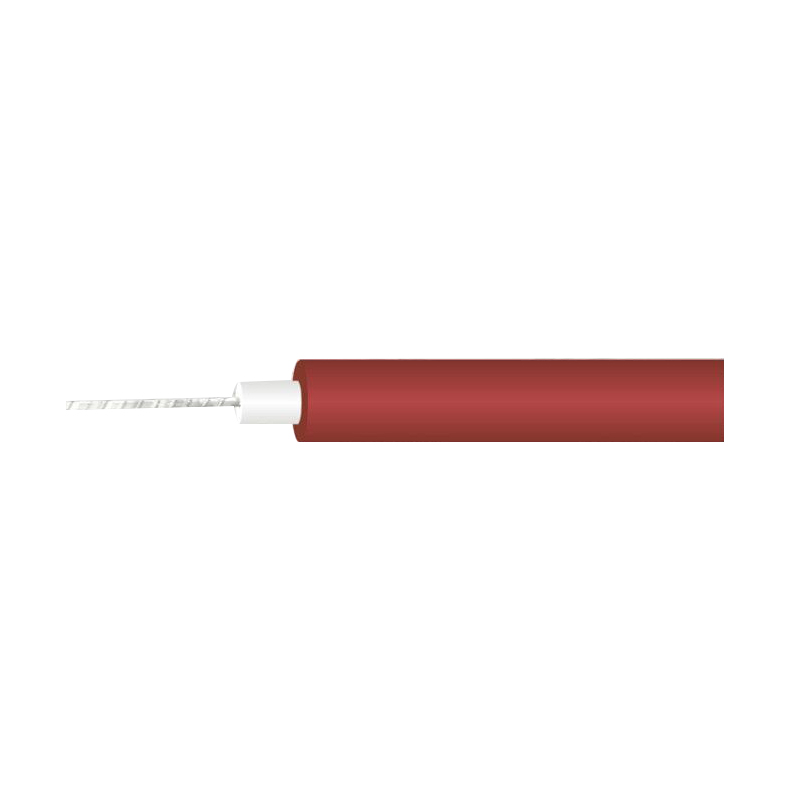
Self-regulating silicone heating cables incorporate conductive polymer cores that automatically adjust heat output in response to ambient temperature changes. As temperatures decrease, the polymer matrix contracts, creating more conductive pathways and increasing heat generation. Conversely, rising temperatures cause polymer expansion, reducing conductivity and heat output. This intelligent thermal response eliminates the risk of overheating and burnout, even when cables overlap or insulation covers portions of the installation. Self-regulating variants offer superior energy efficiency and simplified installation but typically operate at lower maximum temperatures compared to constant wattage alternatives.
Mineral Insulated Heating Cables
Premium applications requiring extreme temperature resistance or operation in hazardous environments utilize mineral insulated silicone heating cables. These robust systems feature resistance heating elements surrounded by compressed magnesium oxide powder insulation, all contained within a metallic sheath, and finally covered with silicone jacketing for additional protection. The mineral insulation provides exceptional dielectric strength, thermal conductivity, and resistance to radiation, making these cables suitable for nuclear facilities, high-temperature industrial processes, and applications requiring stringent safety certifications.
Primary Applications and Use Cases
Silicone heating cables serve critical functions across numerous industrial, commercial, and specialized residential applications where reliable thermal management directly impacts operational efficiency, product quality, or safety compliance.
- Freeze protection for water supply lines, drainage systems, and process piping in cold climates or unheated spaces where conventional insulation alone proves insufficient
- Viscosity control for fuel oil, hydraulic fluids, adhesives, and chemical products requiring maintained fluidity during storage or transfer operations
- Process temperature maintenance in food manufacturing, pharmaceutical production, and chemical processing where precise thermal control affects product quality and safety
- Snow melting and ice prevention on roofs, gutters, walkways, and critical infrastructure where ice accumulation presents safety hazards or operational challenges
- Tank and vessel heating for maintaining storage temperature of temperature-sensitive materials including chemicals, petroleum products, and water treatment solutions
- Medical and laboratory equipment heating where sterility, chemical resistance, and precise temperature control are mandatory requirements
Selection Criteria for Optimal Performance
Choosing the appropriate silicone heating cable requires systematic evaluation of multiple technical parameters and environmental factors that influence long-term performance and reliability. Proper selection ensures adequate heating capacity, safety compliance, and cost-effective operation throughout the system's service life.
Heat Loss Calculation and Power Requirements
Accurate determination of heat loss from the object or space requiring heating forms the foundation of proper cable selection. Heat loss calculations must account for surface area, insulation thickness and quality, temperature differential between the heated object and ambient environment, wind exposure for outdoor installations, and any special thermal loads from evaporation or chemical reactions. Professional engineering calculations or manufacturer-provided software tools help determine the required watts per meter of heating cable needed to maintain target temperatures under worst-case conditions. Conservative design practices recommend adding a safety factor of ten to twenty percent to calculated requirements to accommodate unexpected conditions or future modifications.
Voltage and Power Supply Considerations
Silicone heating cables are manufactured for various voltage ratings including low voltage options at twelve, twenty-four, or forty-eight volts for safe operation in wet environments or explosive atmospheres, and standard voltage variants at one hundred twenty or two hundred forty volts for conventional industrial and commercial applications. Low voltage systems require larger conductor sizes and more substantial power supplies but offer enhanced safety in hazardous locations. Higher voltage systems provide more efficient power distribution over longer cable runs but demand stricter electrical safety measures and qualified installation. The available electrical infrastructure, local electrical codes, and safety requirements dictate appropriate voltage selection.
Temperature Rating and Environmental Factors
The maximum exposure temperature that the silicone heating cable must withstand determines the required temperature rating of both the heating element and insulation materials. Standard silicone insulation typically handles continuous exposure to one hundred eighty degrees Celsius, while premium formulations extend this capability to two hundred fifty degrees Celsius or higher. Environmental considerations including chemical exposure, UV radiation, moisture ingress, and mechanical abrasion also influence material selection. Applications involving oils, solvents, or corrosive chemicals require verification of chemical compatibility to prevent premature degradation of silicone insulation.
Installation Guidelines and Best Practices
Proper installation of silicone heating cables directly impacts system performance, energy efficiency, and operational longevity. Following manufacturer guidelines and industry best practices ensures safe operation and optimal heat transfer while minimizing the risk of damage during installation or subsequent operation.
Surface Preparation and Cable Placement
The surface receiving the heating cable must be clean, dry, and free from sharp edges, burrs, or protrusions that could damage the silicone insulation. Pipe surfaces should be thoroughly cleaned to remove rust, scale, old insulation, or contaminants that impede thermal contact. For optimal heat transfer, the cable should maintain direct contact with the heated surface along its entire length. Straight runs provide the most efficient heating, though the flexibility of silicone cables permits gentle curves and routing around obstacles. Spiral wrapping delivers more uniform temperature distribution for pipes but requires longer cable lengths and more complex installation.
Securing and Protecting the Cable
Heating cables must be securely fastened to prevent movement, sagging, or displacement during operation or maintenance activities. Aluminum tape provides excellent thermal contact and securing method for pipe applications, while specialized adhesives or cable ties serve for flat surfaces or complex geometries. Fastening intervals should not exceed twelve inches for straight runs, with closer spacing around bends or areas subject to vibration. After cable installation, thermal insulation should completely cover both the heated surface and cable to minimize heat loss and improve energy efficiency. The insulation must be rated for temperatures exceeding the maximum surface temperature the heating cable will produce.
Control Systems and Temperature Management
Effective temperature control maximizes energy efficiency, prevents overheating damage, and ensures the heating system maintains target temperatures under varying ambient conditions. Modern control solutions range from simple thermostats to sophisticated programmable controllers with remote monitoring capabilities.
| Control Type | Temperature Accuracy | Key Features | Best Applications |
| Basic Thermostat | ±3-5°C | Simple on/off control | Freeze protection, basic heating |
| Digital Controller | ±1-2°C | Programmable, multi-zone | Process heating, precision control |
| PID Controller | ±0.5°C | Proportional control, minimal overshoot | Critical processes, tight tolerances |
| Smart System | ±0.5°C | Remote monitoring, data logging, alerts | Mission-critical, large installations |
Sensor Placement and Configuration
Temperature sensor location significantly impacts control accuracy and system response. For pipe freeze protection, sensors should be mounted on the pipe surface beneath the insulation, positioned at the coldest expected location or at regular intervals for long runs. Process heating applications may require multiple sensors to monitor both surface temperature and product temperature, with control logic responding to the most critical measurement. Ambient temperature sensors enable outdoor heating systems to activate only when environmental conditions warrant operation, reducing energy consumption during mild weather periods.
Maintenance and Troubleshooting
Regular maintenance extends silicone heating cable service life and ensures reliable operation when heating is needed. Preventive inspection programs identify developing issues before they cause system failures or safety hazards.
- Visual inspection of cable insulation for cuts, abrasions, chemical damage, or deterioration caused by UV exposure or thermal cycling
- Insulation resistance testing using a megohmmeter to verify electrical isolation between heating element and ground remains within acceptable limits
- Continuity testing to confirm heating element integrity and identify open circuits or high resistance connections
- Thermal inspection using infrared cameras to detect hot spots, cold zones, or uneven temperature distribution indicating cable damage or poor contact
- Control system verification including thermostat calibration, sensor accuracy testing, and power supply voltage measurement
Common Problems and Solutions
When heating cables fail to perform as expected, systematic troubleshooting identifies root causes and guides corrective actions. Insufficient heating often results from undersized cable selection, excessive heat loss through inadequate insulation, thermostat misadjustment, or voltage drop in long cable runs. Measuring actual power consumption and comparing it to design specifications helps diagnose capacity issues. Excessive energy consumption may indicate thermostat failure in the on position, damaged cable with reduced resistance, or control sensor placement in locations not representative of actual heating requirements. Ground fault circuit interrupter tripping suggests moisture ingress into electrical connections or insulation breakdown requiring cable replacement.
Safety Considerations and Code Compliance
Electrical heating systems must comply with applicable electrical codes, safety standards, and manufacturer specifications to prevent fire hazards, electrical shock, and property damage. National and local electrical codes mandate specific installation requirements for heating cables including proper circuit protection, grounding, and disconnecting means. Ground fault circuit interrupter protection is typically required for all heating cable circuits to detect and interrupt ground faults before dangerous currents flow. All electrical connections must be made in approved junction boxes with properly rated terminals and strain relief to prevent wire damage from vibration or thermal expansion.
Hazardous location installations require heating cables with appropriate certifications for the specific hazard classification. Explosive atmospheres demand intrinsically safe designs or explosion-proof enclosures for all electrical components. Chemical processing facilities may require additional protective measures including chemical-resistant jacketing, sealed terminations, and frequent inspection protocols. Professional installation by qualified electricians familiar with heating cable systems and applicable codes ensures safe, compliant operation while providing documentation needed for insurance coverage and regulatory approval. The long-term reliability and safety of silicone heating cable systems depends on proper design, quality installation, appropriate control systems, and regular maintenance performed according to manufacturer recommendations and industry best practices.