English
 عربى
عربى Español

Content
Choosing between single core and multi core cable is one of the most fundamental decisions in any electrical installation, yet it is often made without fully understanding how the construction differences translate into real performance outcomes. Both cable types carry electrical current safely when installed correctly, but they differ significantly in how they handle heat, how flexible they are during installation, and which applications they are actually rated and designed for. Getting this choice wrong does not just waste money, it can create overheating risks, voltage drop problems, and unnecessary installation labor.
Construction Differences Between Single Core and Multi Core Cables
The defining difference between these two cable types lies in how many conductors are housed within a single outer sheath, and this structural distinction drives nearly every other performance characteristic discussed throughout this guide.
Single Core Cable Construction
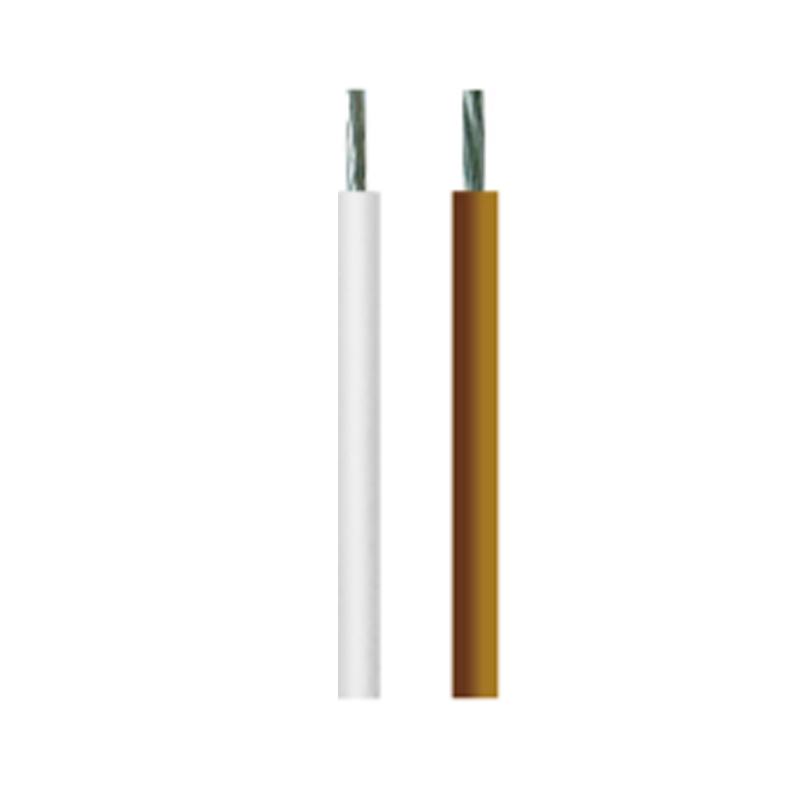
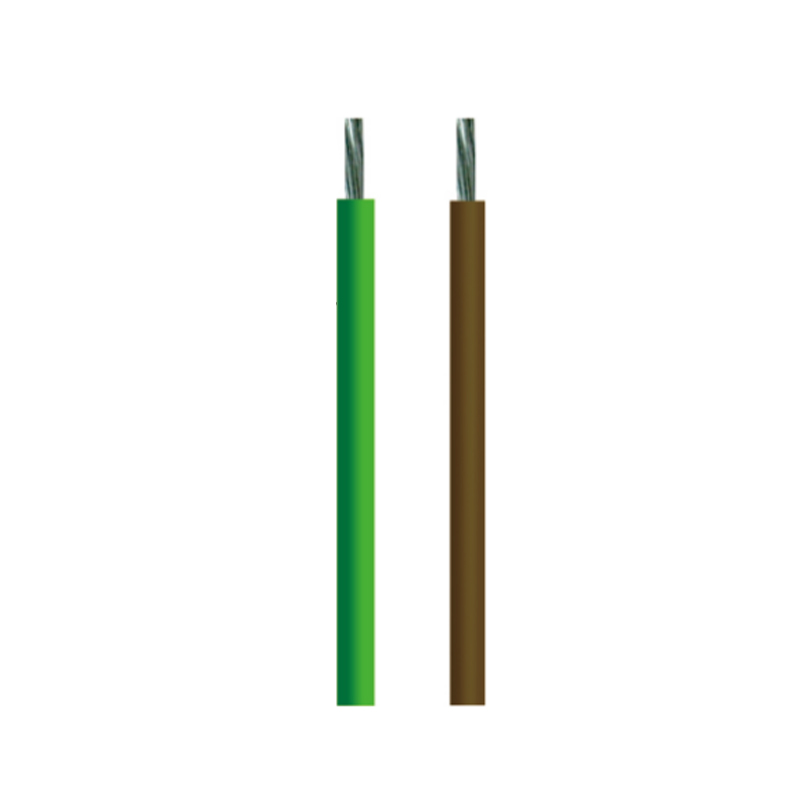
Single core cable contains exactly one conductor, typically made of solid or stranded copper or aluminum, surrounded by insulation and often a protective outer sheath. Because there is only one conductor per cable, completing a standard circuit requires running multiple single core cables side by side, one for each phase, neutral, and earth conductor as needed. This construction allows each conductor to dissipate heat independently into the surrounding air, since there are no adjacent conductors generating heat within the same sheath. Single core cables are also generally easier to manufacture in larger cross-sectional areas, making them common in high-current applications.
Multi Core Cable Construction
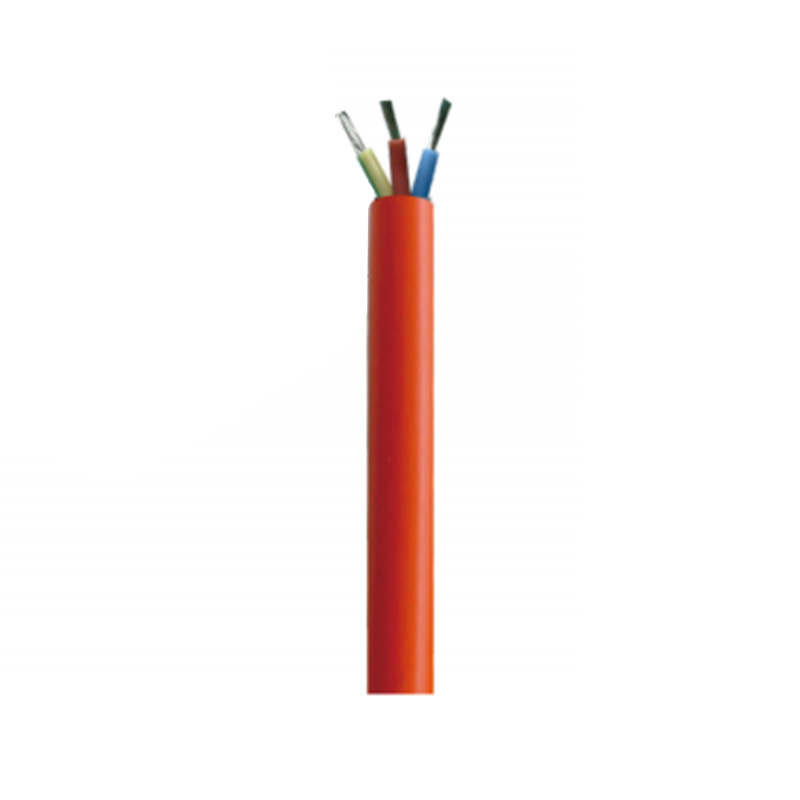
Multi core cable bundles two or more insulated conductors within a single outer sheath, commonly seen in configurations such as 2-core, 3-core, 4-core, or higher conductor counts depending on the application. This design allows a complete circuit, including phase, neutral, and sometimes earth conductors, to be installed as one unified cable rather than several separate runs. The trade-off is that conductors packed closely together generate heat in close proximity to one another, which affects the cable's current-carrying capacity compared to an equivalent single core conductor installed in free air.
Comparing Electrical Performance
Electrical performance is where the practical consequences of construction differences become most apparent, particularly in terms of current capacity and heat management.
| Performance Factor | Single Core Cable | Multi Core Cable |
| Heat Dissipation | Better, independent cooling | Reduced, conductors share heat |
| Current Carrying Capacity | Higher for same cross-section | Slightly derated due to grouping |
| Voltage Drop Over Distance | Lower with larger conductors | Comparable at standard lengths |
| Electromagnetic Balance | Requires careful conductor spacing | Naturally balanced, conductors bundled |
The reduced current rating of multi core cable compared to an equivalent single core conductor is a well-documented derating effect caused by mutual heating between adjacent conductors. This is why high-current industrial feeders, such as those supplying large motors or main switchboards, are frequently run as single core cables even though it means installing three or four separate cables instead of one combined cable. Multi core cable, on the other hand, naturally balances the electromagnetic field generated by its conductors since they are positioned symmetrically within the same sheath, which reduces induced currents in nearby metalwork, a benefit that single core installations must achieve through careful trefoil or spaced arrangement.
Flexibility, Installation, and Handling
Installation practicality often weighs as heavily as electrical performance when choosing between these cable types, particularly on projects with tight schedules or complex routing requirements.
Multi core cable offers a clear installation advantage in most low to medium voltage applications because a single cable run delivers the complete circuit, reducing the number of individual cables that need to be pulled through conduit, cable trays, or trunking. This translates directly into reduced labor time, fewer termination points, and simpler cable management, especially in residential and commercial wiring where conductor counts are modest. Single core cable installation, by contrast, requires careful planning to ensure conductors are grouped or spaced correctly, since incorrect grouping can lead to unbalanced electromagnetic fields and localized heating in nearby metal structures.
However, single core cables become the more practical option once conductor sizes grow very large, since an oversized multi core cable bundling several large conductors becomes extremely heavy, stiff, and difficult to bend around corners or through restricted spaces. In large industrial installations carrying very high current, individual single core cables, despite requiring more of them, are often easier to physically handle and route than one enormous multi core equivalent.
Cost and Material Considerations
Material and labor costs do not always move in the same direction, which is why total installed cost requires looking beyond the price of the cable itself.
- Multi core cable generally reduces installation labor since fewer cable pulls and terminations are required, which can offset a higher per-meter material cost on smaller projects.
- Single core cable often costs less per conductor in raw material terms, particularly at large cross-sectional sizes, but the need to install multiple separate cables increases labor hours and the amount of supporting infrastructure such as cable trays or conduit capacity.
- Multi core cable typically requires a single, larger conduit or tray space allowance calculated for the whole bundle, whereas single core cable groupings may need wider spacing to avoid the derating effects mentioned earlier, increasing the footprint required for routing.
- Long-distance, high-current transmission projects tend to favor single core cable despite higher labor costs, since the superior heat dissipation allows for a smaller overall conductor size to carry the same current, which can reduce material costs on copper or aluminum that would otherwise be significant at scale.
Common Applications for Each Cable Type
Industry practice has settled into fairly consistent patterns for where each cable type tends to perform best, based on decades of installation experience across different sectors.
Where Single Core Cables Are Preferred
Single core cables dominate in high-voltage power transmission, large industrial motor feeders, substation interconnections, and any application where conductor sizes exceed what can be practically bundled into a flexible multi core sheath. They are also preferred in installations where individual phase conductors need to be routed through separate conduits for electromagnetic interference management, such as sensitive instrumentation environments near large power equipment.
Where Multi Core Cables Are Preferred
Multi core cables are the standard choice for residential wiring, commercial lighting and power circuits, control and instrumentation wiring, and most low to medium voltage applications where conductor sizes remain moderate. Their all-in-one construction makes them especially practical for control panels and automation systems, where dozens of small signal conductors need to be routed together without the labor burden of running each one separately.
Choosing Between Single Core and Multi Core for Your Project
The decision ultimately depends on the current load involved, the installation environment, and how much labor flexibility the project allows. For standard building wiring, control circuits, and most commercial or residential applications, multi core cable is almost always the more practical and cost-effective choice due to faster installation and simpler routing. For high-current industrial feeders, large motor connections, or long-distance power transmission, single core cable's superior heat dissipation and current-carrying capacity at large conductor sizes typically justify the added installation complexity. Reviewing the specific current rating tables provided by cable manufacturers for both cable types, rather than relying on general assumptions, remains the most reliable way to confirm the correct choice for any given circuit design.