English
 عربى
عربى Español
Content
What Is Insulated Wire
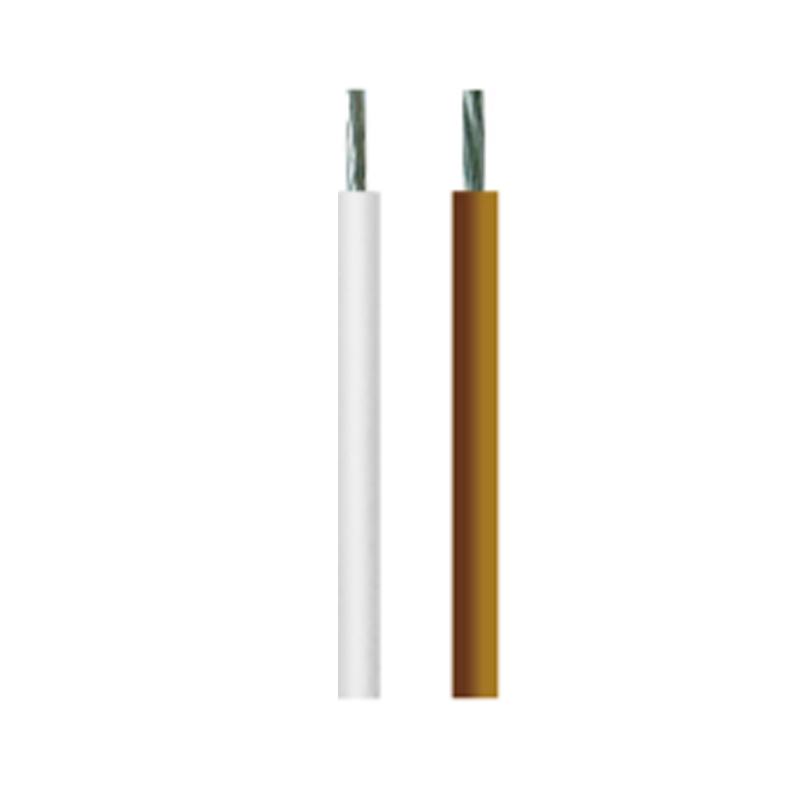
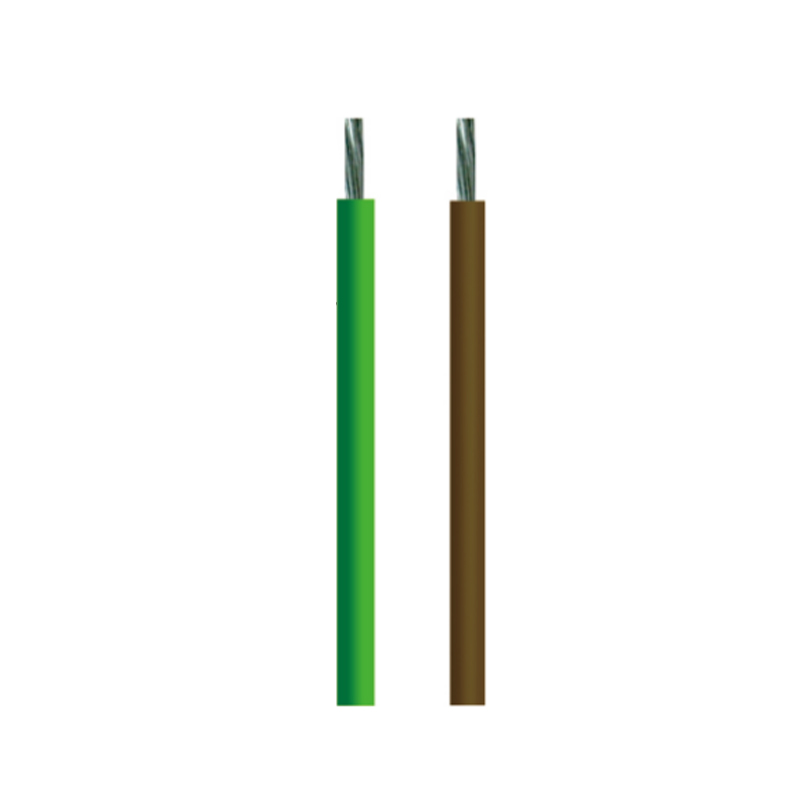
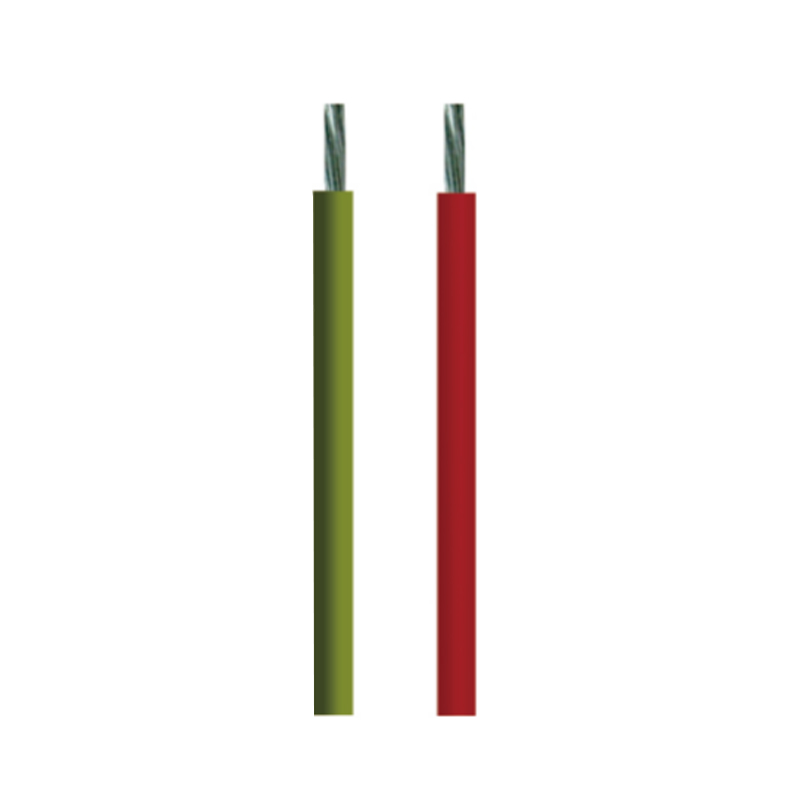
Insulated wire is an electrical conductor, typically made of copper or aluminum, that is coated with a non-conductive material to prevent unintended current flow, electrical shock, and short circuits. The insulation layer serves as a protective barrier between the conductor and its surrounding environment, allowing electricity to travel safely along its intended path while shielding people, equipment, and structures from direct contact with live conductive material. This basic yet essential design makes insulated wire a foundational component in virtually every electrical and electronic system in use today.
From residential wiring behind drywall to complex industrial control panels and automotive harnesses, insulated wire is engineered to meet specific performance requirements based on voltage, temperature, environmental exposure, and mechanical stress. Selecting the correct type is not simply a matter of connecting two points electrically, but ensuring the wire can safely and reliably perform under the conditions it will face throughout its service life.
How Insulated Wire Is Constructed
The basic structure of insulated wire consists of two primary components: the conductor and the insulation. The conductor, usually made from solid or stranded copper due to its excellent conductivity, carries the electrical current. Aluminum conductors are also used in certain applications, particularly where weight and cost savings are priorities, though they generally require larger cross-sectional areas to match copper's current-carrying capacity.
The insulation layer is extruded or applied around the conductor in a controlled manufacturing process, forming a continuous, uniform coating along the wire's entire length. In many applications, an additional outer jacket is added over the primary insulation to provide extra mechanical protection, moisture resistance, or fire retardance, particularly in cables containing multiple insulated conductors bundled together.
Common Insulation Materials and Their Properties
The material used for insulation significantly affects the wire's temperature rating, flexibility, chemical resistance, and overall suitability for a given application. The table below summarizes commonly used insulation materials and their typical characteristics.

Insulation MaterialKey PropertyTypical UsePVC (Polyvinyl Chloride)Cost-effective, moderate flexibilityGeneral building wiringXLPE (Cross-Linked Polyethylene)High temperature and chemical resistancePower distribution cablesPTFE (Polytetrafluoroethylene)Excellent heat resistance, low frictionAerospace, high-temperature equipmentRubberHigh flexibility, good abrasion resistancePortable cords, welding cablesSiliconeExtreme temperature toleranceIndustrial ovens, outdoor lighting
Understanding these material differences helps engineers and installers select wire that will perform reliably under the specific thermal and environmental conditions of a given project.
Key Factors to Consider When Selecting Insulated Wire
Voltage and Current Rating
Every insulated wire is rated for a maximum voltage and current-carrying capacity, and exceeding these limits can cause overheating, insulation breakdown, or fire hazards. Matching wire gauge and insulation type to the actual electrical load of the circuit is one of the most fundamental steps in safe wire selection.
Temperature Rating
Insulation materials are rated for specific temperature ranges, both in terms of ambient operating conditions and the heat generated by the current flowing through the conductor. Using wire with an insulation rating below the actual operating temperature can lead to premature insulation degradation and increased fire risk over time.
Environmental Exposure
Wires installed outdoors, underground, or in chemically harsh environments require insulation specifically designed to resist moisture, UV degradation, oil exposure, or corrosive substances. Choosing standard indoor-rated wire for these conditions can result in rapid insulation failure and unsafe operating conditions.
Common Applications of Insulated Wire
Insulated wire is used across a broad range of settings, each with distinct performance demands:
- Residential and commercial building wiring for lighting, outlets, and appliances
- Automotive wiring harnesses that must withstand vibration, heat, and fluid exposure
- Industrial machinery and control panels requiring durable, flexible connections
- Underground and outdoor power distribution cables exposed to moisture and soil contact
- Consumer electronics and appliance internal wiring requiring compact, flexible insulation
Each application places different demands on insulation performance, reinforcing why a single wire type cannot serve every purpose across these varied environments.
Installation Best Practices
Proper installation is just as important as selecting the correct wire type. Avoiding sharp bends that exceed the minimum bend radius specified by the manufacturer helps prevent insulation cracking or conductor damage over time. Wires should also be adequately supported and secured to prevent excessive strain on connection points, which can loosen terminals and create resistance-related heating at junctions.
When routing wires near heat sources, sharp edges, or areas of frequent movement, additional protective measures such as conduit, sleeving, or strain relief fittings should be used to extend the wire's service life and maintain consistent electrical performance.
Signs of Wire Insulation Damage
Recognizing early signs of insulation deterioration can prevent more serious electrical failures. Common warning signs include visible cracking, discoloration, or brittleness in the insulation material, as well as a burning smell near outlets or panels, which may indicate overheating due to insulation breakdown. Flickering lights, frequently tripped breakers, or warm-to-the-touch outlets can also point to underlying wire insulation issues that require prompt inspection by a qualified electrician.
Addressing these warning signs early, rather than waiting for a complete failure, helps prevent electrical fires and costly equipment damage while ensuring continued safe operation of the affected system.