English
 عربى
عربى Español
Content
- 1 Understanding PVC Insulation Composition and Material Properties
- 2 Manufacturing Standards and Quality Control Requirements
- 3 International Standards and Regulatory Compliance
- 4 Performance Testing and Safety Validation
- 5 Selection Criteria and Application Considerations
- 6 Installation Best Practices and Maintenance Considerations
PVC insulated wires represent fundamental components in electrical installations worldwide, providing reliable conductor protection and electrical safety across residential, commercial, and industrial applications. The thermoplastic polyvinyl chloride insulation combines cost-effectiveness with proven performance characteristics enabling widespread adoption from household wiring through industrial power distribution systems. Understanding the material properties, construction standards, safety requirements, and selection criteria for PVC insulated wires enables electricians, contractors, and procurement professionals to specify products ensuring electrical safety, operational reliability, and regulatory compliance. This comprehensive guide explores every dimension of PVC insulated wires, from fundamental material composition and manufacturing processes through critical performance standards, application considerations, safety testing requirements, proper installation practices, and strategic selection criteria enabling businesses and individuals to deploy electrical systems delivering years of safe, dependable operation.
Understanding PVC Insulation Composition and Material Properties
Polyvinyl chloride (PVC) represents a thermoplastic polymer synthesized through polymerization of vinyl chloride monomers, creating a versatile material combining electrical insulation properties with mechanical durability. The formulation for electrical insulation incorporates specialized plasticizers enabling flexibility at normal operating temperatures while maintaining rigidity essential for mechanical protection. Stabilizers prevent thermal degradation during manufacturing and service, enabling operational reliability across extended temperature ranges. Flame retardants incorporated into most electrical-grade PVC formulations reduce fire propagation risk, limiting flame spread along wire runs and reducing hazard severity in fire events.
The electrical properties of PVC insulation include dielectric strength typically ranging from 15-20 megavolts per meter, providing robust protection against electrical breakdown and short circuits between conductors. The volume resistivity exceeds 10^15 ohm-centimeters, preventing current leakage through insulation even under humid conditions. These exceptional electrical properties distinguish PVC from inferior alternatives, providing reliable protection throughout the wire's operational life. The material's thermal properties including a melting point near 80°C for normal PVC formulations establish temperature limits defining safe operating conditions and installation environments.
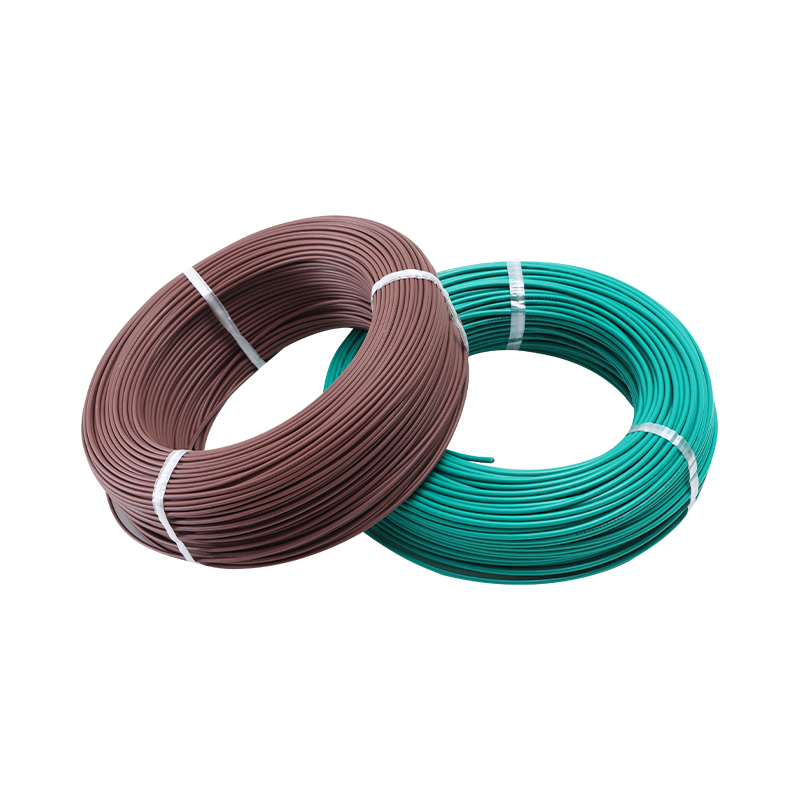
Mechanical properties of PVC insulation including tensile strength and elongation at break ensure that insulation withstands mechanical stresses from wire installation, flexing, and normal handling without cracking or degradation. Quality electrical-grade PVC maintains flexibility at low temperatures preventing brittleness during cold-weather installation or operation in refrigerated environments. The abrasion resistance enables survival of normal wear from contact with installation materials or mechanical flexing without insulation failure. These balanced mechanical properties distinguish quality PVC from cheaper alternatives prone to cracking or degradation under normal service conditions.
Manufacturing Standards and Quality Control Requirements
PVC insulated wires are manufactured through extrusion processes applying molten PVC over copper or aluminum conductor strands at precisely controlled temperatures and pressures. The conductor preparation including cleaning and tinning improves adhesion between copper and insulation, preventing separation that could compromise electrical properties. The extrusion temperatures must carefully balance fluidity enabling uniform coating application with thermal stability preventing material degradation. Temperature monitoring throughout the process ensures consistent insulation properties, detecting deviations requiring process adjustment before defective product is produced.
Insulation thickness represents a critical specification directly influencing electrical safety and mechanical durability. Voltage rating determines minimum thickness requirements ensuring adequate electrical protection, with higher voltage applications demanding thicker insulation preventing potential breakdown. Thickness measurement during production confirms compliance with specifications, with automated monitoring systems detecting variations requiring line adjustment. Post-extrusion cooling controls crystal formation and material properties, with precise cooling rates essential for consistent electrical and mechanical characteristics. Quality inspection including dimensional measurement and visual examination eliminates defective products before shipment.
Raw material quality control begins with PVC resin evaluation, verifying that polymers meet specifications for purity and processing characteristics. Additives including plasticizers and stabilizers undergo supplier qualification ensuring consistent performance. Incoming material testing validates that components meet required standards before incorporation into production. This rigorous material control establishes foundation for consistent final product quality meeting demanding electrical and safety requirements.
International Standards and Regulatory Compliance
Multiple international standards establish minimum performance requirements and safety specifications for PVC insulated wires, ensuring that products worldwide meet consistent safety criteria. IEC 60227 represents the primary international standard specifying general technical specifications, performance requirements, and test methods for PVC insulated cables and wires. BS 6004 provides equivalent British standard, while IEEE 1119 establishes American standards for power cable insulation. Compliance with established standards provides assurance that products meet rigorous safety and performance expectations worldwide.
Voltage rating classifications establish safe operating limits for specific wire applications, with typical classifications including 300V for household use, 600V for industrial equipment, and higher ratings for specialized applications. The voltage rating designates maximum electrical potential between conductors or conductor and ground, with exceeding ratings risking electrical breakdown and dangerous fault conditions. Selection of appropriately rated wire ensures that insulation provides adequate protection for specific applications preventing electrical hazards and equipment damage.
Fire safety standards including flame spread ratings and smoke generation limits establish material performance characteristics essential for safe installations. UL 1581 specifies test procedures for burning characteristics, with results establishing whether materials meet flammability requirements for specific installation environments. National Electrical Code (NEC) and similar international electrical codes mandate fire-safety compliance for building electrical installations, with substandard products creating unacceptable fire hazard risks. Investment in standards-compliant products eliminates fire safety liability risks justifying modest cost premiums compared to potentially defective alternatives.
| Wire Type | Voltage Rating | Typical Application | Temperature Range |
| Household Wire | 300V | Residential wiring | -5°C to +60°C |
| Industrial Wire | 600V | Commercial/industrial | -10°C to +70°C |
| High-Temp Wire | 600V | Heat exposure areas | -10°C to +90°C |
| Low-Temp Wire | 300-600V | Cold storage/outdoor | -40°C to +60°C |
Performance Testing and Safety Validation
Comprehensive testing protocols validate that PVC insulated wires meet performance specifications before installation in critical applications. High-voltage withstand testing applies voltage above normal operating levels to insulation, confirming absence of breakdown or defects. Dielectric breakdown testing establishes actual failure voltage, providing verification that materials exceed minimum standards with adequate safety margins. Insulation resistance testing detects moisture absorption or contamination compromising electrical properties, predicting long-term reliability under operational conditions.
Tensile strength and elongation testing validate mechanical properties ensuring that insulation withstands installation stresses without cracking. Flexibility testing at low temperatures confirms that materials remain workable during cold-weather installation without becoming brittle. Flame propagation testing establishes burning characteristics, confirming compliance with fire safety requirements essential for building installations. Aging tests simulate years of thermal exposure, predicting how materials will perform after decades in service without requiring actual long-term observation.
Chemical resistance testing validates that insulation resists degradation from exposure to oils, solvents, or other substances commonly encountered in industrial environments. UV stability testing confirms that outdoor installations maintain properties despite years of solar radiation exposure. These comprehensive testing protocols provide objective validation of product quality, enabling specification of materials meeting rigorous performance expectations throughout extended operational lifespans.
Selection Criteria and Application Considerations
Voltage rating selection represents the primary specification decision, with applications requiring wires rated for voltage levels equal to or exceeding actual system voltages. Household installations typically employ 300V rated wire, while industrial equipment often requires 600V wire providing superior protection. High-voltage applications exceeding 600V demand specialized wire constructions with thicker insulation and enhanced electrical properties. Undersizing voltage ratings risks electrical breakdown and dangerous fault conditions that could damage equipment or injure personnel.
Current-carrying capacity (ampacity) determines wire gauge requirements, with thicker conductors accommodating higher currents without excessive heat generation. Tables in electrical codes establish ampacity ratings for different wire sizes and insulation types at specified environmental temperatures. Undersizing wire gauges creates fire hazard from excessive heat generation during normal operation, while oversizing increases material costs without performance benefit. Proper selection balances safety requirements with economic efficiency ensuring cost-effective installations.
Environmental conditions including temperature exposure, moisture, and chemical contact influence material selection. Outdoor installations require UV-resistant variants protecting against solar degradation. Wet locations demand enhanced moisture resistance preventing water ingress. Chemical environments including oil exposure require specialized formulations resisting chemical attack. Proper material selection reflecting specific environmental exposure ensures optimal long-term performance and reliable operation throughout the installation's intended life.
Critical Selection Factors
- Voltage rating matching or exceeding actual system voltages
- Wire gauge appropriate for current-carrying requirements
- Temperature rating suitable for installation and operational environments
- Environmental resistance including moisture, chemicals, or UV exposure
- Standards compliance confirming fire safety and electrical safety
- Manufacturer reputation and third-party testing verification
Installation Best Practices and Maintenance Considerations
Proper installation begins with route planning avoiding sharp bends that could damage insulation or exceed minimum bend radius specifications. Support spacing prevents unsupported wire sections sagging under gravity, creating stress points that could damage insulation. Cable trays and conduit protection shields wires from physical damage, UV exposure, or chemical contact. Proper termination techniques ensuring secure connections and adequate contact surfaces prevent resistance buildup generating excessive heat. Thermal management through adequate spacing prevents adjacent wires from raising local temperatures reducing ampacity ratings or creating fire hazards.
Visual inspection during installation detects surface defects indicating manufacturing problems or transportation damage. Insulation damage including cuts, gouges, or cracks must be addressed through appropriate repair or wire replacement preventing electrical hazards. Connection verification ensures proper contact and secure attachment preventing loose connections generating heat and creating fire risk. Documentation recording installation details and connections enables troubleshooting during maintenance and ensures accurate records for safety inspections.
Ongoing maintenance including periodic inspection detects degradation from age, environmental exposure, or mechanical damage requiring attention. Thermal imaging identifies hot spots indicating excessive current or connection problems requiring correction. Insulation resistance testing detects moisture accumulation or contamination predicting future failures enabling preventive intervention. Professional maintenance by qualified electricians ensures that installations remain safe and reliable throughout their intended service lives.
PVC insulated wires represent essential infrastructure components enabling safe electrical distribution across residential, commercial, and industrial installations. Proper selection reflecting application requirements, environmental conditions, and safety standards ensures that installations deliver years of safe, reliable operation. For electricians, contractors, and facility managers committed to safety and reliability, quality PVC insulated wires meeting rigorous standards provide the foundation for electrical systems protecting personnel and equipment throughout extended operational lifespans.