English
 عربى
عربى Español
Content
What Insulated Wire Is and Why Insulation Matters
Insulated wire consists of a conductive core, typically copper or aluminum, surrounded by a non-conductive material designed to prevent electrical current from escaping the wire and causing shock, fire, or short circuits. The insulation layer also protects the conductor from moisture, abrasion, chemical exposure, and physical damage, all of which can degrade performance or create safety hazards over time. Choosing the right insulated wire is not simply a matter of picking the correct gauge, since insulation type, temperature rating, and environmental suitability all play a significant role in whether a wire will perform safely and reliably in its intended application.
Using the wrong insulation type can lead to premature failure, particularly in environments involving heat, moisture, sunlight, or chemical exposure. Understanding the available insulation materials and how they perform under different conditions is essential for anyone specifying wire for residential, commercial, or industrial projects.
Common Insulation Materials and Their Properties
Wire insulation is made from a range of polymer materials, each offering a different balance of flexibility, heat resistance, and durability. Selecting the right material depends heavily on where and how the wire will be installed.
| Insulation Material | Temperature Rating | Typical Applications |
| PVC (Polyvinyl Chloride) | Up to 105°C | General residential and commercial wiring |
| THHN/THWN Nylon-PVC | Up to 90°C | Conduit wiring in dry and wet locations |
| XLPE (Cross-Linked Polyethylene) | Up to 90°C, higher under emergency conditions | Underground, high-voltage, and industrial power distribution |
| Silicone Rubber | Up to 200°C | High-heat industrial equipment, appliances, lighting fixtures |
| Teflon (PTFE) | Up to 260°C | Aerospace, high-temperature industrial, chemical-resistant applications |
Why PVC Remains the Most Common Choice
PVC insulation dominates general-purpose wiring because it offers a practical balance of cost, flexibility, and adequate performance for most residential and commercial applications. It resists moisture reasonably well and holds up under normal handling, making it suitable for wiring inside walls, conduit, and standard electrical panels. However, PVC becomes brittle in extremely cold temperatures and is not well suited for applications involving sustained high heat, which is why alternative materials are used in more demanding environments.
When High-Temperature Insulation Becomes Necessary
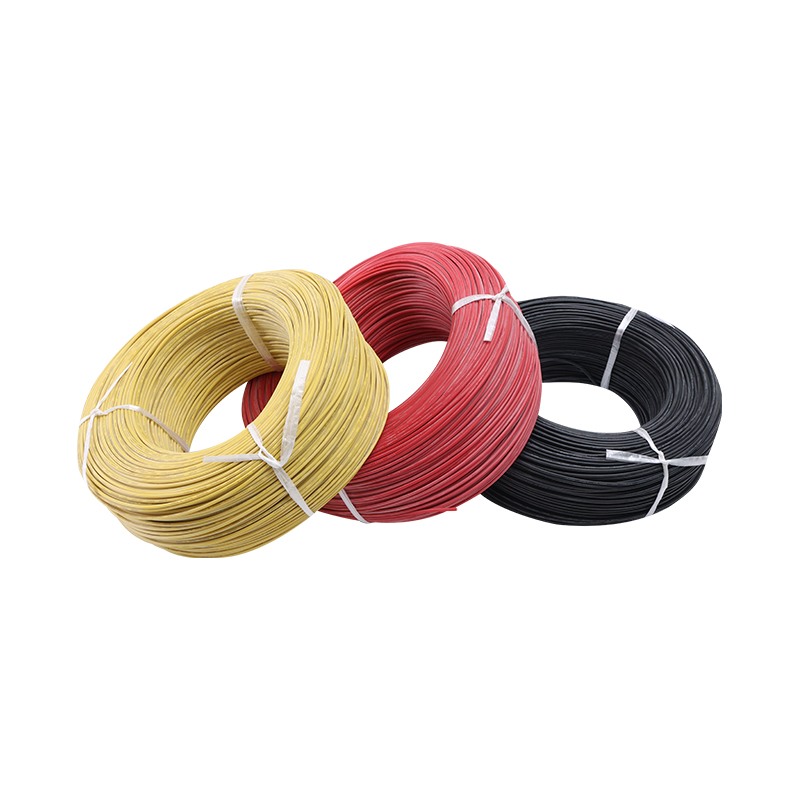
Certain applications, such as wiring near industrial ovens, motors, or lighting fixtures that generate significant heat, require insulation materials rated for much higher continuous temperatures than standard PVC can handle. Silicone rubber and Teflon insulation are common choices in these settings, since both maintain flexibility and electrical integrity even under sustained thermal stress that would cause standard insulation to degrade, crack, or fail.
Understanding Wire Gauge and Ampacity
Wire gauge refers to the diameter of the conductor and directly affects how much current the wire can safely carry, a measurement known as ampacity. In the American Wire Gauge system, a smaller number indicates a thicker wire capable of carrying more current, while a larger number indicates a thinner wire with lower current capacity. Selecting a wire gauge that is too small for the intended electrical load can cause the wire to overheat, potentially leading to insulation breakdown or fire risk, which is why gauge selection should always be based on the specific amperage requirements of the circuit rather than guesswork.
Ampacity ratings are also affected by insulation type, since different materials have different maximum operating temperatures that influence how much current can safely flow through a given wire size. This is why the same gauge wire may carry a different ampacity rating depending on whether it uses PVC, XLPE, or another insulation material, and why electrical codes typically specify both wire gauge and insulation type together when defining safe installation requirements.
Matching Wire Type to Installation Environment
Beyond gauge and insulation material, the specific environment where wire will be installed plays a major role in selection. Wiring exposed to moisture, direct burial, or outdoor sunlight requires different protective properties than wiring installed indoors within dry conduit.
- Wet location wiring should carry a "W" rating, such as THWN, indicating suitability for damp or wet environments
- Direct burial wire needs UF-rated insulation designed to resist prolonged moisture and soil contact without degrading
- Outdoor wiring exposed to sunlight requires UV-resistant insulation to prevent cracking and brittleness from prolonged UV exposure
- Wiring in chemical processing facilities may need insulation rated for resistance to specific solvents, oils, or acidic exposure
Verifying Compliance and Safety Ratings
Before purchasing insulated wire for any project, it is important to verify that the product meets applicable safety and code standards, such as those set by Underwriters Laboratories or equivalent regional certification bodies. Wire packaging and product listings typically include markings indicating voltage rating, temperature rating, and applicable certification standards, and these details should always be checked against the specific requirements of local electrical codes before installation.
For larger commercial or industrial projects, consulting with a licensed electrician or electrical engineer before finalizing wire specifications helps ensure that gauge, insulation type, and installation method all align with both safety requirements and the practical demands of the application. Taking the time to match these specifications correctly not only ensures code compliance but also reduces the risk of costly rework or safety incidents after installation is complete.