English
 عربى
عربى Español
Content
- 1 Why Does Motor Lead Wire Material Make Such a Difference in Performance?
- 2 Key Properties of Silicone Rubber Insulation
- 3 Common Applications Across Industries
- 4 How to Select the Right Silicone Rubber Motor Lead Wire
- 5 Installation Best Practices
- 6 Comparing Silicone Rubber to Alternative Insulation Materials
- 7 Quality Standards and Certifications to Look For
Why Does Motor Lead Wire Material Make Such a Difference in Performance?
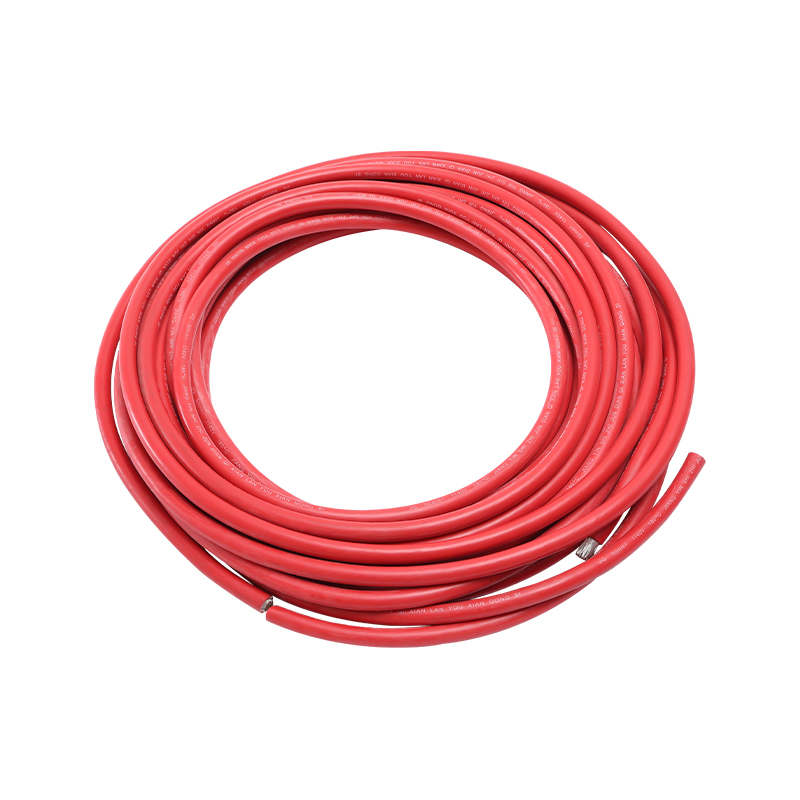
When engineers and technicians evaluate motor wiring, they often focus on conductor size and current capacity. However, the insulation material surrounding those conductors plays an equally critical role in the overall reliability and lifespan of the motor. Silicone rubber motor lead wire has emerged as a preferred solution across a wide range of industries, from industrial automation to electric vehicles, precisely because its insulation properties go far beyond what standard PVC or thermoplastic materials can offer. Understanding why this material matters begins with understanding what motor lead wires actually endure during operation.
Motor lead wires connect the internal windings of a motor to the external power supply or control system. They are exposed to continuous mechanical movement, heat generated by the motor core, vibration, chemical exposure from lubricants and coolants, and sometimes extreme ambient temperatures. A wire that cannot withstand these combined stresses will fail prematurely, leading to costly downtime, safety hazards, and component replacement. Silicone rubber insulation addresses all of these challenges through its unique molecular structure, which remains stable and flexible across an exceptionally wide temperature range.
Key Properties of Silicone Rubber Insulation
Silicone rubber is not a single compound but a family of synthetic elastomers based on a silicon-oxygen backbone rather than the carbon-carbon chains found in organic rubbers. This fundamental structural difference gives silicone rubber its outstanding thermal stability and chemical resistance. For motor lead wire applications, the following properties are especially significant:
- Temperature Range: Silicone rubber motor lead wire typically operates reliably between -60°C and +200°C, with some specialized grades rated to +250°C. This range covers virtually all motor operating environments, including those near furnaces, ovens, or outdoor installations in extreme climates.
- Flexibility at Low Temperatures: Unlike PVC insulation, which becomes brittle and cracks in cold environments, silicone rubber retains its flexibility even at temperatures well below freezing. This makes it ideal for refrigeration compressors and motors used in cold storage facilities.
- Electrical Insulation Properties: Silicone rubber exhibits excellent dielectric strength and high volume resistivity, ensuring reliable electrical isolation even when the insulation is subjected to thermal aging or moisture exposure.
- Chemical Resistance: It resists degradation from oils, greases, ozone, and many industrial solvents, which are commonly present in motor environments.
- UV and Weather Resistance: Silicone rubber does not deteriorate significantly under prolonged ultraviolet exposure, making it suitable for outdoor motor installations.
Common Applications Across Industries
Silicone rubber motor lead wire is used wherever standard wiring materials would fall short. Its application spans multiple sectors, each placing different but equally demanding requirements on the wire.
Industrial Motors and Machinery
In industrial settings, motors drive pumps, compressors, conveyor systems, and machining equipment. These motors often operate continuously in environments with elevated ambient temperatures, exposure to cutting fluids, and significant vibration. Silicone rubber lead wire handles these conditions without the cracking or stiffening that degrades PVC wire over time. The result is reduced maintenance intervals and longer motor service life.
Automotive and Electric Vehicles
Electric vehicle traction motors and hybrid drive systems generate substantial heat during high-load operation. The wiring within and around these motors must withstand both the thermal output of the motor and the thermal cycling that occurs as the vehicle operates, stops, and cools. Silicone rubber insulation is favored in EV applications because it maintains its properties through thousands of thermal cycles without embrittlement or insulation breakdown.
Appliance and HVAC Systems
Household appliances such as washing machines, dryers, and dishwashers incorporate motors that are exposed to moisture, detergents, and elevated temperatures. HVAC compressor motors similarly experience thermal stress combined with refrigerant and oil exposure. Silicone rubber lead wire provides the moisture resistance and temperature tolerance necessary for long-term reliability in these applications.
Aerospace and Defense
Weight-sensitive aerospace applications require wiring that can handle extreme temperature variations encountered at altitude and during engine operation. Silicone rubber motor lead wire meets military and aerospace specifications because of its combination of lightweight construction, high-temperature performance, and reliable electrical insulation over a wide operational range.
How to Select the Right Silicone Rubber Motor Lead Wire
Selecting the correct silicone rubber motor lead wire requires evaluating several technical parameters. A mismatch between wire specifications and application requirements will result in either premature failure or unnecessary cost from over-engineering. The table below summarizes the primary selection criteria:
| Selection Parameter | Typical Options | Guidance |
| Temperature Rating | 150°C, 180°C, 200°C, 250°C | Choose rating at least 20°C above maximum expected operating temperature |
| Conductor Material | Bare copper, tinned copper, nickel-plated copper | Nickel plating for temperatures above 200°C; tinned copper for moisture-prone environments |
| Conductor Stranding | Finely stranded, medium stranded | Finely stranded wire offers superior flexibility for dynamic applications with continuous movement |
| Voltage Rating | 300V, 600V, 1000V, higher | Match to system voltage with appropriate safety margin per local electrical codes |
| Insulation Thickness | Thin wall, standard wall | Thin-wall construction saves space in compact motor designs without sacrificing dielectric performance |
| Flame Resistance | Standard, flame-retardant grades | Flame-retardant silicone required for motors installed in enclosed or fire-sensitive environments |
Installation Best Practices
Even the highest-quality silicone rubber motor lead wire will underperform if it is installed incorrectly. Following proper installation practices ensures the wire achieves its full rated service life.
- Avoid Sharp Bends: Although silicone rubber is flexible, routing the wire around sharp corners with a bend radius smaller than the minimum specified by the manufacturer can cause internal conductor damage over time due to vibration-induced fatigue.
- Secure Against Abrasion: Where the wire passes through metal panels or conduit entries, use grommets or strain relief fittings to prevent the insulation from being abraded by sharp metal edges during motor vibration.
- Keep Away from Hot Surfaces: Although silicone rubber tolerates high temperatures, it should not be routed in direct contact with motor housings or exhaust components that operate at the upper limit of the wire's temperature rating. Provide adequate clearance or use protective sleeving.
- Proper Termination: Use crimp terminals or connectors rated for the same temperature range as the wire. Using standard PVC-rated connectors on high-temperature silicone wire creates a weak point that can fail under thermal stress.
- Labeling and Traceability: In multi-lead motors, color-coded silicone rubber lead wires help technicians correctly identify phase connections, reducing wiring errors during installation or maintenance.
Comparing Silicone Rubber to Alternative Insulation Materials
Understanding how silicone rubber compares to other commonly used insulation materials helps clarify why it is often worth the higher material cost for demanding motor applications.
PVC insulation is the most cost-effective option and performs adequately in low-temperature, low-stress environments. However, it becomes rigid and prone to cracking below 0°C, and its upper temperature limit of approximately 105°C disqualifies it from most motor lead wire applications where heat is significant. Cross-linked polyethylene (XLPE) offers better thermal performance than PVC and is commonly used in power cables, but it lacks the extreme flexibility and cold-temperature performance of silicone rubber. Fluoropolymer insulations such as PTFE provide outstanding chemical and temperature resistance but are significantly more expensive and less flexible than silicone rubber, making them difficult to work with in motor winding applications.
Silicone rubber occupies a practical middle ground: it delivers superior thermal range and flexibility compared to PVC and XLPE, at a cost considerably below fluoropolymer alternatives. For most motor lead wire applications involving temperatures from 150°C to 200°C, silicone rubber represents the optimal balance of performance and value.
Quality Standards and Certifications to Look For
When sourcing silicone rubber motor lead wire, verifying compliance with recognized quality standards ensures the wire will perform as specified and meet regulatory requirements for the intended application. Key standards and certifications include UL 3132 and UL 3512 from Underwriters Laboratories in North America, which cover silicone rubber-insulated appliance wiring material at rated temperatures of 150°C and 200°C respectively. In Europe, the HAR harmonization mark indicates compliance with European safety directives for flexible cables. The RoHS directive compliance is important for products destined for European markets, ensuring that the insulation compound does not contain restricted hazardous substances. For automotive applications, wires conforming to LV 216 or equivalent OEM specifications provide assurance of performance through the thermal cycling and mechanical stress profiles specific to vehicle environments. Always request test reports and certificates from suppliers and verify that the certification applies to the exact product being purchased, not just a similar product range.