English
 عربى
عربى Español
Content
- 1 Why High-Temperature Environments Demand Specialized Cables
- 2 The Material Science Behind Silicone Rubber Insulation
- 3 Key Performance Advantages in High-Temperature Applications
- 4 Common High-Temperature Industries and Use Cases
- 5 Construction and Design Variations
- 6 How to Select the Right Silicone Rubber Cable
- 7 Installation Best Practices for High-Temperature Environments
- 8 Long-Term Reliability and Maintenance Considerations
Why High-Temperature Environments Demand Specialized Cables
In industrial, commercial, and specialized technical settings, cables are frequently exposed to conditions that standard PVC or thermoplastic insulation simply cannot withstand. Furnaces, ovens, automotive engines, aerospace systems, and heavy manufacturing equipment all generate sustained levels of heat that degrade conventional wiring over time—leading to insulation cracking, electrical failure, and serious safety hazards. This is precisely where silicone rubber cables have become indispensable. Engineered specifically to perform under thermal stress, these cables maintain their structural and electrical integrity where others fail. Understanding why silicone rubber is the material of choice in high-temperature environments requires a closer look at its chemistry, behavior under heat, and real-world applications.
The Material Science Behind Silicone Rubber Insulation
Silicone rubber is a synthetic elastomer composed of a silicon-oxygen backbone chain, rather than the carbon-based backbone found in most organic polymers. This fundamental structural difference gives silicone rubber its remarkable thermal stability. The Si-O bond is significantly stronger and more thermally resistant than the C-C bond found in conventional plastics, meaning it retains flexibility and mechanical strength across a much wider temperature range.
Standard silicone rubber cables are rated to operate continuously at temperatures ranging from -60°C to +180°C, with specialized grades capable of withstanding up to +250°C or even higher in short-term exposures. Even at elevated temperatures, the insulation does not melt, drip, or become brittle in the way that PVC does. Instead, it maintains a soft, pliable texture that resists mechanical damage and facilitates easy installation even in tight or complex routing environments.
Beyond thermal performance, the silicone matrix also resists UV radiation, ozone, moisture, and many chemicals—making it a broadly durable material for demanding service conditions beyond just heat.
Key Performance Advantages in High-Temperature Applications
When evaluating cables for high-temperature service, several performance parameters matter. Silicone rubber cables excel across all of these critical dimensions:
- Thermal Endurance: Silicone cables maintain dielectric strength and flexibility over long service lives, even under continuous heat exposure. This reduces the frequency of cable replacement and associated downtime in industrial operations.
- Flame Resistance: High-quality silicone rubber compounds are inherently flame-retardant. When exposed to fire, silicone does not produce toxic halogen gases. Instead, it forms a non-conductive silica ash that can actually help contain electrical faults during a fire event.
- Low Smoke Emission: In fire scenarios, the low smoke and low toxicity properties of silicone are critical in enclosed spaces such as tunnels, ships, hospitals, and public buildings where evacuation safety is paramount.
- Cold Temperature Flexibility: Unlike many heat-resistant materials that become stiff at low temperatures, silicone remains flexible even at -60°C. This dual-range performance is valuable in applications that cycle between extremes.
- Electrical Stability: Silicone rubber maintains consistent dielectric properties across a broad temperature spectrum, ensuring reliable signal and power transmission regardless of ambient conditions.
Common High-Temperature Industries and Use Cases
Silicone rubber cables are deployed across a wide range of industries where heat is an unavoidable operational factor. The following table summarizes the most common sectors and their specific applications:
| Industry | Application | Typical Temperature Range |
| Steel & Metal Processing | Furnace wiring, ladle control systems | Up to +200°C |
| Automotive | Engine bay wiring, exhaust sensors | Up to +180°C |
| Aerospace | Aircraft engine wiring harnesses | Up to +250°C |
| Food & Beverage | Oven connections, sterilization equipment | Up to +180°C |
| Power Generation | Turbine instrumentation, generator cabling | Up to +200°C |
| Medical Equipment | Sterilizable device cables, heat lamp wiring | Up to +150°C |
In each of these sectors, the cost of cable failure far exceeds the premium associated with specifying silicone rubber insulation. Equipment downtime, repair labor, production losses, and safety incidents all carry significant financial and reputational weight.
Construction and Design Variations
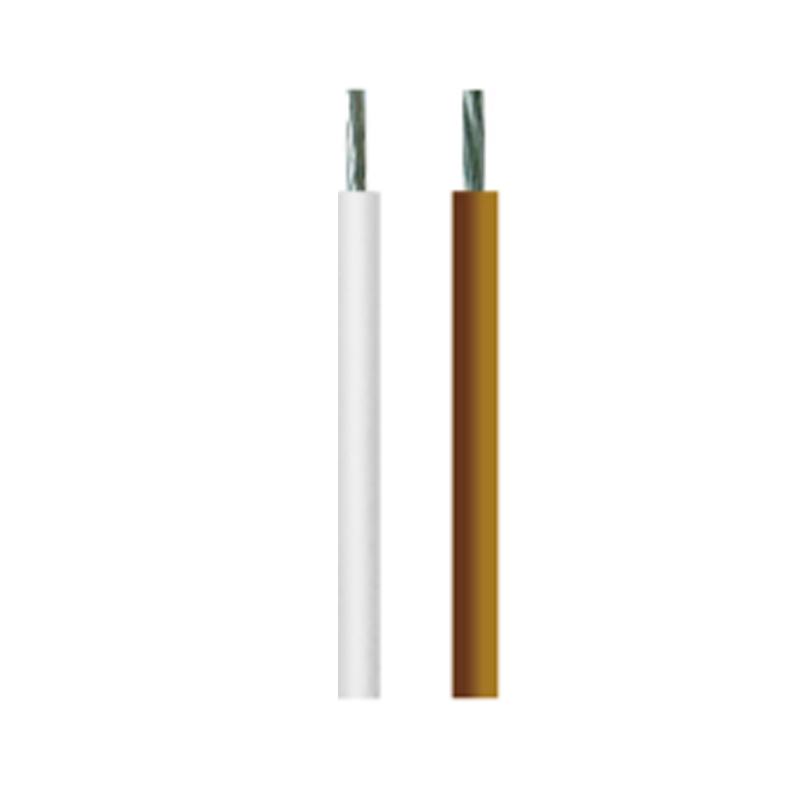
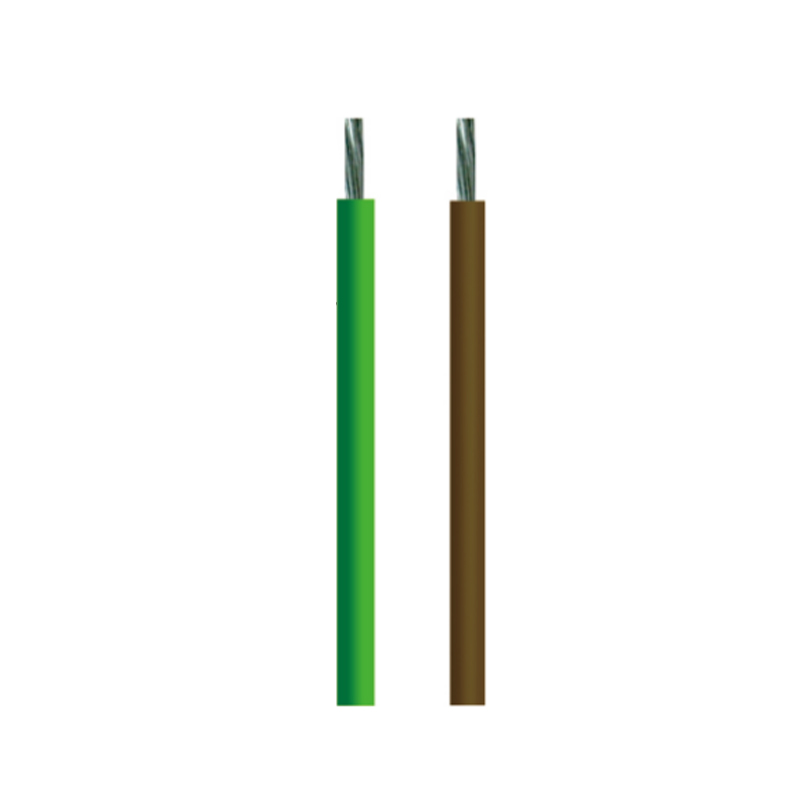
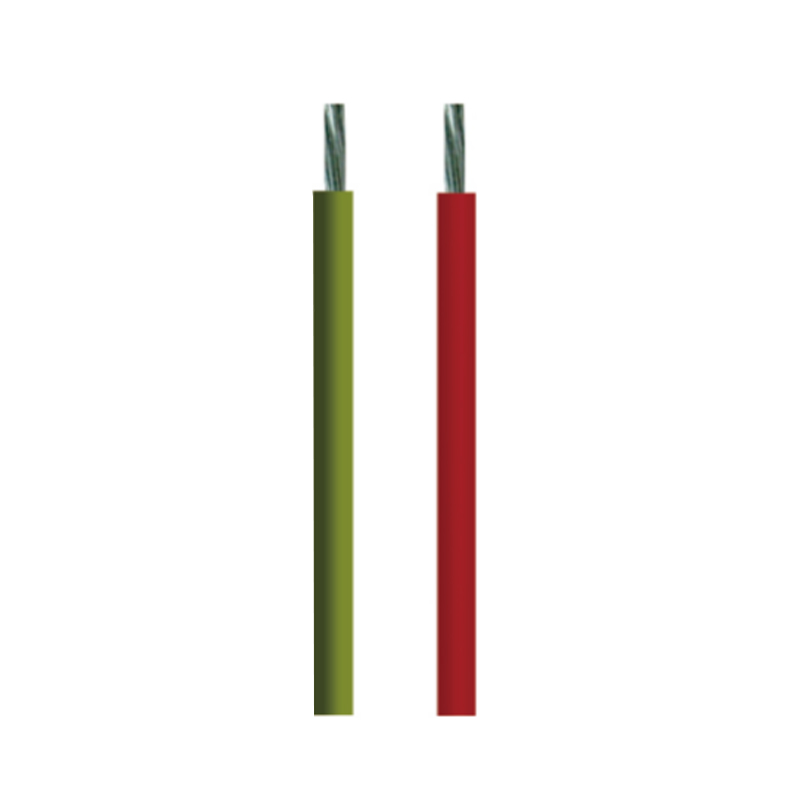
Silicone rubber cables are available in numerous configurations to suit specific application requirements. The core conductor is typically made from tinned or bare copper, with stranding designed for flexibility. The silicone insulation is extruded directly over the conductor, and additional layers may be added depending on the environment.
Single-Core and Multi-Core Designs
Single-core silicone cables are commonly used for internal wiring within equipment, especially where space is limited and individual routing is preferred. Multi-core variants bundle several insulated conductors within a common silicone outer sheath, making them suitable for control circuits and instrumentation where multiple signals must be routed together through a single cable pathway.
Braided and Armored Options
For environments that combine heat with mechanical stress—such as vibration, abrasion, or physical impact—silicone cables can be reinforced with glass fiber braiding or stainless steel overbraid. Glass fiber braiding adds an extra layer of heat resistance and abrasion protection while keeping the cable lightweight. Steel overbraid provides additional mechanical strength and can also serve as electromagnetic shielding in sensitive signal applications.
Flat and Ribbon Configurations
In applications where space constraints or specific routing geometries are required, flat silicone cables offer a low-profile solution. These are frequently used inside heating panels, flexible heaters, and medical devices where the cable must conform to a surface without adding bulk.
How to Select the Right Silicone Rubber Cable
Choosing the appropriate silicone rubber cable for a high-temperature application involves evaluating several interdependent factors. A systematic approach ensures that the cable not only handles the thermal demands but also performs reliably under all other service conditions present in the installation.
- Define the Temperature Range: Identify both the continuous operating temperature and any short-term peak temperatures the cable will encounter. Choose a cable rated at least 10–15°C above the maximum expected temperature to provide a safety margin and extend service life.
- Assess Mechanical Requirements: Consider whether the cable will be subject to repeated flexing, vibration, or physical abrasion. Highly flexible stranded conductors and reinforced jackets are preferable in dynamic or mechanically demanding installations.
- Evaluate Chemical Exposure: Silicone rubber offers good resistance to oils, water, and mild chemicals, but verify compatibility if the cable will contact specific solvents, strong acids, or steam environments on a continuous basis.
- Check Compliance Standards: Depending on the sector, cables may need to comply with standards such as UL 3122, IEC 60245, BS EN 50525, or specific military and aerospace specifications. Always confirm that the chosen product carries the appropriate certifications for your application and region.
- Consider Conductor Size and Current Rating: Ensure the conductor cross-section is correctly sized for the current load. Heat derating factors may apply when cables are bundled together or installed in conduit, so consult the manufacturer's installation guidelines.
Installation Best Practices for High-Temperature Environments
Even the best silicone rubber cable will underperform if installed incorrectly. Certain practices are particularly important when working in high-temperature settings. Always maintain the cable's minimum bend radius to avoid mechanical stress on the insulation at connection points. Use appropriate cable glands and fittings rated for the same temperature class as the cable itself—a common mistake is pairing a high-temperature cable with a standard-rated gland that degrades prematurely.
Avoid routing silicone cables through areas where they may come into direct contact with sharp metal edges without adequate protection, as the softness of silicone, while an asset for flexibility, can make it more susceptible to cutting abrasion than harder insulation materials. Where cables pass through panels or enclosures, use silicone-rated grommets to protect against edge damage.
In environments where radiant heat from nearby equipment is a factor—such as proximity to furnace walls or exhaust pipes—consider the use of reflective thermal sleeving over the cable run to reduce the effective ambient temperature the cable experiences during operation.
Long-Term Reliability and Maintenance Considerations
One of the most valued characteristics of silicone rubber cables in industrial settings is their long-term reliability with minimal maintenance. Because silicone does not absorb moisture and resists aging from UV and ozone exposure, cables installed in open or outdoor high-temperature environments tend to remain in good condition far longer than alternatives. However, periodic visual inspection is still recommended—particularly at connection points, cable entry areas, and any location where the cable is subject to repeated movement or vibration.
Signs of degradation to watch for include surface chalking or discoloration, which can indicate thermal degradation beyond the cable's rated range, or any cracking or hardening of the outer sheath. While silicone cables are designed to outlast conventional alternatives by a significant margin, no cable is immune to failure if operated beyond its specifications over extended periods.
Maintaining accurate records of cable installation dates, operating conditions, and inspection history enables maintenance teams to plan replacements proactively rather than reactively—reducing the risk of unexpected failures during critical production periods.