English
 عربى
عربى Español
Content
- 1 What is a Kitchen Appliances Wiring Harness
- 2 Core Components of Appliance Wiring Harnesses
- 3 Wiring Harness Applications by Appliance Type
- 4 Manufacturing Standards and Safety Requirements
- 5 Common Wiring Harness Failures and Diagnosis
- 6 Quality Considerations When Selecting Harnesses
- 7 Installation and Replacement Best Practices
- 8 Emerging Trends in Appliance Wiring Technology
What is a Kitchen Appliances Wiring Harness
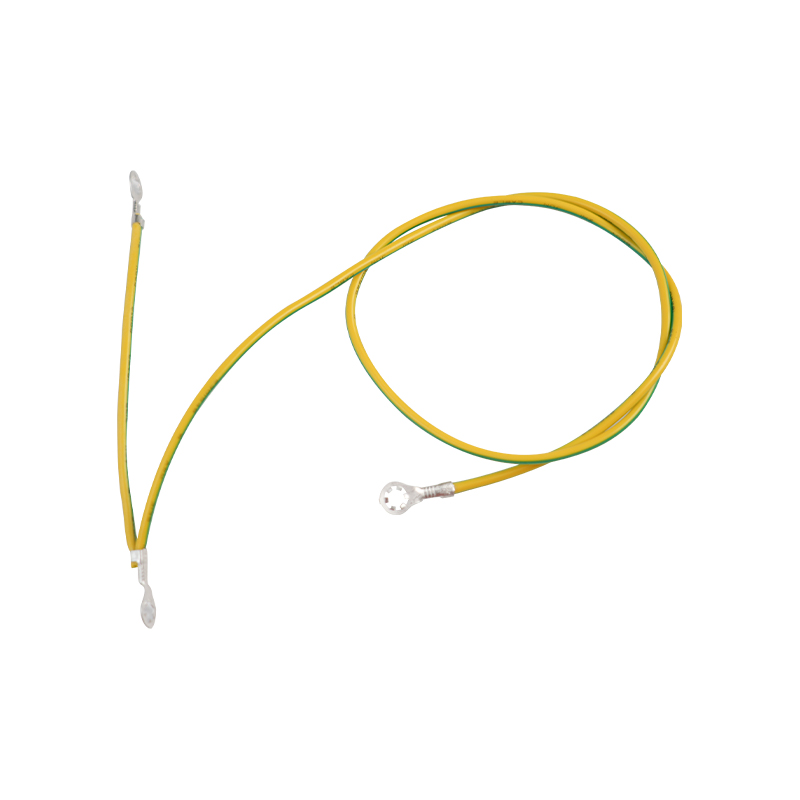
A kitchen appliances wiring harness serves as the central nervous system of modern home appliances, organizing and protecting multiple electrical connections within a single assembly. This critical component consists of wires, connectors, terminals, and protective materials bundled together to transmit power and signals between various parts of an appliance. Unlike loose wiring, harnesses provide structured cable management that simplifies manufacturing, reduces installation time, and enhances reliability throughout the appliance's lifespan.
Modern kitchen appliances rely on sophisticated wiring harnesses to coordinate functions ranging from simple heating elements to complex digital control systems. These harnesses must withstand extreme temperatures, moisture exposure, vibration, and chemical contact from cleaning agents while maintaining consistent electrical performance. The design and quality of wiring harnesses directly impact appliance safety, energy efficiency, and operational longevity, making them indispensable components in refrigerators, ovens, dishwashers, microwaves, and other kitchen equipment.
Core Components of Appliance Wiring Harnesses
Conductors and Wire Types
The conductors within kitchen appliance harnesses typically use stranded copper wire for optimal flexibility and resistance to vibration-induced fatigue. Wire gauges range from 18 AWG for low-current control circuits to 14 AWG or larger for high-power heating elements and motors. Appliance-grade wire features insulation materials specifically engineered to withstand the harsh conditions inside kitchen equipment, including silicone rubber for extreme heat resistance, PVC for general applications, and Teflon for chemical resistance near cleaning solution dispensers.
Connectors and Terminals
Connectors enable quick assembly during manufacturing and facilitate field repairs without requiring wire splicing. Kitchen appliance harnesses employ various connector types including blade terminals for heating elements, multi-pin connectors for control boards, and weather-resistant sealed connectors for moisture-prone areas. Quality connectors feature positive locking mechanisms that prevent accidental disconnection from vibration while allowing intentional removal during service procedures. Terminal blocks organize multiple connections in compact spaces while providing clear wire identification for troubleshooting.
Protective Materials and Sleeving
Protective components shield wiring from physical damage, heat exposure, and abrasion. Fabric braided sleeving provides abrasion resistance where harnesses contact metal edges, while heat-shrink tubing bundles wires together and adds insulation at branch points. Corrugated conduit protects harnesses in high-movement areas like dishwasher door assemblies. Grommets prevent wire chafing where harnesses pass through metal panel openings. High-temperature fiberglass sleeving insulates wires near heating elements, maintaining safe clearances and preventing insulation breakdown from radiant heat.
Wiring Harness Applications by Appliance Type
Refrigerator Wiring Harnesses
Refrigerator harnesses manage connections between compressors, defrost systems, temperature sensors, ice makers, water dispensers, and electronic control boards. These assemblies must function reliably in temperature extremes from freezer compartments at -10°F to condenser areas exceeding 120°F. Moisture resistance is critical for connections near ice makers and water lines. Modern refrigerators incorporate increasingly complex harnesses supporting features like Wi-Fi connectivity, touch screen interfaces, and variable-speed compressor controls that require low-voltage signal wiring alongside high-current power circuits.
Oven and Range Harnesses
Cooking appliances demand harnesses with exceptional heat resistance due to proximity to heating elements and combustion systems. Oven harnesses connect bake and broil elements, temperature sensors, igniters for gas ranges, convection fans, and control panels using wire rated for continuous exposure to temperatures exceeding 400°F. Silicone-insulated wire predominates in these applications, maintaining flexibility and electrical integrity despite thermal cycling. Harnesses route carefully to maintain safe distances from direct heat sources while providing sufficient wire length to accommodate thermal expansion of appliance components.
Dishwasher Wiring Systems
Dishwasher harnesses face unique challenges from constant moisture exposure, detergent chemicals, and mechanical movement of the door assembly. These harnesses interconnect wash pumps, drain pumps, heating elements, water inlet valves, door latches, and control electronics. Sealed connectors with IP67 or higher ratings prevent water intrusion at connection points. Door harnesses require specialized strain relief and flexible wire construction to withstand thousands of open-close cycles without conductor breakage. Modern dishwashers incorporate turbidity sensors, water softener controls, and Wi-Fi modules that increase harness complexity while demanding improved reliability.
Microwave Oven Harnesses
Microwave harnesses must safely handle high-voltage connections to magnetron tubes while routing low-voltage control signals and user interface wiring. These assemblies require careful design to prevent electromagnetic interference from affecting control circuits and to maintain safe clearances from high-voltage components. Harnesses incorporate special high-voltage wire with thicker insulation for magnetron and transformer connections, while standard appliance wire serves control boards, door switches, and display panels. Proper shielding and grounding within the harness design prevent RF leakage and ensure electromagnetic compatibility.
Manufacturing Standards and Safety Requirements
Kitchen appliance wiring harnesses must comply with rigorous safety standards established by organizations including Underwriters Laboratories (UL), the International Electrotechnical Commission (IEC), and various regional regulatory bodies. These standards specify requirements for conductor sizing, insulation materials, flame resistance, voltage ratings, and temperature tolerances to ensure consumer safety and prevent electrical hazards.
| Standard | Scope | Key Requirements |
| UL 817 | Cord Sets and Power Supply Cords | Wire gauge, insulation, strain relief |
| UL 1581 | Electrical Wire and Cable Testing | Flame resistance, voltage withstand |
| IEC 60335 | Household Appliance Safety | Temperature limits, grounding, insulation |
| RoHS | Hazardous Substances | Lead-free materials, restricted chemicals |
Compliance verification involves extensive testing including high-voltage dielectric strength tests, temperature cycling to simulate years of operation, vibration testing, and flammability assessment. Manufacturers maintain detailed documentation proving compliance and implement quality control processes to ensure every harness meets specifications. Third-party certification from recognized testing laboratories provides independent verification that harnesses satisfy applicable safety standards before appliances reach consumers.
Common Wiring Harness Failures and Diagnosis
Heat-Related Degradation
Excessive heat represents the most common cause of harness failure in kitchen appliances. Insulation becomes brittle and cracks when exposed to temperatures exceeding its rating, eventually exposing bare conductors that create short circuits or fire hazards. Discolored or melted insulation indicates thermal damage, often occurring near heating elements, motors, or compressors. Diagnosis involves visual inspection for charred or hardened wire insulation and measuring resistance between conductors to detect compromised insulation. Prevention requires proper wire routing away from heat sources and using appropriately rated high-temperature wire in thermal zones.
Connector Corrosion and Contact Issues
Moisture infiltration causes connector corrosion that increases electrical resistance and creates intermittent connections. Symptoms include sporadic operation, components that work inconsistently, or complete failure after moisture exposure. Green or white corrosion deposits on connector pins indicate active oxidation. Testing involves measuring voltage drop across connections under load conditions and inspecting connector cavities for moisture or corrosion. Remedies include cleaning corroded terminals with electrical contact cleaner, applying dielectric grease to prevent future oxidation, and replacing severely damaged connectors with sealed moisture-resistant alternatives.
Mechanical Damage and Wire Breakage
Vibration, repeated flexing, and physical contact with moving parts cause conductor fatigue and eventual breakage. Dishwasher door harnesses and refrigerator defrost timer connections commonly fail from mechanical stress. Symptoms include complete loss of function to specific components or intermittent operation that varies with appliance position or movement. Diagnosis requires wiggle testing connections while monitoring for continuity changes and visual inspection for abraded insulation or kinked wire. Repairs involve replacing damaged harness sections with equivalent or upgraded wire, adding protective sleeving, and improving strain relief at connection points.
Quality Considerations When Selecting Harnesses
Quality wiring harnesses distinguish reliable appliances from those prone to premature failure. Several factors indicate superior harness construction and materials that justify premium pricing through extended service life and reduced failure rates.
- Conductor material quality determines electrical performance and longevity. Pure copper conductors offer superior conductivity compared to copper-clad aluminum, reducing resistance and heat generation while improving current-carrying capacity and mechanical durability.
- Insulation material selection directly impacts temperature tolerance and chemical resistance. Silicone rubber insulation maintains flexibility and dielectric strength at extreme temperatures, while cross-linked polyethylene provides excellent moisture resistance and mechanical protection at lower cost for non-thermal applications.
- Connector quality affects reliability significantly. Gold-plated contacts resist corrosion better than tin-plated alternatives, maintaining low contact resistance over time. Positive locking connectors with secondary retention features prevent accidental disconnection from vibration.
- Manufacturing process consistency ensures every harness meets specifications. Automated crimping equipment produces more consistent terminal connections than hand crimping. Comprehensive testing of finished assemblies identifies defects before installation.
- Certification documentation proves compliance with safety standards. UL-recognized components and third-party testing verification provide assurance of quality and regulatory compliance essential for liability protection and market acceptance.
Installation and Replacement Best Practices
Proper harness installation ensures optimal performance and prevents premature failure. Following manufacturer guidelines and industry best practices protects both the harness and surrounding appliance components while maintaining safety standards.
Pre-Installation Preparation
Disconnect power completely before beginning harness work to prevent electrical shock and short circuits. Photograph existing harness routing and connections before removal to ensure correct reinstallation. Verify replacement harness matches original specifications including wire gauge, connector types, and overall length. Inspect mounting locations for sharp edges that could damage insulation and file smooth or add protective grommets where necessary. Clean connection surfaces of old thermal compound, corrosion, or debris that could compromise electrical contact quality.
Routing and Securing
Route harnesses along original paths using existing mounting clips and tie-down points. Maintain safe distances from heat sources, moving parts, and sharp edges throughout the harness length. Avoid tight bends that stress conductors or restrict airflow needed for cooling. Secure harnesses at regular intervals to prevent sagging that could lead to contact with hot surfaces or moving components. Use appropriate fasteners including cable ties for permanent mounting and reusable clips for serviceable connections. Allow slight slack in the harness to accommodate thermal expansion and component movement without creating stress on connections.
Connection Verification
Ensure all connectors seat fully with positive clicks or locks engaged. Verify pin alignment before forcing connectors together to prevent bent pins that create intermittent connections. Test continuity between key connection points using a multimeter before restoring power. Check ground connections for low resistance to chassis, typically below 1 ohm. Inspect all terminals for proper crimp depth and conductor retention. After initial power-up, monitor connections for unusual heat that indicates high resistance from poor contact. Document any modifications or deviations from original configuration for future service reference.
Emerging Trends in Appliance Wiring Technology
The evolution of kitchen appliances drives continuous innovation in wiring harness design and materials. Smart home integration, energy efficiency regulations, and manufacturing automation shape the future of appliance wiring systems.
Smart Appliance Integration
Connected appliances require harnesses supporting communication protocols including Wi-Fi, Bluetooth, and proprietary control networks. These systems demand careful attention to electromagnetic compatibility, preventing interference between power circuits and sensitive communication signals. Shielded cable and twisted-pair conductors maintain signal integrity while coexisting with high-current motor circuits. Harness designs incorporate dedicated paths for communication wiring with appropriate separation from noise sources and proper grounding to ensure reliable data transmission alongside traditional power distribution.
Miniaturization and Weight Reduction
Compact appliance designs and manufacturing efficiency goals drive harness miniaturization. Thinner wall insulation materials maintain performance while reducing overall harness diameter and weight. Micro-connectors decrease size without sacrificing current capacity or reliability. Advanced materials including liquid crystal polymer provide superior electrical and thermal properties in smaller cross-sections. These developments reduce material costs, simplify routing in space-constrained appliances, and lower shipping weights while maintaining or improving electrical performance and safety margins.
Sustainable Materials and Recycling
Environmental regulations and corporate sustainability initiatives promote recyclable harness materials and eco-friendly manufacturing processes. Halogen-free insulation materials reduce toxic emissions during disposal or fire events. Manufacturers increasingly specify bio-based plastics for non-critical components and design harnesses for easier disassembly at end-of-life. Standardized connector families facilitate component reuse and reduce waste from obsolete proprietary designs. These sustainability efforts balance environmental responsibility with the stringent performance and safety requirements of kitchen appliance applications.
Understanding kitchen appliance wiring harnesses empowers manufacturers, technicians, and informed consumers to appreciate these critical components that enable modern appliance functionality. Quality harness selection, proper installation techniques, and regular maintenance ensure reliable operation throughout appliance service life. As appliances evolve with smart features and improved efficiency, wiring harnesses will continue advancing to meet new technical demands while maintaining the safety and reliability consumers expect from their kitchen equipment.