English
 عربى
عربى Español
Content
What Is Insulated Wire?
Insulated wire is a conductor, typically copper or aluminum, that is covered with a non-conductive material to prevent electrical current from escaping the intended path. This insulating layer protects against short circuits, electric shock, moisture intrusion, and physical damage, while also allowing multiple wires to be bundled together without interference between circuits. The choice of insulation material directly affects how a wire performs under heat, chemical exposure, mechanical stress, and environmental conditions, which is why selecting the correct insulation type is just as important as choosing the conductor size itself.
Common Wire Insulation Materials
Several insulation materials dominate the market, each offering a different balance of flexibility, heat resistance, cost, and chemical durability. Understanding the properties of each helps buyers avoid premature failure in demanding environments.
PVC (Polyvinyl Chloride)
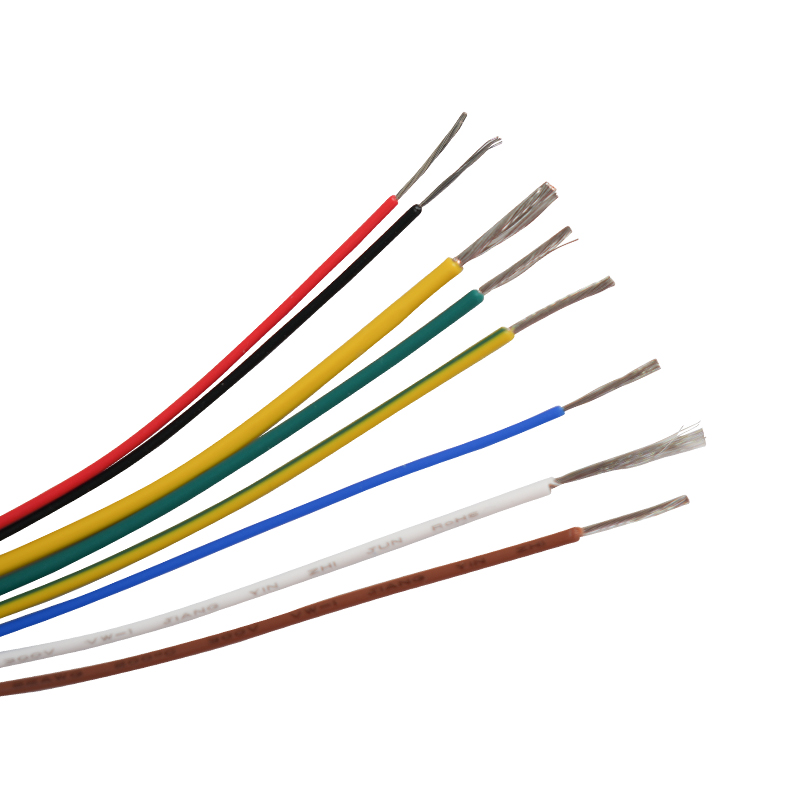
PVC is the most widely used wire insulation due to its low cost, good flexibility, and reasonable resistance to moisture and abrasion. It performs well in general-purpose wiring for residential and commercial buildings but has limited heat resistance, typically rated up to around 105 degrees Celsius, and can become brittle in very cold conditions.
XLPE (Cross-Linked Polyethylene)
XLPE insulation is created by cross-linking polyethylene molecules, which significantly improves heat resistance, mechanical strength, and resistance to environmental stress cracking compared to standard PVC. It is commonly rated for continuous operation up to 90 degrees Celsius and is a preferred choice for power distribution cables and underground installations.
PTFE (Polytetrafluoroethylene)
PTFE insulation offers exceptional heat resistance, often rated up to 260 degrees Celsius, along with outstanding chemical resistance and a low friction surface. It is frequently used in aerospace, military, and high-temperature industrial applications where reliability under extreme conditions is critical, though it carries a significantly higher cost than PVC or XLPE.
Rubber and Silicone
Rubber insulation, including EPDM and silicone rubber, provides excellent flexibility even in cold temperatures and strong resistance to ozone and weathering. Silicone rubber in particular can withstand a wide temperature range, making it suitable for outdoor equipment, appliances, and applications involving repeated flexing or vibration.
- PVC offers the best balance of cost and general-purpose performance
- XLPE provides higher temperature and mechanical durability for power cables
- PTFE withstands extreme heat and aggressive chemical environments
- Silicone rubber stays flexible across a wide temperature range
Comparing Insulation Materials by Key Properties
The table below summarizes how the most common insulation materials compare across temperature rating, flexibility, and typical cost, which are usually the deciding factors in material selection.
| Material | Max Temperature | Flexibility | Relative Cost |
| PVC | 105°C | Good | Low |
| XLPE | 90°C continuous | Moderate | Moderate |
| PTFE | 260°C | Moderate | High |
| Silicone Rubber | 200°C | Excellent | Moderate to high |
Matching Insulation Type to Application
Choosing the right insulated wire depends heavily on the operating environment. Standard indoor building wiring, such as lighting circuits and general power outlets, typically works well with PVC-insulated wire because it meets safety codes at a low cost while offering adequate durability for interior use. Underground and outdoor power distribution, on the other hand, benefits from XLPE insulation because of its superior resistance to moisture ingress and higher continuous temperature rating.
Applications involving extreme heat, such as engine compartments, industrial ovens, or aerospace wiring harnesses, generally require PTFE insulation due to its ability to maintain integrity at very high temperatures without degrading. Equipment that experiences constant vibration, flexing, or exposure to outdoor weathering, such as appliance cords or solar panel wiring, often performs better with silicone rubber insulation because of its flexibility and resistance to ozone and UV exposure.
Considering Chemical and Moisture Exposure
Wire installed in environments with exposure to oils, solvents, or industrial chemicals should use insulation rated for chemical resistance, such as PTFE or certain XLPE formulations, since standard PVC can degrade when exposed to specific solvents over time. Wire routed through damp basements, outdoor conduits, or marine environments should carry a moisture resistance rating appropriate for wet locations to prevent insulation breakdown and corrosion at the conductor.
Checking Voltage and Current Ratings
Insulation thickness and material also influence the voltage rating a wire can safely handle. Higher voltage applications require insulation with greater dielectric strength, and undersized insulation for a given voltage can lead to insulation breakdown, arcing, or fire risk. Always confirm that the insulated wire's voltage rating matches or exceeds the requirements of the circuit it will serve.
Installation and Handling Tips for Insulated Wire
Proper installation practices help preserve the protective qualities of wire insulation over its service life. Wire should be pulled through conduit or raceways without exceeding the manufacturer's recommended bend radius, since sharp bends can crack or thin the insulation layer, particularly in cold conditions when some materials become less flexible. Sharp edges on conduit openings or panel cutouts should be fitted with grommets or bushings to prevent abrasion damage during and after installation.
Wire connections should always be properly stripped, terminated, and, where required, sealed to prevent moisture from wicking along the conductor strands into the insulation. Routine visual inspection for cracking, discoloration, or brittleness is especially important in outdoor or high-heat installations, since insulation degradation is often a leading indicator of pending electrical failure. Selecting the correct insulation material from the start and following sound installation practices together ensure long-term safety and reliability for any insulated wire system.