English
 عربى
عربى Español
Content
- 1 Understanding Wiring Harness Components and Construction
- 2 Safety Standards and Regulatory Requirements
- 3 Integration and Design for Different Appliance Types
- 4 Installation, Maintenance, and Common Failure Modes
- 5 Manufacturing Standards and Quality Assurance
- 6 Future Innovations and Evolving Requirements
Household appliances wiring harnesses represent one of the most critical yet often overlooked components in modern home appliances, serving as the nervous system that distributes electrical power and signals throughout complex electromechanical systems. These integrated cable assemblies coordinate the operation of motors, heating elements, controllers, sensors, and safety mechanisms, enabling the sophisticated functionality that consumers depend on daily for cooking, cleaning, food preservation, and countless other essential household tasks. Understanding the design principles, construction standards, safety requirements, and maintenance practices for household appliance wiring harnesses enables consumers to make informed decisions about appliance purchases, recognize potential safety concerns, and troubleshoot common issues before they escalate into serious problems. This comprehensive guide explores every dimension of household appliance wiring harnesses, from fundamental design principles through materials and manufacturing standards, integration with complex appliance systems, safety considerations that protect families, and practical troubleshooting strategies that extend appliance lifespan while maintaining reliable operation.
Understanding Wiring Harness Components and Construction
Household appliance wiring harnesses consist of multiple integrated components working together to create reliable electrical connections throughout the appliance. The primary components include individual conductors carrying electrical current, insulation materials protecting conductors from damage and preventing electrical hazards, terminals and connectors enabling connection to various appliance components, and protective conduits or sheathing providing mechanical protection against damage from abrasion, heat, or environmental factors. The specific configuration and component selection depends entirely on the appliance type, voltage requirements, current capacity, operating temperatures, and the specific functions the harness must support.
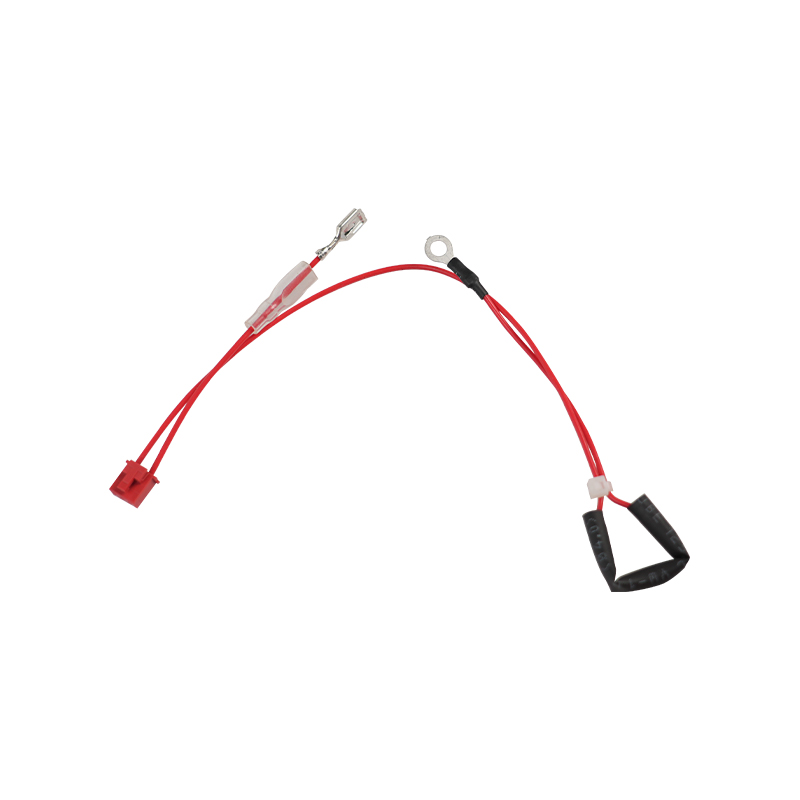
Copper conductors represent the standard choice for household appliance wiring due to their excellent electrical conductivity, reliability, and established safety standards throughout the industry. The wire gauge, measured in AWG (American Wire Gauge) or mm², determines the current-carrying capacity, with thicker gauges supporting higher currents. Appliance designers select appropriate gauges for each circuit based on expected current draw, acceptable voltage drop, and anticipated temperatures that affect conductor resistance. Under-gauging creates fire hazards and performance problems, while over-gauging wastes material and increases costs without safety benefits.
Insulation materials typically employ PVC (polyvinyl chloride), silicone rubber, or advanced thermoplastic elastomers selected for their thermal rating, flexibility, chemical resistance, and compliance with safety standards. High-temperature applications like wiring adjacent to heating elements require insulation maintaining integrity at sustained temperatures exceeding 150°C, necessitating specialized materials with superior thermal stability. Flame-retardant formulations reduce fire propagation if insulation fails, providing critical safety benefits in catastrophic fault conditions. Silicone rubber insulation proves particularly valuable in applications requiring flexibility, water resistance, or extreme temperature tolerance, though at significantly higher cost than PVC alternatives.
Connectors and terminals enable reliable electrical connections between harness components and appliance modules, with design and materials directly impacting reliability and longevity. Copper or tin-plated brass terminals provide low contact resistance and corrosion resistance, preventing connection degradation that could introduce electrical resistance, heat generation, or intermittent faults. Connector quality distinguishes premium appliances from budget alternatives, with loose connections representing a primary cause of appliance failures and potential fire hazards. Pressure contacts, crimped connections, and soldered terminals each offer distinct advantages in different applications, with quality manufacturing ensuring correct installation and reliable long-term performance.
Safety Standards and Regulatory Requirements
Household appliance wiring harnesses must comply with stringent international safety standards including UL (Underwriters Laboratories) standards in North America, CE marking requirements in Europe, and equivalent standards in other regions. These comprehensive standards specify conductor gauge requirements, insulation thickness and materials, temperature ratings, voltage ratings, mechanical strength requirements, and testing protocols ensuring that harnesses perform reliably under normal operating conditions and safely in fault scenarios. Manufacturers must document compliance through testing and certification, providing consumers assurance that products meet safety requirements established by independent testing organizations and regulatory agencies.
Voltage rating specifications determine the maximum voltage that harnesses can safely withstand without insulation breakdown or electrical hazards. Standard household appliances operating at 120V or 240V (North America) or 230V single-phase (most other regions) require insulation rated for at least these voltages with substantial safety margins. Higher voltage ratings provide additional safety margins protecting against transient overvoltages, manufacturing variations, and insulation degradation over extended service life. Temperature rating specifications ensure that insulation materials maintain adequate flexibility and electrical properties at operating temperatures, preventing brittleness, softening, or increased electrical conductivity that would compromise safety or performance.
Fire safety standards require that harness insulation resist ignition and flame propagation, limiting fire hazards if electrical faults generate arcing or excessive heat. Testing procedures quantify flame-spread characteristics, heat release, and smoke generation under standardized conditions, enabling objective comparison of materials and designs. UL94 ratings from V-2 to V-0 indicate increasing flame resistance, with premium appliances often specifying V-0 materials ensuring maximum fire safety. Current-carrying capacity ratings prevent overheating by limiting current through conductors to levels the gauge and insulation can safely tolerate, protecting against thermal damage, insulation failure, and fire hazards.
Key Safety Standards and Certifications
- UL 2089 standard for household appliance internal wiring specifications
- UL94 flame resistance rating for insulation materials
- IEC 60320 connector and power cord safety standards
- CSA (Canadian Standards Association) certification for North American markets
- CE marking compliance for European Union and international markets
- Appliance-specific standards for refrigerators, ovens, washers, and other categories
Integration and Design for Different Appliance Types
Different household appliance types require specialized wiring harness designs optimized for their specific functions, operating temperatures, and electrical requirements. Refrigerator wiring harnesses must tolerate temperatures ranging from ambient down to near-freezing compartments while managing multiple circuits for compressor operation, fan motors, lighting, and defrost heaters. Water-using appliances including washing machines and dishwashers require moisture-resistant harnesses with specialized connectors and coatings preventing corrosion and electrical hazards from water exposure. Cooking appliances including ovens and ranges demand harnesses tolerating sustained high temperatures adjacent to heating elements and cooking surfaces, necessitating insulation materials with superior thermal stability.
Microwave ovens present unique challenges due to high-voltage circuits powering the magnetron tube, requiring special construction isolating high-voltage sections and incorporating safety interlocks that disable power when doors open. HVAC systems require complex harnesses coordinating compressor motors, blower fans, control circuits, and safety mechanisms, with outdoor components enduring temperature extremes and UV exposure. Laundry appliances including dryers generate substantial heat requiring heat-resistant insulation, while incorporating moisture barriers protecting against lint accumulation and condensation. Small countertop appliances including toasters, coffee makers, and food processors employ simplified harnesses appropriate to their straightforward designs and modest power requirements.
Modern smart appliances incorporating microprocessors, sensors, and wireless connectivity require specialized low-voltage signal harnesses alongside traditional power circuits. These signal harnesses employ shielded cables preventing electromagnetic interference from power circuits, with twist-pair construction and foil or mesh shielding minimizing noise that could disrupt microprocessor operation or sensor accuracy. The integration of high-power and low-voltage circuits within single harness assemblies requires careful design preventing crosstalk and ensuring that power circuit failures don't damage sensitive electronics.
| Appliance Type | Typical Voltage | Temperature Range | Special Requirements |
| Refrigerator | 120V single-phase | -20°C to +50°C | Moisture resistance |
| Electric Range | 240V single-phase | +20°C to +150°C | High-temperature insulation |
| Washing Machine | 120V single-phase | +10°C to +60°C | Water resistance, motor control |
| Clothes Dryer | 240V single-phase | +20°C to +120°C | Heat resistance, lint protection |
| Microwave | 120V single-phase | +15°C to +60°C | High-voltage isolation, EMI shielding |
Installation, Maintenance, and Common Failure Modes
Proper installation of household appliance wiring harnesses during manufacturing establishes the foundation for reliable operation throughout the appliance's service life. Quality control procedures verify correct connector seating, proper conductor continuity, insulation integrity, and absence of manufacturing defects that could compromise performance or safety. Routing and securing harnesses to prevent movement, vibration damage, or contact with sharp edges or heat sources protects against mechanical damage and thermal degradation. Strain relief at connection points distributes stress rather than concentrating it at individual conductors or terminals, preventing mechanical failure and intermittent electrical contact problems.
Consumer maintenance capabilities for household appliance wiring harnesses remain limited in modern appliances, as most require professional service for internal repairs involving electrical systems. Basic preventive measures include keeping appliances clean to prevent dust accumulation that could insulate wires and cause overheating, ensuring adequate ventilation around appliances so cooling air circulates freely, and avoiding liquid spills or excessive moisture exposure that could create corrosion or electrical hazards. Regular visual inspection of power cords and external connections identifies obvious damage like cuts, loose connections, or discoloration indicating overheating, prompting professional service before safety hazards develop.
Common failure modes affecting household appliance wiring harnesses include connection corrosion reducing electrical continuity and increasing resistance causing heat generation, insulation degradation from thermal stress or UV exposure reducing electrical protection, mechanical damage from vibration or physical stress causing conductor breakage or insulation rupture, and manufacturing defects including cold solder joints or improper crimps producing intermittent electrical contact. Symptoms suggesting harness problems include intermittent appliance operation, unusual electrical odors indicating overheating, visible smoke or sparks, tripped circuit breakers or blown fuses, and reduced performance suggesting partial circuit failure.
Manufacturing Standards and Quality Assurance
Household appliance wiring harness manufacturing demands stringent quality control ensuring consistent reliability across millions of units produced annually. Automated testing equipment validates conductor continuity, insulation resistance, and voltage withstand capabilities before harnesses ship to appliance assembly facilities. Crimp quality monitoring ensures that terminal connections achieve proper contact force and mechanical strength, preventing loose connections or premature failures. Thermal cycling and mechanical stress testing simulates years of operation, confirming that harnesses maintain performance through repeated temperature changes, vibration, and flexing that occur during normal use.
Traceability systems enable manufacturers to identify specific production batches, materials, and processes used in any given harness, facilitating rapid response if quality issues emerge. Supplier qualification programs ensure that component manufacturers including wire suppliers, connector manufacturers, and terminal producers maintain consistent quality meeting stringent specifications. Incoming inspection verifies that components meet specifications before incorporation into harnesses, preventing defective materials from compromising final product quality. Statistical process control monitors manufacturing parameters continuously, identifying trends suggesting potential quality problems before they affect product quality.
International manufacturing standards including ISO 9001 quality management systems and appliance-specific manufacturing guidelines establish frameworks ensuring consistent quality across production facilities in different countries. Many appliance manufacturers employ the same harness designs and specifications globally, enabling economies of scale while maintaining uniform quality standards. Rigorous documentation of design specifications, approved materials, manufacturing procedures, and testing requirements ensures that modifications receive proper engineering review before implementation, preventing well-intentioned cost reductions from compromising safety or reliability.
Future Innovations and Evolving Requirements
Smart appliances incorporating IoT connectivity, advanced sensors, and microprocessor control drive evolution in household appliance wiring harness design and complexity. These innovations enable remote monitoring, predictive maintenance, and energy optimization features enhancing appliance functionality and user experience. Specialized harnesses manage communication between control circuits and wireless modules, incorporating shielding and filtering preventing electromagnetic interference. Power delivery requirements evolve as appliances incorporate multiple microprocessors, LED lighting, and other low-voltage systems alongside traditional 120V or 240V power circuits.
Energy efficiency initiatives drive exploration of advanced materials and designs reducing power losses and environmental impact. Improved connector designs reduce contact resistance and associated heating losses. Optimized wire gauging prevents over-specification while maintaining adequate current-carrying capacity. Lightweight materials reduce manufacturing costs and environmental impact without compromising reliability. These incremental improvements across thousands of appliances manufactured annually produce substantial aggregate energy and material savings throughout the industry.
Household appliances wiring harnesses represent an essential but rarely appreciated component enabling the reliable, safe operation of devices families depend on daily. Understanding the sophisticated engineering, rigorous quality standards, and safety considerations built into modern harnesses promotes appreciation for the engineering excellence supporting everyday life. As appliance technology continues evolving and consumer expectations for reliability and efficiency increase, wiring harness design and manufacturing will continue advancing, incorporating innovations that improve safety, performance, and sustainability while delivering the reliability consumers expect from their household appliances.