English
 عربى
عربى Español
Content
- 1 Electrical Load and Power Requirements
- 2 Heat Resistance and Temperature Rating
- 3 Safety and Regulatory Compliance
- 4 Connector Types and Reliability
- 5 Mechanical Durability and Routing Design
- 6 Customization vs Standard Harness Designs
- 7 Environmental and Usage Conditions
- 8 Comparison of Key Harness Selection Factors
- 9 Supplier Capability and Quality Control
- 10 Cost Considerations and Long-Term Value
- 11 Conclusion
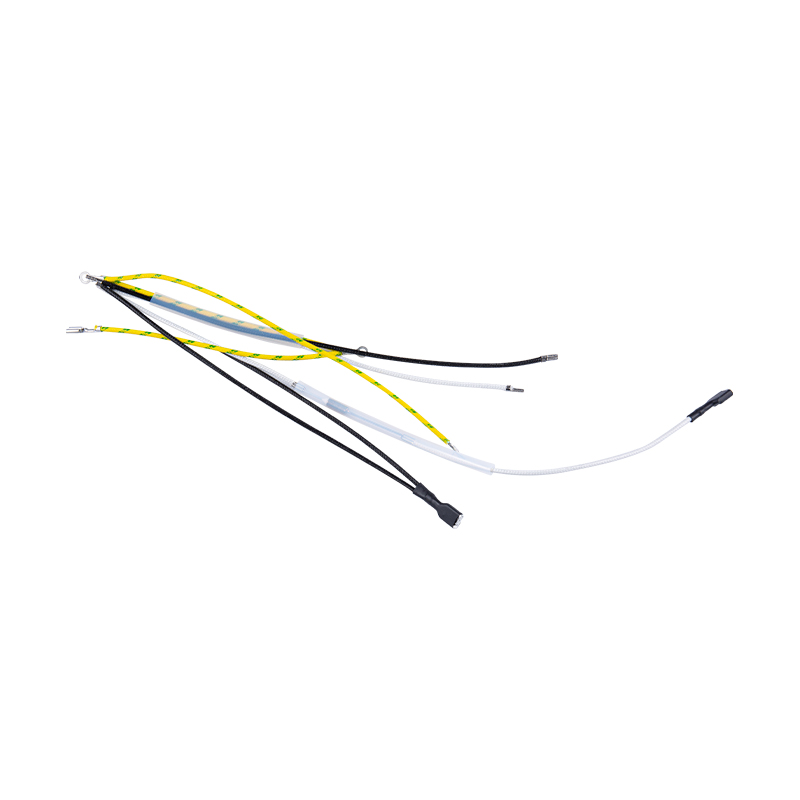
A waffle maker wiring control wiring harness is a critical internal component that connects electrical and control elements such as the heating plates, thermostat, indicator lights, switches, and power input. Its main role is to deliver stable electrical power and control signals safely and efficiently throughout the appliance. Because waffle makers operate at high temperatures and are frequently used in domestic and commercial kitchens, the wiring harness must be designed to withstand thermal stress, repeated use, and strict safety requirements.
When choosing a wiring harness for a waffle maker, manufacturers and product designers must consider not only electrical performance but also durability, safety compliance, ease of assembly, and long-term reliability. A poorly designed harness can lead to overheating, electrical failure, or product recalls, making careful selection essential.
Electrical Load and Power Requirements
One of the first factors to consider when selecting a wiring control harness for a waffle maker is the electrical load. Waffle makers typically operate at relatively high wattages to achieve fast and even heating. The wiring harness must be rated to handle the maximum current and voltage without excessive resistance or heat buildup.
Wire gauge selection is particularly important. Undersized wires may overheat during prolonged operation, while oversized wires can increase cost and complicate internal routing. The harness design should align with the appliance’s rated power, duty cycle, and intended usage, whether for household or commercial environments.
Heat Resistance and Temperature Rating
Waffle makers generate significant internal heat, especially near heating plates and thermostats. The wiring harness must use insulation materials that can withstand elevated temperatures without degrading, melting, or releasing harmful substances.
Insulation Material Selection
Common insulation materials for waffle maker wiring harnesses include silicone rubber, fiberglass, and high-temperature PVC. Silicone-insulated wires are often preferred due to their flexibility and excellent heat resistance, making them suitable for areas close to heating elements.
Long-Term Thermal Stability
In addition to short-term heat exposure, the harness must maintain performance over thousands of heating cycles. Materials that harden, crack, or discolor over time can compromise electrical safety and appliance lifespan.
Safety and Regulatory Compliance
Safety compliance is a non-negotiable consideration when choosing a wiring harness for a waffle maker. Household and commercial appliances must meet regional and international safety standards to be legally sold and trusted by consumers.
Relevant Safety Standards
Depending on the target market, wiring harnesses may need to comply with standards such as UL, CE, VDE, or IEC. These certifications ensure that the materials, construction, and electrical ratings meet recognized safety benchmarks.
Choosing pre-certified wires and connectors can simplify the approval process for the finished waffle maker and reduce time to market.
Fire and Overheating Protection
Flame-retardant insulation and proper routing are essential to minimize fire risks. The wiring harness should be designed to avoid direct contact with heating plates and sharp edges, reducing the chance of insulation damage.
Connector Types and Reliability
Connectors are key components of a waffle maker wiring control wiring harness. They ensure secure electrical connections between internal modules while allowing for efficient assembly and maintenance.
Secure Electrical Connections
High-quality connectors reduce contact resistance and prevent loosening due to vibration or thermal expansion. Crimp quality, contact plating, and connector housing material all affect long-term reliability.
Ease of Assembly and Service
From a manufacturing perspective, connectors should support fast and error-free assembly. Polarized or keyed connectors help prevent incorrect installation, reducing production defects and warranty issues.
Mechanical Durability and Routing Design
The internal space of a waffle maker is often compact, with limited room for wiring. The wiring harness must be designed to fit precisely within the housing while maintaining safe bend radii and clearances.
Mechanical durability is especially important in areas where the appliance lid opens and closes. Wires in moving sections should be flexible and protected against repeated bending to avoid conductor fatigue.
Customization vs Standard Harness Designs
Manufacturers must decide whether to use a standard off-the-shelf wiring harness or a custom-designed solution. Each option has its advantages depending on production volume and product complexity.
- Standard harnesses offer lower development cost and faster availability
- Custom harnesses provide optimized fit, routing, and performance
- Custom designs can improve assembly efficiency and reduce error rates
For high-volume waffle maker production, a custom wiring control harness often delivers better long-term value despite higher initial design costs.
Environmental and Usage Conditions
Waffle makers are frequently exposed to steam, grease, and moisture during operation. The wiring harness should be designed with these conditions in mind to prevent corrosion, insulation breakdown, or electrical leakage.
Moisture-resistant insulation and properly sealed connectors help ensure stable performance in kitchen environments, especially for commercial waffle makers used continuously.
Comparison of Key Harness Selection Factors
Comparing critical factors side by side can help clarify decision-making when choosing a wiring harness for a waffle maker.
| Factor | Why It Matters | Impact on Product |
| Wire Gauge | Controls current capacity | Prevents overheating |
| Insulation Type | Resists high temperatures | Improves safety and lifespan |
| Connector Quality | Ensures stable contact | Reduces failure risk |
Supplier Capability and Quality Control
Choosing the right wiring harness supplier is as important as selecting the harness design itself. Reliable suppliers offer consistent quality, traceability, and technical support throughout the product lifecycle.
Quality control processes such as electrical testing, visual inspection, and pull-force testing help ensure that each wiring harness meets design specifications before installation.
Cost Considerations and Long-Term Value
While cost is always a factor, choosing the lowest-priced wiring harness can lead to higher long-term expenses due to failures, repairs, or recalls. A well-designed wiring control harness improves product reliability, reduces warranty claims, and enhances brand reputation.
Balancing upfront cost with durability, compliance, and performance is the most effective strategy for sustainable appliance manufacturing.
Conclusion
When choosing a wiring harness for a waffle maker, manufacturers must consider electrical load, heat resistance, safety compliance, connector reliability, mechanical durability, and environmental conditions. A carefully selected waffle maker wiring control wiring harness ensures safe operation, efficient assembly, and long-term performance. By focusing on practical design factors and working with reliable suppliers, manufacturers can create waffle makers that meet safety standards, perform consistently, and deliver lasting value to end users.