English
 عربى
عربى Español
Content
- 1 What Are Braided Silicone Rubber Wires?
- 2 Exceptional High-Temperature Resistance
- 3 Maintained Flexibility Under Thermal Stress
- 4 Enhanced Mechanical Protection from Braiding
- 5 Electrical Stability and Insulation Performance
- 6 Resistance to Chemicals and Environmental Factors
- 7 Fire Resistance and Safety Advantages
- 8 Wide Range of High-Temperature Applications
- 9 Comparison with Other High-Temperature Wires
- 10 Ease of Installation and Maintenance
- 11 Why They Are a Smart Choice for High-Temperature Design
- 12 Conclusion: Reliable Performance Where Heat Is a Challenge
High-temperature environments place extreme demands on electrical wiring. Excessive heat, thermal cycling, vibration, and chemical exposure can quickly degrade standard insulation, leading to performance loss or safety hazards. Braided silicone rubber wires are specifically engineered to withstand these conditions, making them a preferred choice in industries where reliability under heat is critical. Understanding why these wires excel in high-temperature applications helps engineers and buyers select solutions that ensure long-term performance and compliance.
What Are Braided Silicone Rubber Wires?
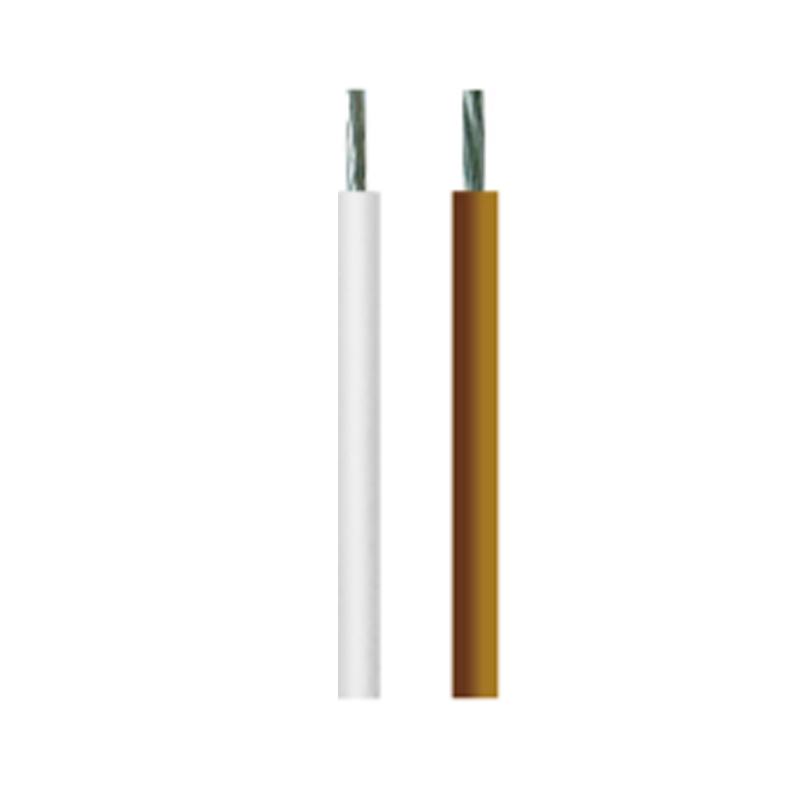
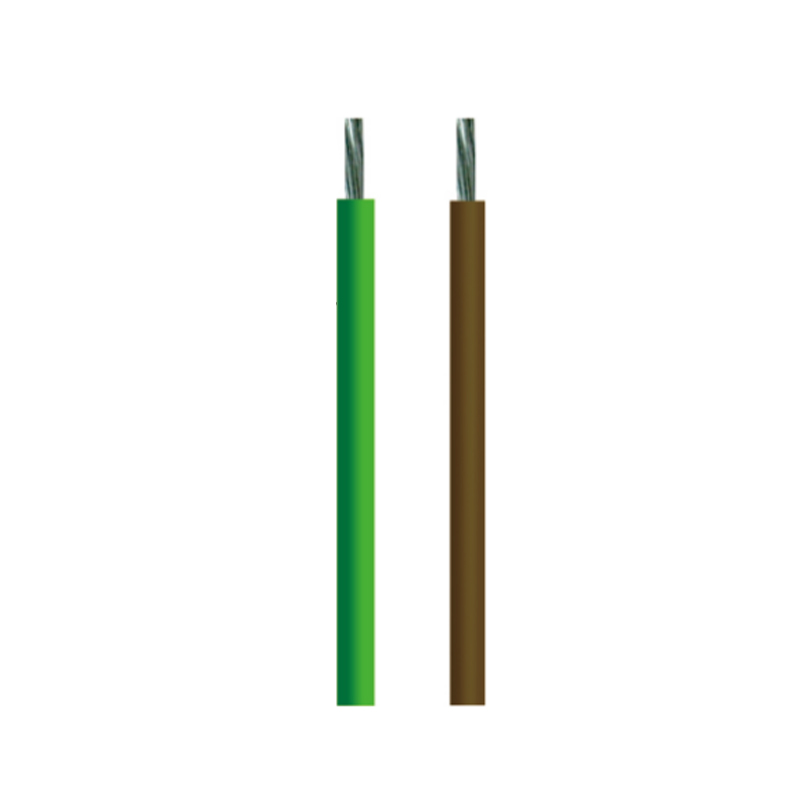
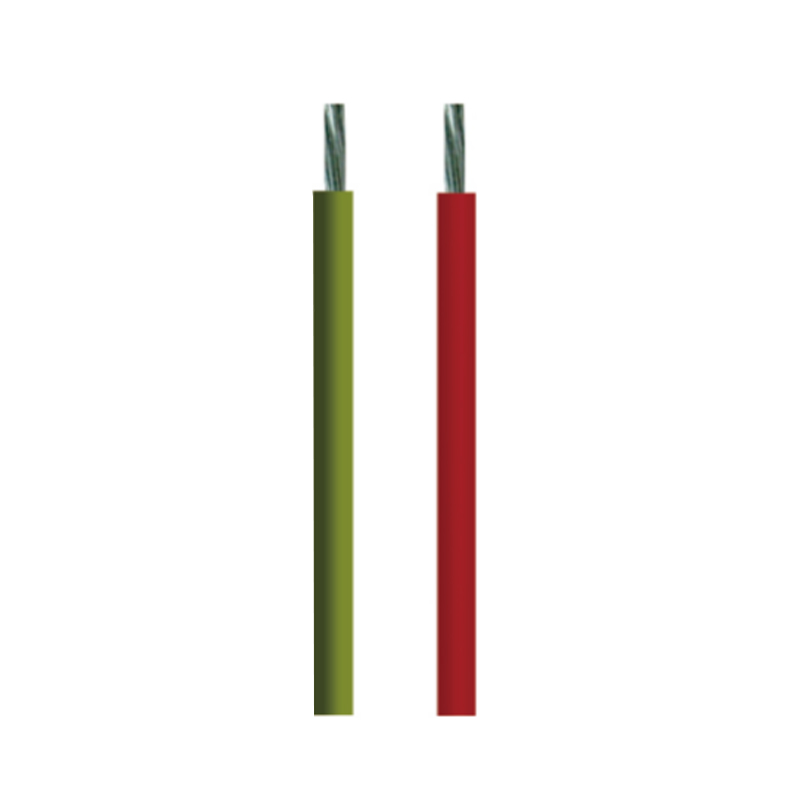
Braided silicone rubber wires consist of a conductive core insulated with silicone rubber and reinforced with an external braided layer. The braid is typically made from fiberglass, tinned copper, stainless steel, or other high-strength materials, depending on application requirements. This construction combines the thermal stability of silicone rubber with the mechanical protection of braiding.
The result is a wire that maintains electrical integrity and flexibility at elevated temperatures while resisting abrasion, tearing, and mechanical stress. These properties make braided silicone rubber wires suitable for demanding industrial and commercial uses.
Exceptional High-Temperature Resistance
The primary reason to choose braided silicone rubber wires for high-temperature applications is their superior heat resistance. Silicone rubber insulation typically operates continuously at temperatures up to 180°C and can tolerate short-term exposure to even higher temperatures without cracking or hardening.
Unlike conventional PVC or thermoplastic insulation, silicone rubber remains stable and flexible under sustained heat. This characteristic is essential in environments such as industrial ovens, furnaces, heating equipment, and engine compartments where elevated temperatures are constant.
Maintained Flexibility Under Thermal Stress
Heat often causes insulation materials to stiffen or become brittle, increasing the risk of cracking and conductor exposure. Silicone rubber insulation retains flexibility across a wide temperature range, from extremely low temperatures to high heat.
This flexibility allows braided silicone rubber wires to bend, twist, and move without damage, even in hot environments. Applications involving frequent motion or vibration benefit greatly from this property, as it reduces fatigue-related failures.

Enhanced Mechanical Protection from Braiding
The braided outer layer adds a critical level of mechanical protection that standard silicone wires lack. In high-temperature settings, wires are often exposed to abrasion, sharp edges, or physical handling that can damage insulation.
Resistance to Abrasion and Wear
Braiding shields the silicone insulation from direct contact with abrasive surfaces, significantly extending service life. This is particularly important in industrial machinery and manufacturing equipment where cables are routed through tight or exposed areas.
Improved Tensile Strength
The braided layer also enhances tensile strength, reducing the risk of stretching or tearing during installation or operation. This added durability is valuable in environments where cables may be pulled, clamped, or subjected to vibration.
Electrical Stability and Insulation Performance
High temperatures can negatively impact electrical insulation properties, leading to leakage currents or breakdown. Silicone rubber offers excellent dielectric strength and maintains stable electrical performance even when exposed to heat.
Braided silicone rubber wires provide consistent insulation resistance, helping ensure safe and reliable power or signal transmission. This stability is critical in control systems, sensors, and power distribution within high-temperature zones.
Resistance to Chemicals and Environmental Factors
High-temperature environments often involve exposure to oils, solvents, moisture, and other harsh substances. Silicone rubber exhibits strong resistance to many chemicals, reducing degradation caused by environmental exposure.
The braided outer layer further protects against external contaminants, making these wires suitable for industrial plants, automotive applications, and processing facilities where both heat and chemicals are present.
Fire Resistance and Safety Advantages
Safety is a key consideration in high-temperature electrical applications. Silicone rubber is inherently flame-resistant and produces minimal smoke when exposed to fire. This characteristic reduces the risk of fire propagation and improves safety in enclosed or occupied spaces.
Braided silicone rubber wires are often selected for applications where fire safety standards are strict, such as public transportation systems, industrial control panels, and heating equipment.
Wide Range of High-Temperature Applications
The combination of heat resistance, flexibility, and mechanical protection makes braided silicone rubber wires suitable for diverse applications. They are commonly used in environments where standard wiring would fail prematurely.
- Industrial ovens, furnaces, and heating systems
- Automotive and aerospace engine compartments
- Electrical heating elements and appliances
- Manufacturing machinery and control equipment
Comparison with Other High-Temperature Wires
When evaluating high-temperature wiring options, it is useful to compare braided silicone rubber wires with alternative solutions. While materials such as fiberglass or PTFE also offer heat resistance, silicone rubber provides a unique balance of flexibility and durability.
| Wire Type | Key Strength | Limitation |
| Braided silicone rubber | Heat resistance with flexibility | Higher cost than PVC |
| Fiberglass insulated wire | Very high heat tolerance | Limited flexibility |
| PTFE insulated wire | Chemical resistance | Stiffer at lower temperatures |
Ease of Installation and Maintenance
Despite their robust construction, braided silicone rubber wires are relatively easy to install. Their flexibility simplifies routing through complex pathways, even in confined or hot spaces.
Long service life and resistance to thermal aging reduce maintenance requirements. This reliability lowers downtime and total cost of ownership, especially in continuous-operation environments.
Why They Are a Smart Choice for High-Temperature Design
Selecting the right wire for high-temperature applications is not just a technical decision but a safety and reliability investment. Braided silicone rubber wires address the most common failure points associated with heat, including insulation breakdown, mechanical damage, and reduced flexibility.
Their balanced performance profile makes them suitable for both demanding industrial uses and precision applications where consistent electrical performance is essential.
Conclusion: Reliable Performance Where Heat Is a Challenge
Braided silicone rubber wires are chosen for high-temperature applications because they combine thermal stability, flexibility, mechanical protection, and electrical reliability. In environments where heat would quickly degrade standard wiring, these specialized wires provide long-lasting performance and enhanced safety. For engineers and manufacturers seeking dependable solutions under extreme conditions, braided silicone rubber wires represent a proven and practical choice.