English
 عربى
عربى Español
Content
- 1 What Is High Voltage Machine Lead Wire and Why Does It Matter?
- 2 Core Construction and Materials Used in Lead Wire Design
- 3 Voltage and Temperature Rating Systems Explained
- 4 Key Standards and Certifications to Verify Before Purchasing
- 5 Installation Best Practices for High Voltage Machine Lead Wire
- 6 Maintenance, Inspection, and End-of-Life Indicators
What Is High Voltage Machine Lead Wire and Why Does It Matter?
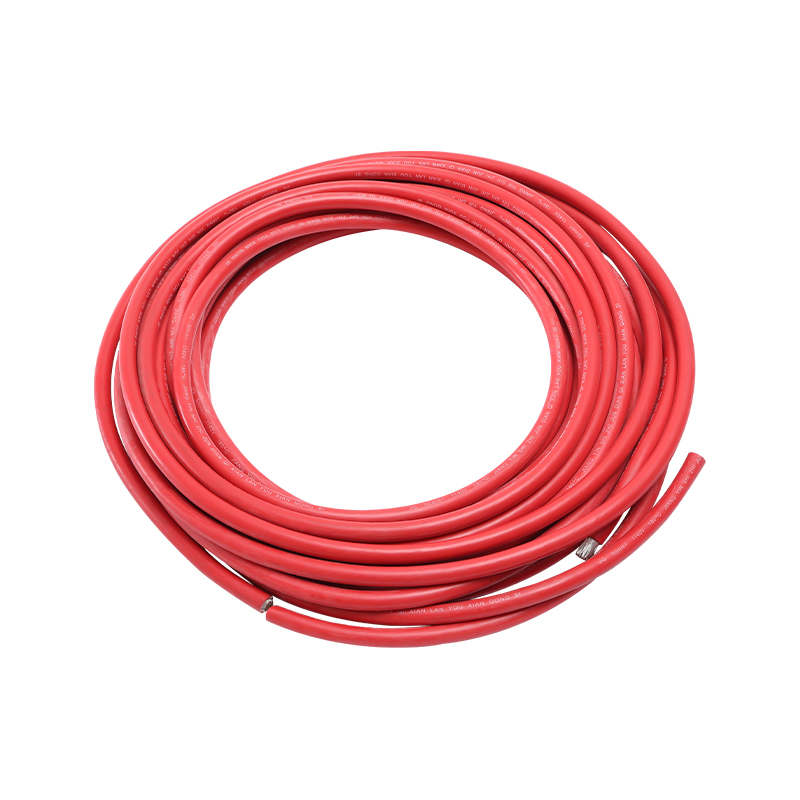
High voltage machine lead wire is a specialized electrical conductor designed to connect the internal windings of motors, generators, and transformers to external terminal boxes or power supply connections. Unlike standard building wire, machine lead wire must withstand not only high electrical stress but also the mechanical vibration, thermal cycling, and chemical exposure inherent in industrial machine environments. These wires are typically rated for voltages ranging from 600V to 35kV or higher, depending on the application, and are engineered to deliver consistent insulation integrity over decades of continuous operation.
The importance of selecting the correct lead wire cannot be overstated. A failure in this component can cause insulation breakdown, arc faults, motor burnout, or in worst-case scenarios, electrical fires and personnel injury. High voltage machine lead wires serve as the critical link between the machine's internal electrical system and the outside power network, and their performance directly determines the reliability and lifespan of the entire equipment assembly.
Core Construction and Materials Used in Lead Wire Design
The construction of a high voltage machine lead wire is a precise engineering exercise. Each layer of the wire is selected to fulfill a specific function, and the combination of materials determines the wire's overall voltage rating, temperature class, and mechanical durability. Understanding these layers helps engineers and procurement teams evaluate product datasheets with greater accuracy.
Conductor Core
Most high voltage machine lead wires use stranded bare copper or tinned copper conductors. Stranded construction is preferred over solid conductors because it offers greater flexibility, which is essential when routing wires through tight machine enclosures or around sharp bends. Conductor cross-sections are sized according to current-carrying capacity requirements, following standards such as IEC 60228 or ASTM B8. For applications involving significant vibration, finely stranded Class 5 or Class 6 conductors are recommended to prevent conductor fatigue and breakage over time.
Primary Insulation Layer
The primary insulation is the most critical electrical barrier in the wire. Common insulation materials include cross-linked polyethylene (XLPE), ethylene propylene rubber (EPR), and silicone rubber. XLPE offers excellent dielectric strength and resistance to moisture absorption, making it suitable for medium-voltage applications. EPR provides superior flexibility at low temperatures and better resistance to partial discharge, which is particularly important in high-voltage rotating machine environments. Silicone rubber insulation is chosen when the wire must operate at very high temperatures — often up to 180°C or beyond — such as in direct drive motors or high-efficiency generators.
Shielding and Outer Jacket
For medium and high voltage lead wires, a semi-conductive shielding layer is applied over the primary insulation to control the electric field distribution and eliminate field concentration points that could initiate insulation degradation. An additional metallic shield — typically copper tape or a braided copper layer — may be applied to provide electromagnetic interference (EMI) shielding or to serve as a fault current return path. The outer jacket, commonly made from chlorinated polyethylene (CPE), chlorosulfonated polyethylene (CSPE), or thermoplastic polyurethane (TPU), provides mechanical protection and resistance to oil, moisture, and abrasion.
Voltage and Temperature Rating Systems Explained
High voltage machine lead wires are classified by two primary parameters: voltage rating and temperature class. Misapplying either rating is a common source of premature wire failure and represents a significant safety risk. The following table provides a practical overview of the most widely used rating categories in industrial lead wire applications.
| Voltage Rating | Typical Insulation | Temperature Class | Common Application |
| 600V | PVC / XLPE | 90°C – 105°C | Low-voltage motors, pumps |
| 2kV – 5kV | EPR / XLPE | 105°C – 130°C | Medium-voltage industrial motors |
| 8kV – 15kV | EPR with shield | 130°C – 155°C | Large generators, compressors |
| 15kV – 35kV | Silicone / EPR with dual shield | 155°C – 180°C+ | High-voltage generators, transformers |
Temperature class refers to the maximum continuous operating temperature at the conductor surface, not the ambient air temperature. When a motor operates under full load in a high-ambient environment, internal winding temperatures can exceed ambient by 50°C or more. This thermal adder must always be factored into wire selection to avoid accelerating insulation aging, which follows the Arrhenius relationship — every 10°C rise above the rated temperature approximately halves the insulation's expected service life.
Key Standards and Certifications to Verify Before Purchasing
High voltage machine lead wire is subject to rigorous international and regional standards that govern its electrical, mechanical, and fire performance. Verifying compliance with these standards is an essential step in the procurement process, especially for equipment destined for regulated industries such as oil and gas, power generation, or mining.
- UL 1072 / UL 1581: U.S. standards for medium-voltage power cables and reference standards for electrical wire and cable testing, including voltage withstand, flame resistance, and cold bend performance.
- IEC 60502: International standard for power cables with extruded insulation rated from 1kV to 30kV, covering construction, testing methods, and performance requirements widely adopted in Europe, Asia, and international projects.
- NEMA MW 1000: A comprehensive North American specification covering magnet wire and machine winding wire standards, including lead wire used in motor and generator assemblies.
- CSA C22.2: Canadian standards for electrical cables, required for equipment sold or operated in Canada. Often paired with UL listing for North American market compliance.
- RoHS / REACH Compliance: Environmental compliance certifications confirming that the wire materials do not contain restricted hazardous substances, increasingly required by European and international OEM procurement policies.
Installation Best Practices for High Voltage Machine Lead Wire
Even the highest-quality lead wire can fail prematurely if installed incorrectly. The installation phase introduces several risk factors — including insulation nicking, excessive bending stress, improper termination, and inadequate strain relief — that directly undermine long-term reliability. Following structured installation practices is therefore as important as product selection itself.
- Minimum Bend Radius: Always respect the manufacturer's specified minimum bend radius, typically six to eight times the overall cable diameter for medium-voltage lead wires. Overbending compresses the insulation and can create voids or micro-cracks that initiate partial discharge activity under operating voltage.
- Termination Integrity: Use only compatible crimp lugs, compression connectors, or heat-shrink termination kits rated for the wire's voltage class. Improper terminations are one of the most frequent sources of voltage tracking and flashover failures in motor terminal boxes.
- Strain Relief and Clamping: Secure the lead wire at regular intervals using appropriate cable clamps or brackets to prevent mechanical stress from vibration from concentrating at connection points. In high-vibration environments, use anti-vibration mounts to isolate the wire routing from machine frame movement.
- Insulation Testing Before Energizing: After installation, perform an insulation resistance (IR) test using a megohmmeter at a voltage appropriate to the wire's rating (typically 2.5kV DC for medium-voltage lead wires). Record the IR values as a baseline for future maintenance comparison. A DC high-potential (hipot) test may also be performed per equipment manufacturer specifications to verify insulation integrity before first energization.
Maintenance, Inspection, and End-of-Life Indicators
High voltage machine lead wires are not maintenance-free components. Scheduled inspection and diagnostic testing are essential to detect aging or damage before an in-service failure occurs. Maintenance intervals depend on the severity of the operating environment, but a minimum annual inspection is recommended for critical equipment in continuous-duty industrial service.
During visual inspections, technicians should look for surface cracking or crazing of the outer jacket, discoloration or carbonization near terminations, signs of oil or chemical attack on the insulation, and any abrasion damage from contact with machine components. Infrared thermography during loaded operation can reveal abnormal heat signatures at connection points indicative of high contact resistance. Partial discharge (PD) testing using ultrasonic or high-frequency current transformer (HFCT) methods provides the most sensitive early warning of internal insulation degradation in medium and high voltage lead wires.
Lead wires that show a sustained 50% reduction in insulation resistance relative to baseline measurements, evidence of surface tracking, or physical damage to any insulation layer should be replaced immediately. When replacing lead wire in an aging motor or generator, it is good practice to also inspect the winding insulation at the terminal ends, since degradation mechanisms often affect both the lead wire and the adjacent coil insulation simultaneously. Proactive replacement during scheduled maintenance shutdowns is far less costly than emergency repairs following an in-service fault.