English
 عربى
عربى Español
Content
Choosing a custom cable manufacturer is not simply about finding a supplier who can convert a wire spec into a part number. It is about finding a partner that understands how the cable will behave in your product's real working environment. A cable that meets the ampacity on paper but fails after 500 thermal cycles in a kitchen appliance will damage your warranty record and your brand. The right manufacturer closes the gap between the drawing and the field.
Why Custom Cables Matter in Real Applications
What does "custom" actually buy you? In many cases, a standard cable already exists that could be adapted, but the adaptation points are where performance is won. For example, a silicone rubber lithium battery wire used in a power tool needs extra softness and high current carrying capacity. A standard PVC wire cannot deliver both. A manufacturer that can custom-tune the conductor stranding and insulation material gives your product the exact balance of flexibility, heat resistance, and cost.
For home appliance manufacturers, custom wiring harnesses must be routed inside tight enclosures, sometimes next to heating elements. The harness needs to stay flexible during assembly, remain reliable after years of operation, and pass safety inspection. A supplier of kitchen appliance wiring harnesses should be able to modify wire gauges, connector positions, and protective sleeving according to your assembly process. For motor makers, the lead wire has to endure high voltage, high temperature, and vibration. A certified silicone rubber motor lead wire with a 1000V rating is not just a commodity product; it is a design choice that affects the motor's service life. Similarly, automotive high-voltage cables for EV systems require consistent insulation and resistance to aging. The criteria are strict, and a manufacturer with IATF 16949 certification brings the process control to meet them.
Custom does not mean making up a new specification without basis. It means using the right base materials and assembly methods to match your operational profile. The manufacturer should be able to explain the trade-offs among materials and recommend a solution.
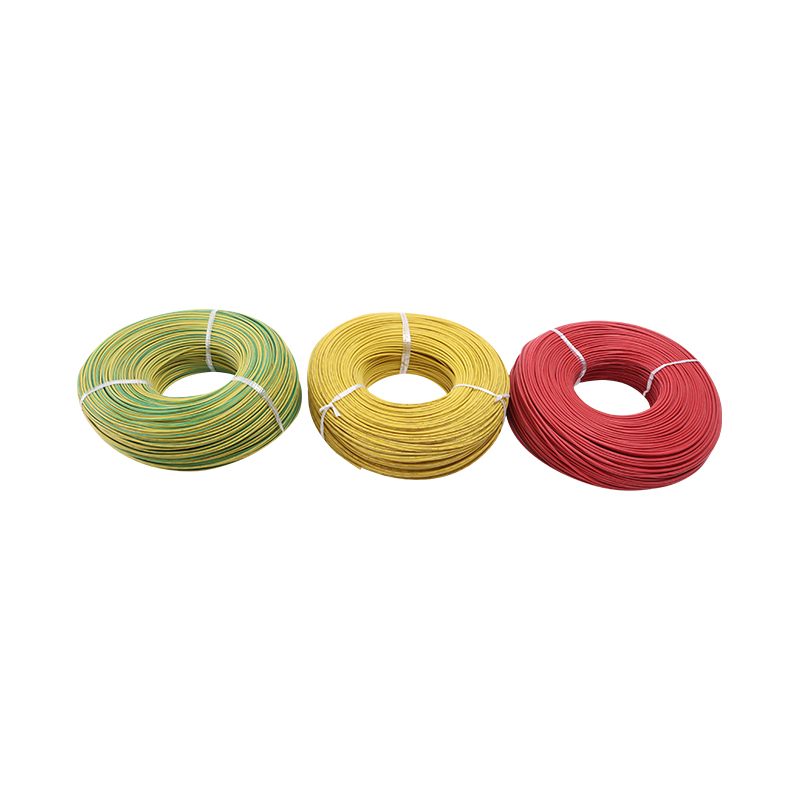 UL3135 Extra Soft Silicone Rubber Lithium Battery Wire 18AWGThe UL3135 Extra Soft Silicone Rubber Lithium Battery Wire (18AWG) is designed for superior safety, flexibility, and high-temperature resistance. Certified under UL758...View Product →
Defining the Technical Specifications
Before contacting a manufacturer, the most important task is to define the performance requirements. The more precise you are, the less trial-and-error you will face. Three areas deserve special attention: conductor and insulation, temperature rating, and mechanical performance.
Conductors and Insulation
The conductor is the heart of the cable. Material and stranding determine current capacity and flexibility. Tinned copper is common in high-temperature and highly humid environments because it resists oxidation and eases soldering. The number of strands influences how easily the cable bends. For a battery connection in a handheld device, an 18AWG extra-soft silicone wire with fine stranding will withstand repeated flexing much better than a solid conduit. Insulation is chosen by balancing dielectric strength, temperature rating, and resistance to chemicals. Silicone rubber provides outstanding heat resistance and flexibility. Fluoroplastic (PTFE) offers a higher temperature ceiling but can be more rigid. Cross-linked polyethylene (XLPE) is often the cost-effective option for 125°C to 150°C applications.
Temperature Ratings
Temperature is the first variable that kills a cable. Every insulation material has a continuous operating temperature, and exceeding it can cause hardening, cracking, and short circuits. PVC is common but typically limited to 105°C. Silicone rubber continuous ratings usually go to 150°C or 180°C. PTFE can handle up to 200°C. Choose the rating with a margin, not exactly at the maximum of your application. If your product's most challenging point is 130°C, a 150°C-rated material is safer than a 105°C one. Referring to a high temperature wire selection guide can also help you compare these options before you commit.
| Insulation Material | Continuous Rating | Key Characteristics | Common Uses |
|---|---|---|---|
| PVC | 80-105°C | Low cost, good chemical resistance, less flexible at low temperature | Internal wiring, control cables, appliances |
| Silicone Rubber | 150-200°C | Highly flexible, good heat and moisture resistance, soft | Heating appliances, battery cables, motor leads |
| XLPE (Irradiated) | 125-150°C | Good electrical properties, heat resistance, easy to strip | Power cords, motor leads, equipment wiring |
| PTFE | 180-200°C | Excellent temperature resistance and dielectric strength, less flexible | High-temperature electronic wiring, sensor cables |
Flexibility and Mechanical Performance
Flexibility is a common source of mismatch between drawing and reality. A cable that is too stiff makes assembly difficult and may stress connectors. A cable that is too soft may not hold its shape. Specify the minimum bend radius, the expected number of flex cycles, and whether the cable must pass through a tight opening. The supplier should recommend the conductor stranding and insulation thickness accordingly.
Standards and Certifications
Standards are not decoration. UL listing, VDE approval, CQC certification, or CCC marking define the safety and performance criteria that your final product must meet. If you export to Europe, a VDE-certified silicone wire may be required. If you sell automotive parts, IATF 16949 quality management is often a gate. Clarify which standards apply to your market, and ensure the manufacturer can provide certificates and test reports. A reputable appliance wiring harness manufacturer will maintain a quality system that supports traceability.
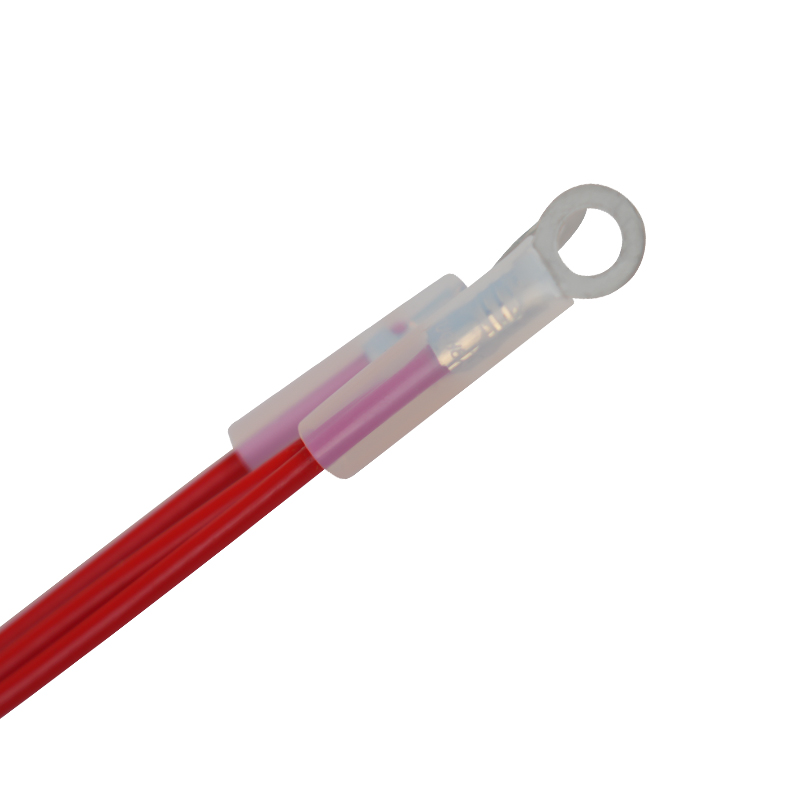 Air Fryer Wiring Air Fryer High Temperature Control HarnessHigh temperature control harness of the air fryer is a key electrical component designed for high temperature cooking environments. It is mainly used to connect heatin...View Product →
How to Evaluate a Custom Cable Manufacturer
After you have a specification, the next step is to evaluate whether the factory can produce it repeatedly. Start with scope and experience. Look at the manufacturer's product range, factory size, equipment, and technical team. A manufacturer with a wide range of insulated wires and harnesses is more likely to understand material interactions and can source components internally. Then review quality system certificates such as ISO 9001 and IATF 16949. These are not guarantees, but they show process discipline.
Second, ask for a sample or a small batch. A sample run is the fastest way to verify all the characteristics you have discussed. Evaluate the sample with your own testing, not just visual inspection. Check conductor resistance, insulation thickness, tensile strength, and withstand voltage. Confirm the sample batch is representative of production.
Third, pay attention to communication. A manufacturer with a real engineering team will ask questions about voltage, current, temperature, and assembly methods. They will not simply take the order and disappear. They should provide suggestions on how to make the cable cheaper or more reliable.
Fourth, discuss supply terms. Minimum order quantity, lead time, packaging, and delivery flexibility are all part of the procurement decision. A manufacturer that offers both custom cables and finished harnesses can reduce your supplier base and simplify quality control.
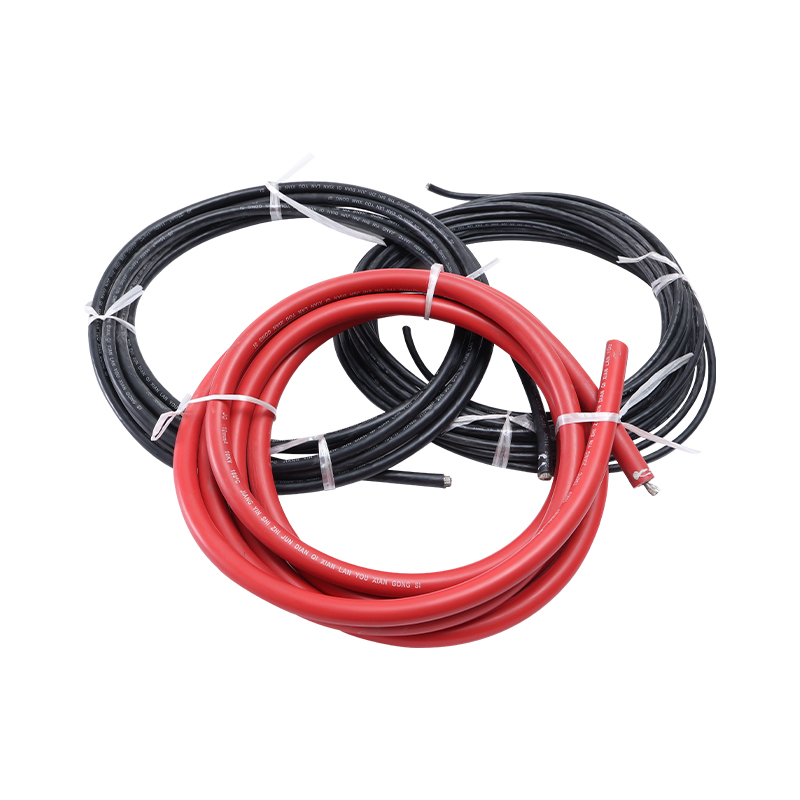 JG1000V Silicone Rubber Motor Winding Lead WireHigh temperature and high voltage resistant silicone rubber motor lead wire is a cable designed for extreme environments, mainly used for electrical connections of mot...View Product →
Common Procurement Mistakes
Even experienced engineers make mistakes when buying custom cables. One of the most common is comparing quotes on material weight alone. A cable with thinner insulation may be cheaper, but it could fail in the field. Another is ignoring tolerances. When a harness is made to a vague drawing, connector positions can vary, leading to assembly interference. Specify tolerances on length, strip length, and crimping dimensions.
Thermal mismatch is another error. A cable rated 150°C is installed next to a 160°C element. A few degrees above the rating can cause premature aging. Always leave a margin.
Compliance gaps are serious. You may trust a manufacturer's word that the product meets RoHS and REACH, but without regular third-party test reports, you cannot be sure. For a home appliance brand, a compliance failure can stop production or trigger a recall. Ask for the latest test reports.
Finally, do not underestimate sample approval. Approving a sample without documenting the specification creates uncertainty for production. Capture every deviation in writing before mass production.
Conclusion
Selecting a custom cable manufacturer is a structured process, not just a purchasing event. Define the application's real thermal, electrical, and mechanical demands. Choose materials that match those demands with a safety margin. Verify that the manufacturer has the right certifications, and test samples before mass production. Communicate your tolerance expectations and supply requirements. A well-chosen partner will help you avoid costly failures and support your product throughout its life cycle. Start with a clear specification, and the rest of the decision becomes much more manageable.