English
 عربى
عربى Español
Content
- 1 Introduction to Silicone Rubber Motor Lead Wire
- 2 What Makes Silicone Rubber Ideal for High-Temperature Performance?
- 3 How Silicone Rubber Motor Lead Wires Perform in Real-World Applications
- 4 Comparison with Other Materials
- 5 Conclusion: Why Choose Silicone Rubber for High-Temperature Motor Lead Wires?
Introduction to Silicone Rubber Motor Lead Wire
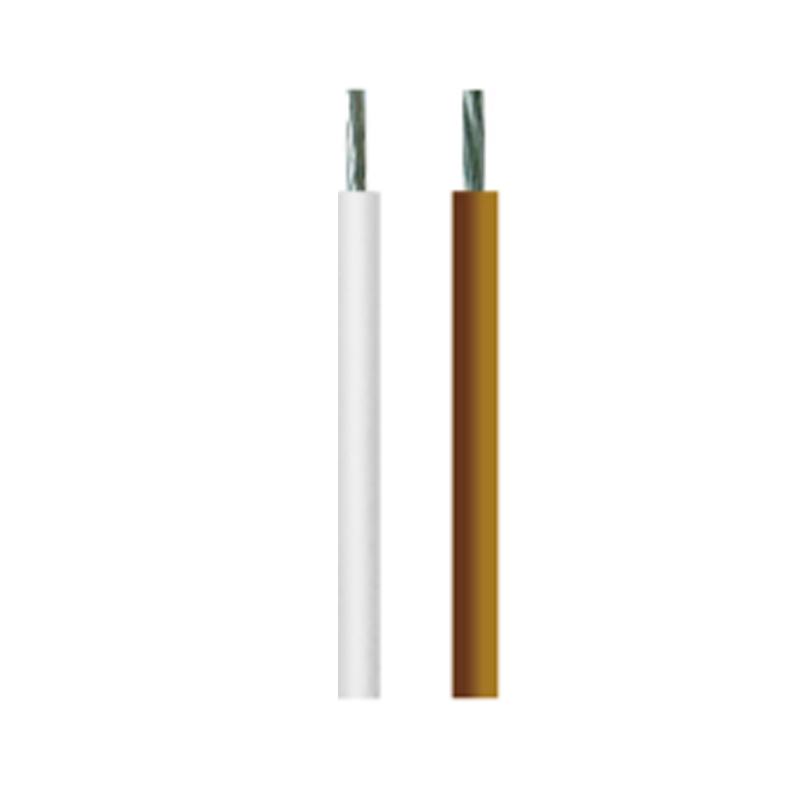
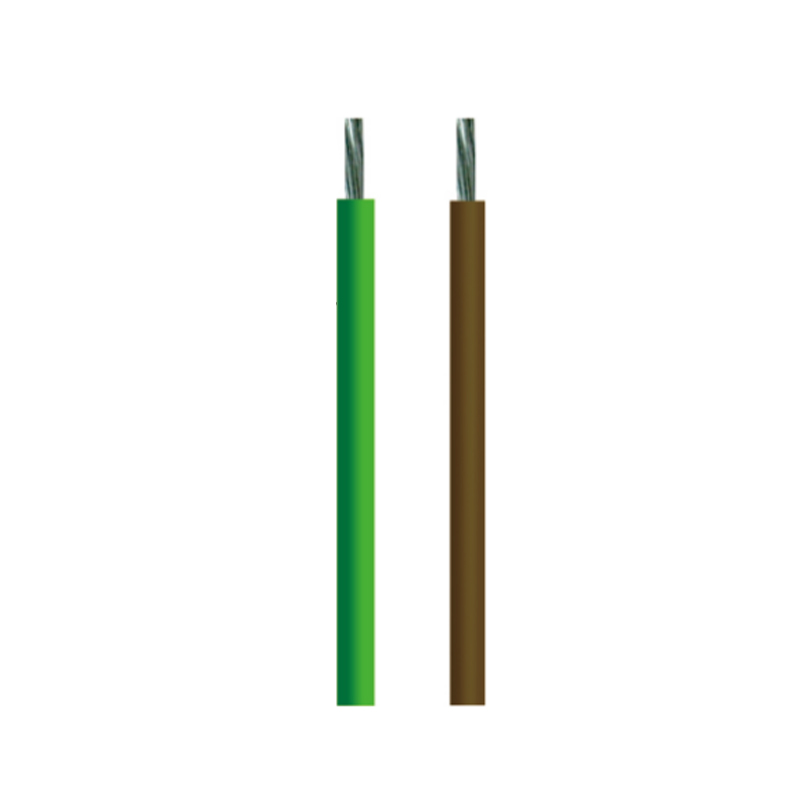
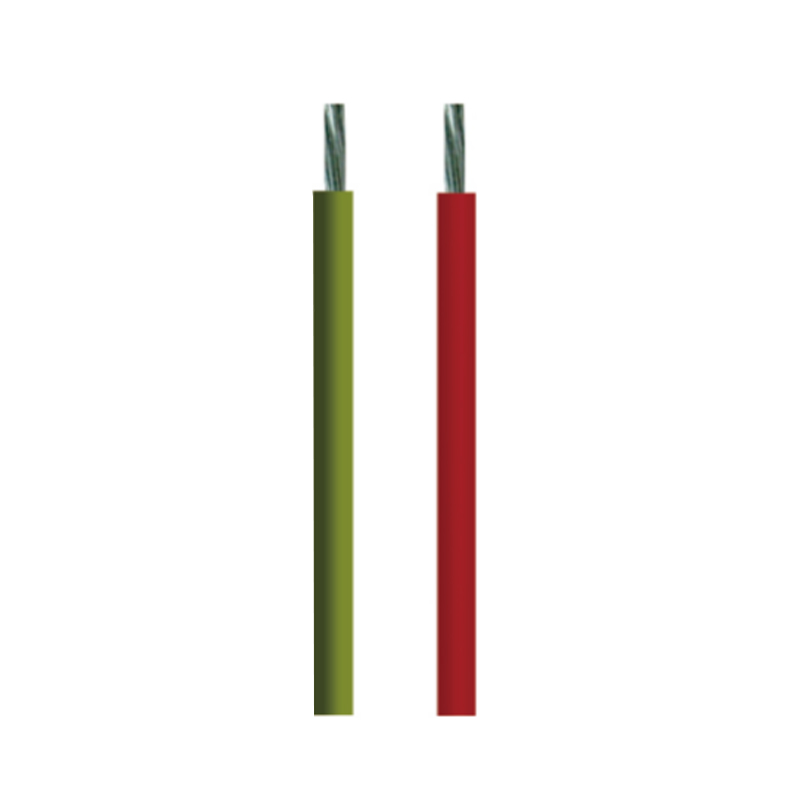
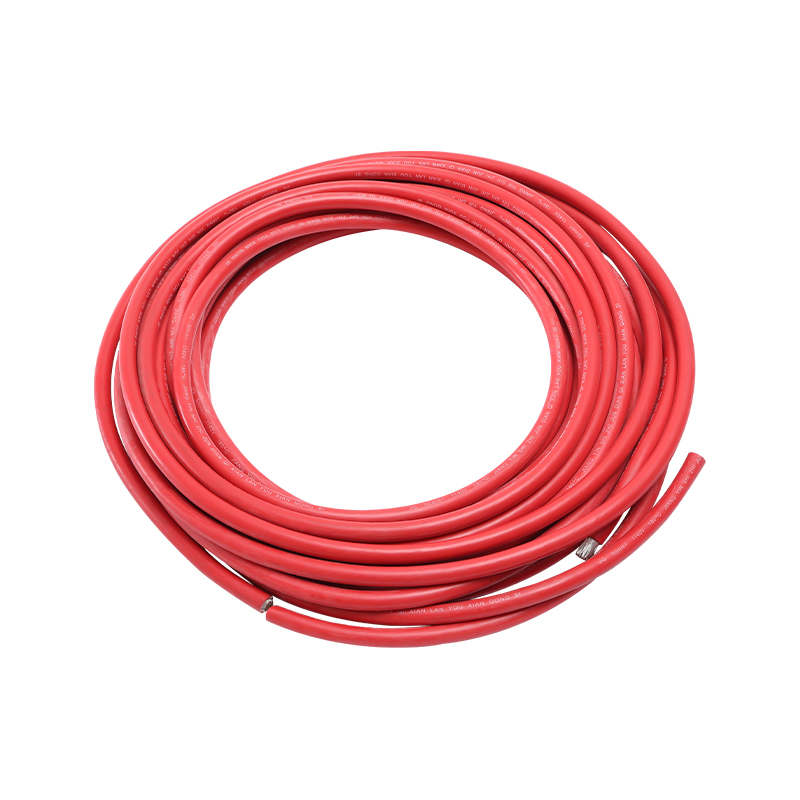
Silicone rubber motor lead wires are integral components in a wide range of electrical systems, particularly in motors that require high-performance wiring solutions. These wires are designed to withstand harsh conditions, such as high temperatures, extreme humidity, and mechanical stress. In this article, we will explore how silicone rubber motor lead wires perform under high-temperature conditions, highlighting their benefits, applications, and how they compare to other types of wires.
What Makes Silicone Rubber Ideal for High-Temperature Performance?
Silicone rubber is a highly versatile material known for its exceptional thermal stability. It retains its properties even at high temperatures, making it an ideal choice for motor lead wires exposed to intense heat. The unique chemical structure of silicone rubber allows it to maintain flexibility and elasticity over a wide range of temperatures. Silicone rubber can handle continuous operating temperatures from -60°C to +200°C, with short-term exposure to even higher temperatures.
Thermal Stability of Silicone Rubber
One of the primary reasons silicone rubber is used in motor lead wires is its remarkable ability to resist degradation under heat. Unlike other materials, such as PVC or polyethylene, which may melt or lose their structural integrity at higher temperatures, silicone maintains its shape and flexibility, ensuring reliable electrical conductivity in extreme environments. This property is critical in motors that generate significant heat, especially in industrial applications.
Advantages of High-Temperature Resistance
- Silicone rubber motor lead wires maintain electrical insulation properties at high temperatures.
- Resists thermal aging and maintains performance over long periods of exposure to heat.
- Reduces the risk of wire failure due to heat-related insulation breakdown.
- Improves the lifespan of the motor and associated components by preventing heat-related wear and tear.
How Silicone Rubber Motor Lead Wires Perform in Real-World Applications
In real-world applications, motor lead wires are exposed to high temperatures due to motor operation and environmental factors. Silicone rubber’s performance in these situations is crucial for the reliability and efficiency of the electrical system. Whether it's in automotive, industrial, or household appliances, silicone rubber wires offer several key benefits that help ensure long-lasting performance.
Automotive and Industrial Applications
In automotive and industrial environments, motors are often exposed to extreme temperatures due to engine operation or machinery heat. Silicone rubber motor lead wires help ensure that motors continue to function effectively without overheating. These wires are commonly used in applications such as:
- Electric vehicle motors
- Industrial machinery
- HVAC systems
- Generators and power equipment
Household Appliances
Silicone rubber motor lead wires are also widely used in household appliances, such as refrigerators, washing machines, and air conditioners. These devices often operate in environments with fluctuating temperatures, and the durability of silicone rubber ensures that the motor leads will continue to perform optimally. Silicone’s ability to resist degradation over time makes it the go-to choice for high-temperature appliances.
Comparison with Other Materials
While silicone rubber offers exceptional high-temperature performance, it is important to compare it with other materials used in motor lead wires to understand its advantages fully. Common alternatives include PVC, PTFE, and polyurethane. Each of these materials has its strengths and weaknesses when exposed to high temperatures.
PVC vs. Silicone Rubber
PVC is a widely used material in wire insulation but does not perform well under high temperatures. Typically, PVC can withstand temperatures up to 80°C-105°C before it starts to degrade, which makes it less suitable for high-performance motors operating at elevated temperatures. In contrast, silicone rubber can withstand much higher temperatures, making it the superior choice for heat-intensive applications.
PTFE vs. Silicone Rubber
PTFE (polytetrafluoroethylene) is another high-performance material known for its excellent thermal stability, withstanding temperatures up to 260°C. However, PTFE can be more expensive and less flexible than silicone rubber. While PTFE offers excellent temperature resistance, silicone rubber provides a balance of high temperature tolerance, flexibility, and cost-effectiveness, making it more practical for many industrial applications.
Polyurethane vs. Silicone Rubber
Polyurethane offers good temperature resistance and is flexible but does not match silicone’s performance at high temperatures. Silicone rubber is generally more stable, providing a more durable solution in applications requiring consistent performance in extreme conditions.
Conclusion: Why Choose Silicone Rubber for High-Temperature Motor Lead Wires?
Silicone rubber motor lead wires are the ideal choice for high-temperature applications due to their superior thermal stability, flexibility, and long-term reliability. Whether used in automotive, industrial, or household applications, silicone rubber ensures that the motor lead wires maintain their insulating properties and remain functional in extreme conditions. With a wide temperature tolerance and durability, silicone rubber provides a solution that other materials, such as PVC, PTFE, and polyurethane, cannot match in high-heat environments.
For industries that rely on high-performance motors, selecting the right material for lead wires is critical. Silicone rubber’s high-temperature resistance not only protects against thermal degradation but also enhances the longevity and efficiency of the equipment, making it a smart choice for a wide range of applications.