English
 عربى
عربى Español
Content
- 1 Why motorcycle wiring harness health matters
- 2 Design and selection: start with the right harness
- 3 Routing and mechanical protection to avoid abrasion and stress
- 4 Connector selection, termination, and sealing
- 5 Protecting against moisture, corrosion, and salt spray
- 6 Thermal management: keep heat from degrading the harness
- 7 Electrical protection: fuses, relays, and grounding
- 8 Vibration and movement: minimizing fatigue failures
- 9 Testing, inspection, and preventative maintenance
- 10 Quick reference: common harness faults and preventive remedies
- 11 Installation and modification best practices
- 12 Conclusion: a systematic approach prevents most problems
Why motorcycle wiring harness health matters
A motorcycle wiring harness is the nervous system of the bike: it carries power, signals, and ground returns to lights, ignition, charging, sensors, and accessories. Failures in the harness can cause intermittent faults, no-start conditions, blown fuses, or even fire. Preventing electrical problems starts with understanding common failure mechanisms — abrasion, heat, vibration, moisture ingress, poor connections, and incorrect modifications — and applying targeted practices to eliminate those risks before they appear.
Design and selection: start with the right harness
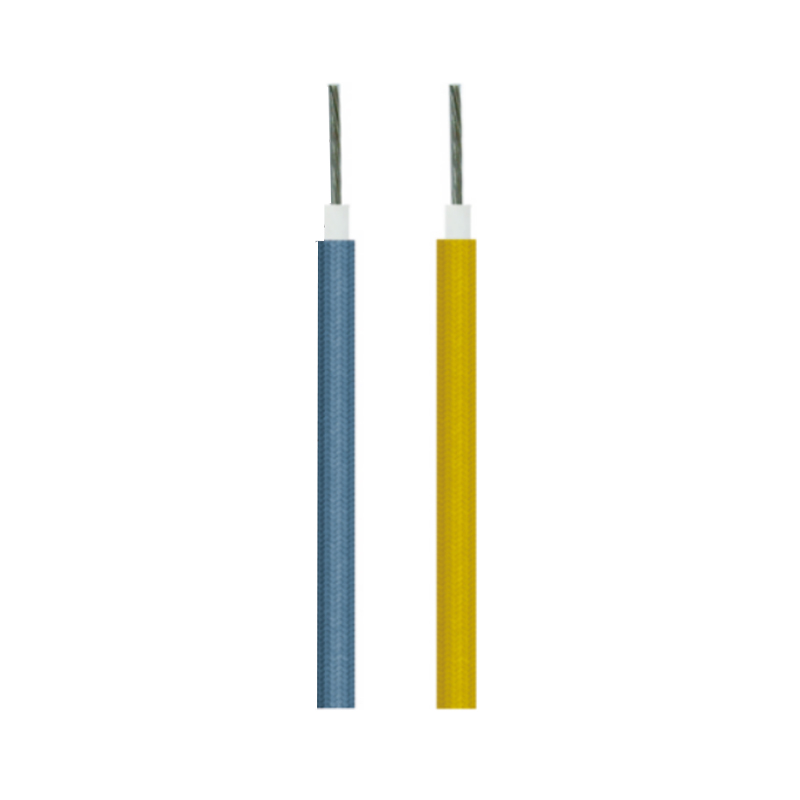
Prevention starts at design. Whether you buy an OEM harness, a high-quality aftermarket harness, or build a custom one, make sure conductor sizes, insulation types, and connector ratings match the electrical loads and the environment. Undersized wires overheat and degrade insulation; low-quality insulation swells or cracks with heat and chemicals. When choosing or specifying a harness, check wire AWG for key circuits (starter, charging, lights), insulation temperature rating (at least 105°C for hot engines), and IP or sealing ratings for connectors used in exposed locations.
Practical selection rules
- Use correct AWG: thicker wire for high-current circuits (e.g., starter, horn, heated grips).
- Prefer cross-linked polyethylene or XLPE/PVC blends for high-temp applications.
- Choose sealed connectors (IP67/IP68) for exposed, wet, or salty environments.
Routing and mechanical protection to avoid abrasion and stress
Correct routing avoids chafing against sharp edges, hot surfaces, or moving parts. Harnesses should follow stable frame paths, be clamped at controlled intervals, and avoid tight bends. Mechanical protection such as convoluted split loom, spiral wrap, or braided sleeving reduces wear and simplifies maintenance. Use protective grommets at any pass-through where the harness crosses metal or bulkheads.
Best routing practices
- Keep harness away from exhaust headers and exhaust pipes; maintain clearance for heat expansion.
- Bundle wires logically by function (lighting, charging, ignition) and secure with UV-resistant tie-wraps.
- Avoid routing across sharp frame edges; use rubber grommets where wires pass through metal panels.
Connector selection, termination, and sealing
Connectors and terminations are the most common failure points. High-quality crimp terminals done with the correct tooling are more reliable than soldered joints on flexible wires because solder creates a rigid point that can fracture under vibration. Use connectors rated for the expected current and environmental exposure. Where liquids, salt, or road grime are present, use sealed connectors or apply additional sealing with heat-shrink and adhesive-lined sleeves.
Crimping, soldering, and sealing tips
- Always crimp with the correct die set and a calibrated crimper; inspect crimps for proper compression and wire retention.
- If soldering is required (e.g., for signal wires), service-relieve the joint with heat-shrink tubing and support to prevent flexing at the solder transition.
- Use adhesive-lined heat-shrink for sealed splices and connectors in exposed locations.
Protecting against moisture, corrosion, and salt spray
Moisture and corrosive salts attack contacts and metal terminals, causing high-resistance joints and intermittent faults. Preventive measures include sealed connectors, dielectric grease, corrosion-resistant terminals, and routing that avoids pooling water. For bikes used in coastal regions or for winter riding with road salt, increased sealing and periodic corrosion checks are essential.
Key moisture control measures
- Apply a thin film of dielectric grease to connector pins before mating to exclude moisture and prevent corrosion.
- Use stainless steel or tin-plated terminals; avoid bare copper in exposed locations.
- Install drain paths or small breather holes (where appropriate) to prevent trapped water in enclosures.
Thermal management: keep heat from degrading the harness
Heat from the engine and exhaust shortens insulation life and accelerates oxidation of terminals. Use heat shields, route harnesses away from high-temperature zones, and select high-temperature-rated wires where proximity to heat is unavoidable. Consider heat-resistant sleeving and reflective tape when harnesses must pass near hot components.
Heat protection techniques
- Install aluminized heat shields between the harness and headers or mufflers.
- Use PTFE or fiberglass sleeving in high-temperature areas.
- Inspect insulation for softening, cracking, or discoloration during routine maintenance.
Electrical protection: fuses, relays, and grounding
Circuit protection prevents wiring from overheating when shorted. Use properly rated fuses near the battery for each circuit and relays to handle high-current loads, minimizing the current a single run of wiring must carry. Ground connections should be robust and to clean, painted-free metal surfaces. Poor grounds create high resistance that manifests as dim lights, sluggish starters, or sensor errors.
Practical protection recommendations
- Place a main fuse near the battery positive terminal to protect primary wiring.
- Use relays for fan circuits, lighting, and other heavy loads so switch wiring carries only control currents.
- Ensure ground straps are bolted to bare metal and periodically checked for tightness and corrosion.
Vibration and movement: minimizing fatigue failures
Motorcycles are vibration-heavy machines. Repeated flexing and vibration lead to conductor fatigue, connector backing out, and chafing. Use flexible stranded wire, service loops to absorb movement, and secure harnesses with clamps instead of brittle plastic ties alone. Avoid routing across pivot points such as suspension links or handlebars without flexible sections.
Anti-vibration tactics
- Use high-strand-count wire for flexibility and fatigue resistance.
- Create gentle service loops near connectors to prevent tension on terminals.
- Use cushioned clamps or rubber-lined clips where the harness is clamped to the frame.
Testing, inspection, and preventative maintenance
Routine checks catch developing issues early. Incorporate visual inspection, continuity tests, voltage drop checks, and connector inspections in your maintenance schedule. For critical circuits, perform load tests while measuring voltage drop to detect hidden high-resistance joints.
Maintenance checklist
- Visually inspect harness routing, insulation, and mounting points every 3–6 months.
- Check connectors for corrosion and tightness; reapply dielectric grease as needed.
- Measure battery voltage at the connector under load to detect voltage drop.
- Replace damaged sections with proper wire and terminals rather than patching with tape.
Quick reference: common harness faults and preventive remedies
| Common Fault | Cause | Preventive Measure |
| Intermittent lights | Corroded connector or loose ground | Seal connectors, clean ground, secure bolts |
| Blown fuses | Short circuit or undersized wire | Inspect for shorts, use proper AWG, provide fusing |
| Starter slow / no cranking | Voltage drop at terminals | Clean/tighten battery and starter connections |
| Wire insulation failure | Heat or abrasion | Re-route away from heat, add sleeving |
Installation and modification best practices
Any modification to the harness must follow documented wiring diagrams and use quality components. Label new circuits, protect splices with heat-shrink adhesive, and always fuse new loads at the battery. When retrofitting accessories, route their power through relays controlled by the ignition switch to prevent parasitic drain and overloaded switches.
Conclusion: a systematic approach prevents most problems
Most motorcycle wiring harness problems are avoidable with a combination of correct material selection, thoughtful routing, mechanical and environmental protection, correct terminations, and routine inspection. Invest time in proper installation and use proven materials and methods — that small upfront investment saves hours of troubleshooting and reduces the risk of roadside failures. Keep a simple maintenance checklist and treat the harness as a critical system: prevention is far easier and safer than cure.