English
 عربى
عربى Español
Content
- 1 Why Are Internal Connection Wires Important in Home Appliances?
- 2 What Types of Wires Are Used Inside Home Appliances?
- 3 What Materials Are Used for Insulation?
- 4 How Are Internal Connection Wires Installed?
- 5 What Are the Safety Standards for Internal Wires?
- 6 How to Maintain and Inspect Internal Wires?
- 7 Conclusion: Why Internal Connection Wires Matter
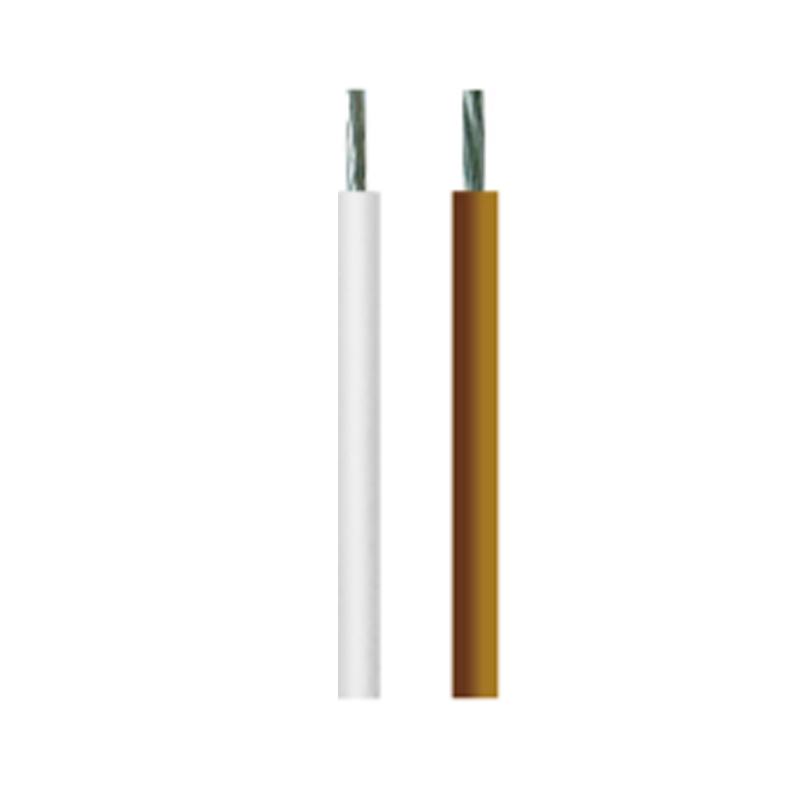
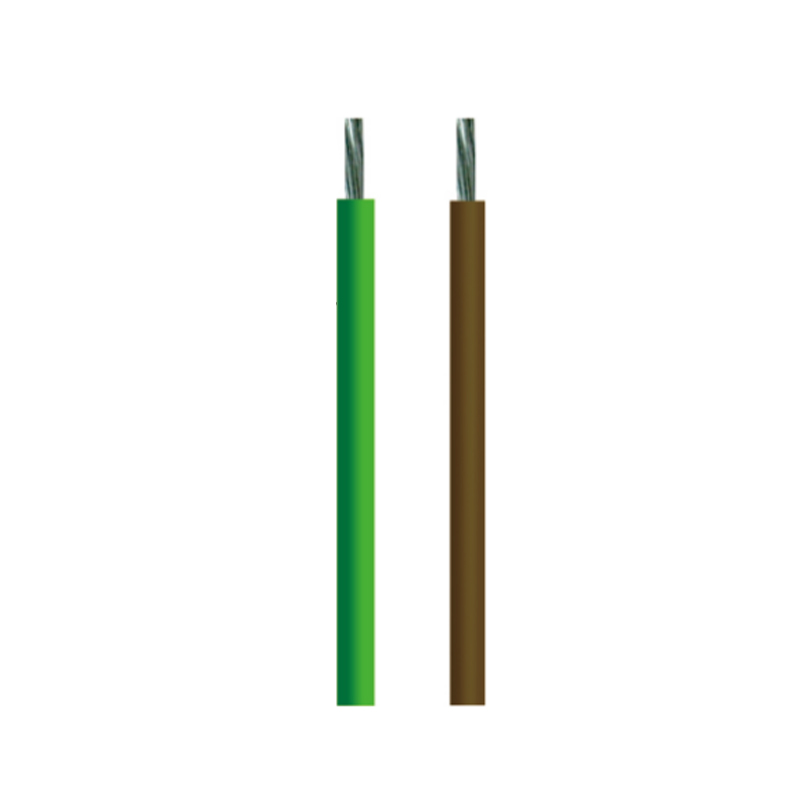
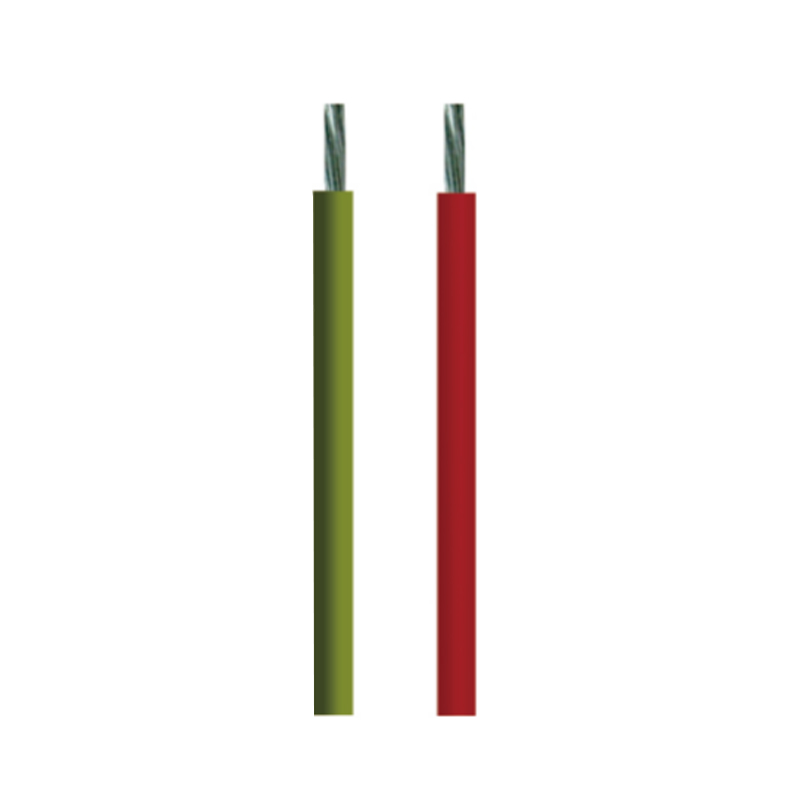
Internal connection wires in home appliances are specialized electrical wires designed to connect various internal components such as motors, switches, sensors, heating elements, and control circuits. These wires are critical for the safe and efficient operation of appliances, ensuring that electrical energy is transmitted reliably while preventing short circuits, overheating, or electrical failure.
Why Are Internal Connection Wires Important in Home Appliances?
The performance and safety of home appliances largely depend on the quality and suitability of internal connection wires. They provide:
- Reliable electrical connectivity between components.
- Protection against overheating and electrical faults.
- Flexibility to withstand mechanical movement and vibration inside appliances.
- Durability to endure high temperatures and long-term use.
What Types of Wires Are Used Inside Home Appliances?
Internal connection wires are selected based on appliance design, voltage and current requirements, and environmental conditions. Common types include:
Copper Wires
Copper wires are widely used due to their excellent electrical conductivity and flexibility. They are suitable for low- and medium-current applications and can handle repeated bending without breaking.
Tinned Copper Wires
Tinned copper wires offer corrosion resistance, making them ideal for appliances exposed to humidity or moisture, such as refrigerators and washing machines.
Multi-Strand Wires
Multi-strand wires are composed of several small strands twisted together. They provide flexibility and are commonly used for moving parts, such as blender motors or washing machine agitators.
High-Temperature Wires
These wires are coated with heat-resistant insulation to withstand high temperatures generated by heating elements in ovens, kettles, and dryers. They prevent insulation melting and electrical hazards.
What Materials Are Used for Insulation?
Insulation is crucial for safety and durability. Common materials include:
- PVC (Polyvinyl Chloride): Affordable, flexible, and flame-retardant; widely used in standard appliances.
- PTFE (Teflon): High heat resistance and chemical stability; suitable for high-temperature applications.
- Silicone Rubber: Excellent thermal flexibility, often used in ovens, hair dryers, and coffee machines.
- Fiberglass: Used in specialty wires for extreme temperatures and industrial appliances.
How Are Internal Connection Wires Installed?
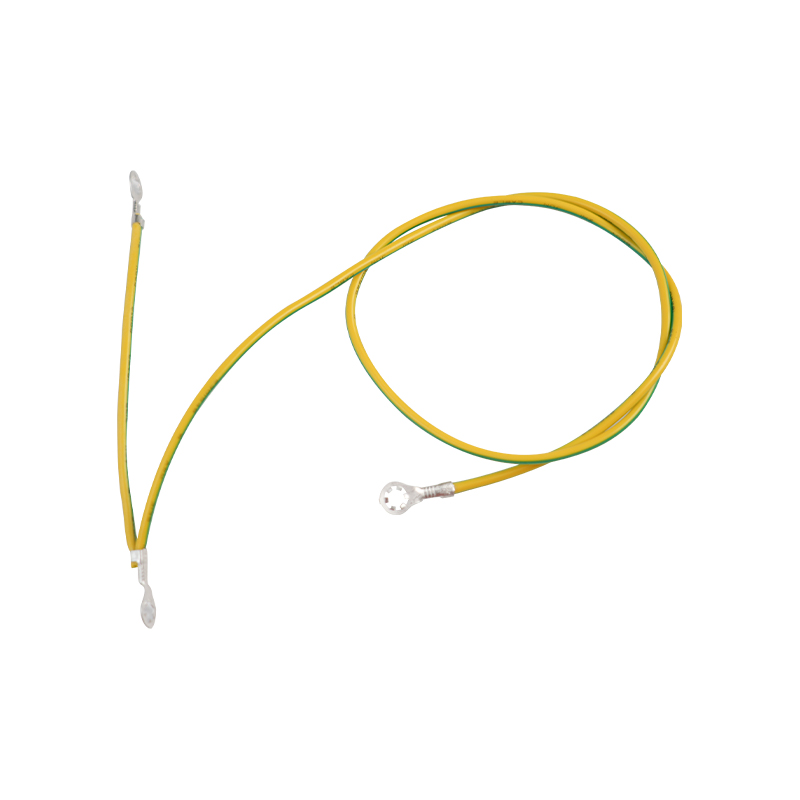
Installation of internal wires requires careful routing to avoid interference, wear, or short circuits. Techniques include:
- Bundling with cable ties or clips to secure wires in place.
- Using color-coded insulation to identify circuits easily.
- Routing away from heat sources and moving components to prevent damage.
- Connecting with reliable terminals, soldering, or crimping for electrical integrity.
What Are the Safety Standards for Internal Wires?
Compliance with safety standards is essential to prevent electrical hazards. Some key standards include:
| Standard | Requirement |
| UL (Underwriters Laboratories) | Certification for electrical safety and insulation quality. |
| IEC (International Electrotechnical Commission) | Global standard for wire performance, heat, and fire resistance. |
| RoHS (Restriction of Hazardous Substances) | Limits hazardous materials such as lead and mercury in wires. |
| CSA (Canadian Standards Association) | Ensures safety for Canadian appliance market. |
How to Maintain and Inspect Internal Wires?
Proper maintenance ensures appliance safety and longevity. Recommended practices include:
- Regular visual inspection for frayed insulation or discoloration.
- Checking for loose connections or terminals inside appliances.
- Replacing damaged wires immediately with ones matching original specifications.
- Keeping appliances clean to prevent dust buildup on wires, which can affect insulation and heat dissipation.
Conclusion: Why Internal Connection Wires Matter
Internal connection wires are the lifeline of home appliances. Choosing high-quality wires, using appropriate insulation, adhering to installation best practices, and maintaining them regularly are essential for safe, efficient, and long-lasting appliance performance. Understanding wire types, properties, and standards helps manufacturers and consumers ensure appliances operate reliably under everyday conditions.