English
 عربى
عربى Español
Content
- 1 Understanding What a Silicone Soft Installation Line Is
- 2 Identify Your Application Requirements First
- 3 Evaluate Silicone Material Properties
- 4 Choose the Right Profile Shape and Dimensions
- 5 Consider Installation Method and Ease of Assembly
- 6 Assess Environmental and Operating Conditions
- 7 Compliance, Safety, and Industry Standards
- 8 Customization and Supplier Capabilities
- 9 Balancing Performance, Cost, and Longevity
- 10 Conclusion: Making the Right Choice
Understanding What a Silicone Soft Installation Line Is
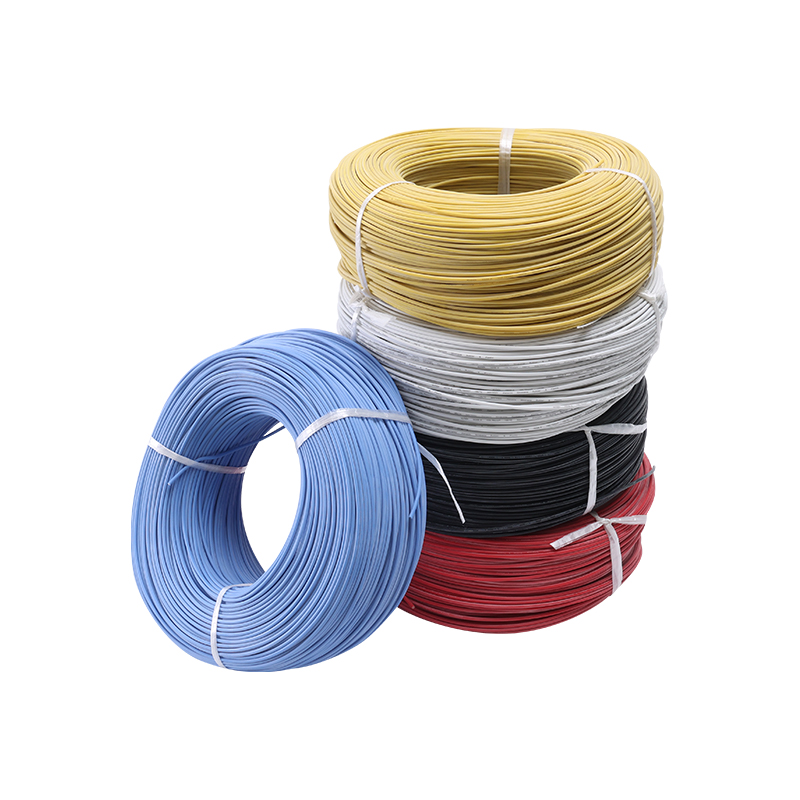
A silicone soft installation line refers to flexible silicone-based profiles, strips, or cords designed for easy installation in sealing, cushioning, edge protection, or assembly applications. These lines are widely used in industries such as automotive, construction, electronics, appliances, and industrial equipment. Their softness, elasticity, and durability allow them to adapt to complex geometries while maintaining reliable performance over long service cycles.
Choosing the right silicone soft installation line is not just about selecting a flexible material. It involves evaluating operating conditions, mechanical requirements, installation methods, and long-term performance expectations. A mismatch can lead to premature wear, poor sealing, or installation inefficiencies.
Identify Your Application Requirements First
The first step in selecting a silicone soft installation line is clearly defining its function within the application. Silicone profiles are used for different purposes, and each purpose places unique demands on material properties and design.
Common Application Scenarios
- Sealing against air, water, or dust ingress
- Cushioning and vibration damping
- Edge protection for glass or metal panels
- Soft-touch decorative or functional trim
Understanding whether the line is load-bearing, purely protective, or primarily aesthetic helps narrow down suitable material grades and profile structures.
Evaluate Silicone Material Properties
Silicone rubber offers a wide range of formulations, each tailored to specific performance needs. Selecting the right material composition directly affects durability, flexibility, and environmental resistance.
Key Material Characteristics to Consider
- Hardness (Shore A) for compression and softness balance
- Tensile strength and elongation for repeated deformation
- Temperature resistance for hot or cold environments
- Chemical and UV resistance for outdoor or industrial use
For example, a soft installation line used near engines or heating components requires high-temperature stability, while outdoor architectural applications demand excellent UV and ozone resistance.
Choose the Right Profile Shape and Dimensions
The profile geometry of a silicone soft installation line determines how it fits, seals, and performs. Profiles can be solid, hollow, co-extruded, or reinforced depending on functional needs.
Typical Profile Options
- Solid silicone strips for stability and durability
- Hollow profiles for improved compression and sealing
- U-shaped or edge-grip profiles for panels and glass
- Custom-shaped extrusions for specialized assemblies
Accurate dimensioning ensures proper fit without excessive compression, which can shorten service life or complicate installation.
Consider Installation Method and Ease of Assembly
Installation conditions significantly influence product selection. A silicone soft installation line should match the assembly process to reduce labor time and minimize errors.
Installation Factors to Assess
- Manual versus automated installation
- Need for adhesives, clips, or mechanical fixation
- Tolerance for stretching or bending during assembly
For high-volume production lines, profiles designed for snap-in or push-fit installation can significantly improve efficiency and consistency.
Assess Environmental and Operating Conditions
Environmental exposure directly affects the lifespan of silicone soft installation lines. Conditions such as heat, moisture, chemicals, and mechanical stress must be considered early in the selection process.
Typical Environmental Challenges
- Extreme temperature fluctuations
- Exposure to oils, fuels, or cleaning agents
- Continuous vibration or dynamic movement
Silicone is inherently resistant to many harsh conditions, but specialized formulations may be required for demanding environments.
Compliance, Safety, and Industry Standards
Certain applications require compliance with industry or regulatory standards. Selecting a silicone soft installation line that meets these requirements ensures product safety and market acceptance.
| Industry | Key Requirement | Silicone Feature Needed |
| Automotive | Heat & aging resistance | High-temp silicone |
| Electronics | Insulation & softness | Low-durometer silicone |
| Construction | Weather resistance | UV-stable silicone |
Customization and Supplier Capabilities
Many applications benefit from custom silicone soft installation lines. Working with suppliers that offer custom extrusion, color matching, and co-extrusion options allows better integration with product design.
Evaluating supplier experience, quality control systems, and technical support is just as important as evaluating the product itself. Reliable suppliers can assist with prototyping, testing, and ongoing optimization.
Balancing Performance, Cost, and Longevity
The lowest-cost silicone soft installation line may not deliver the best value over time. Premature failure can lead to downtime, rework, or warranty claims. Selecting a solution that balances initial cost with durability and performance ensures long-term efficiency.
Conclusion: Making the Right Choice
Choosing the right silicone soft installation line requires a structured evaluation of application needs, material properties, profile design, installation methods, and environmental conditions. By focusing on practical performance requirements rather than generic specifications, manufacturers and engineers can select silicone solutions that enhance reliability, simplify installation, and extend product lifespan. A well-chosen silicone soft installation line ultimately delivers both functional excellence and long-term value.