English
 عربى
عربى Español
Content
Introduction to High Voltage Machine Lead Wires
High voltage machine lead wires are specialized cables designed to carry high electrical currents between power sources and industrial machinery or laboratory equipment. These wires are essential in applications such as power generators, transformers, testing machines, and industrial automation systems. Due to the high voltage they carry, improper handling or installation can lead to severe safety hazards, equipment damage, and operational inefficiency.
Understanding High Voltage Lead Wire Construction
The construction of high voltage machine lead wires directly affects their performance and safety. Key components include:
- Conductor Material: Typically made of high-purity copper or aluminum to ensure excellent conductivity and minimal resistance.
- Insulation Layer: High-grade insulating materials like silicone, PVC, or cross-linked polyethylene (XLPE) protect against electrical breakdown and thermal stress.
- Shielding: Metal or foil shielding reduces electromagnetic interference and ensures signal integrity in sensitive equipment.
- Protective Jacket: Outer layers safeguard against mechanical abrasion, chemical exposure, and environmental hazards.
Key Safety Considerations
Using high voltage machine lead wires safely requires a combination of proper equipment selection, installation techniques, and operational protocols.
Proper Voltage and Current Rating
Ensure that the lead wire is rated for the maximum voltage and current of the application. Using a wire below the rated specifications can cause overheating, insulation breakdown, and potential arcing hazards.
Insulation Integrity
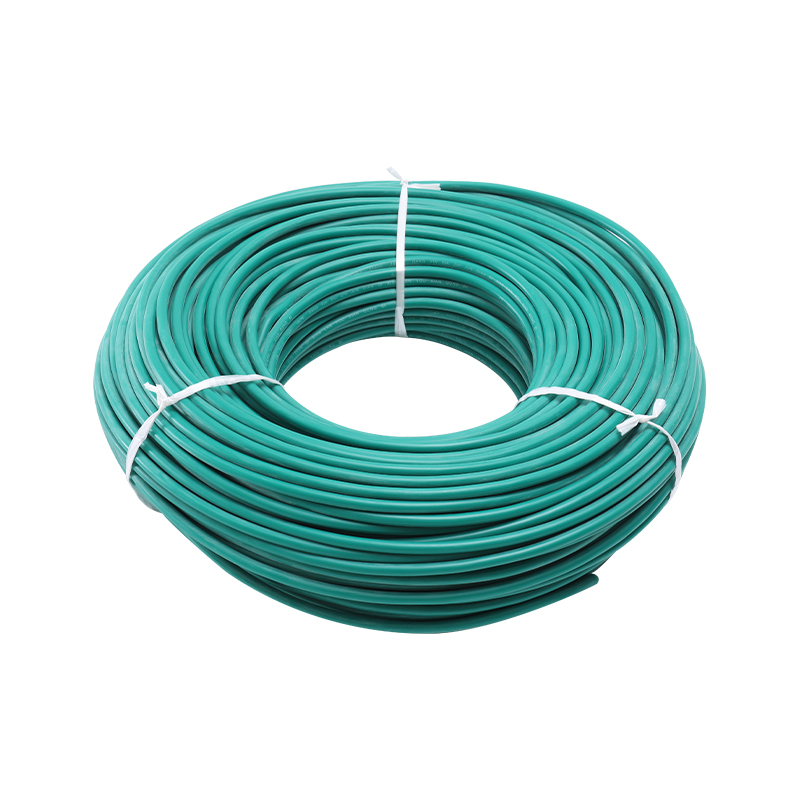
Inspect insulation for any signs of wear, cracking, or chemical degradation before use. Damaged insulation significantly increases the risk of electric shock and short circuits. Regular maintenance checks are essential, especially in high-temperature or corrosive environments.
Secure Connections and Terminations
All connections should be properly crimped, soldered, or fitted with high-voltage connectors. Loose or improper terminations can lead to arcing, sparking, and heat buildup, which may result in fire hazards or equipment failure.
Environmental Considerations
High voltage lead wires should be installed away from water, moisture, chemicals, or excessive heat. Where environmental exposure is unavoidable, protective conduits or enclosures should be used to prevent damage to the wire and insulation.
Handling and Storage
Proper handling reduces the risk of mechanical damage. Avoid kinking, twisting, or sharply bending the wires. Store in a dry, cool place to prevent insulation degradation, and clearly label high voltage cables to prevent accidental contact.
Installation Best Practices
Correct installation procedures enhance safety and extend the lifespan of high voltage lead wires:
- Maintain minimum bend radius to prevent conductor and insulation damage.
- Use insulated clamps and supports to prevent wire sagging and mechanical stress.
- Keep lead wires separated from low voltage lines to reduce electromagnetic interference.
- Ensure proper grounding of shielded wires to protect against electrical surges.
Regular Inspection and Maintenance
Routine checks are critical to prevent accidents and maintain operational efficiency:
- Visual inspection for insulation damage, corrosion, or discoloration.
- Test continuity and resistance to identify potential conductor issues.
- Check connectors and terminals for tightness and corrosion.
- Replace wires that show any signs of mechanical or electrical degradation.
Common Risks and Mitigation
Understanding potential hazards allows proactive safety measures:
- Electric Shock: Ensure personal protective equipment (PPE) is used, and de-energize circuits before handling.
- Overheating: Avoid overloading wires and use temperature-rated insulation.
- Arc Flash: Maintain safe distances and use protective barriers or shields.
- Mechanical Damage: Use cable trays, conduits, or protective sleeves to prevent abrasion and impact damage.
Comparison of Lead Wire Types and Safety Features
The following table summarizes common high voltage lead wire types and their associated safety features:
| Wire Type | Voltage Rating | Insulation Material | Safety Advantages |
| Silicone Insulated | Up to 20kV | Silicone | Flexible, heat-resistant, good dielectric strength |
| XLPE Insulated | Up to 35kV | Cross-linked polyethylene | High thermal and chemical resistance |
| PVC Insulated | Up to 15kV | PVC | Affordable, good mechanical protection, moderate heat resistance |
Conclusion
High voltage machine lead wires are critical components in industrial and laboratory systems. Safety depends on selecting the right wire type, ensuring proper installation, regular inspection, and strict adherence to operational protocols. By understanding and applying key safety considerations—including voltage rating, insulation integrity, environmental protection, and handling practices—operators can minimize risk, prevent accidents, and maintain reliable high-voltage operations.