English
 عربى
عربى Español
Content
- 1 Understanding High Voltage Machine Lead Wire
- 2 Key Construction Features of High Voltage Machine Lead Wire
- 3 Common Insulation Materials and Their Properties
- 4 Applications in Industrial Equipment
- 5 How to Select the Right Lead Wire for Your Application
- 6 Installation and Maintenance Best Practices
- 7 Final Considerations
Understanding High Voltage Machine Lead Wire
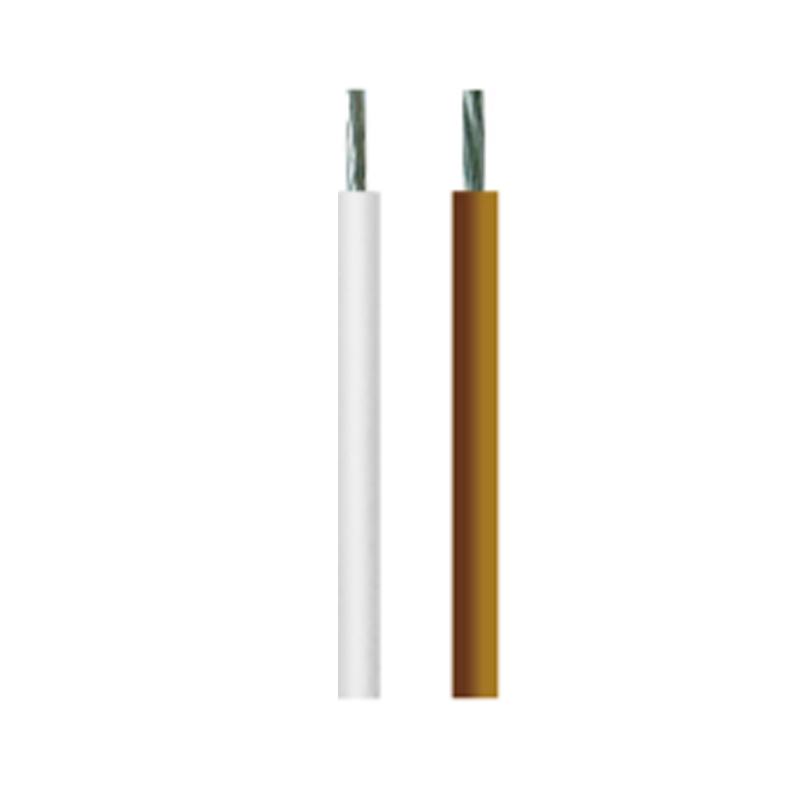
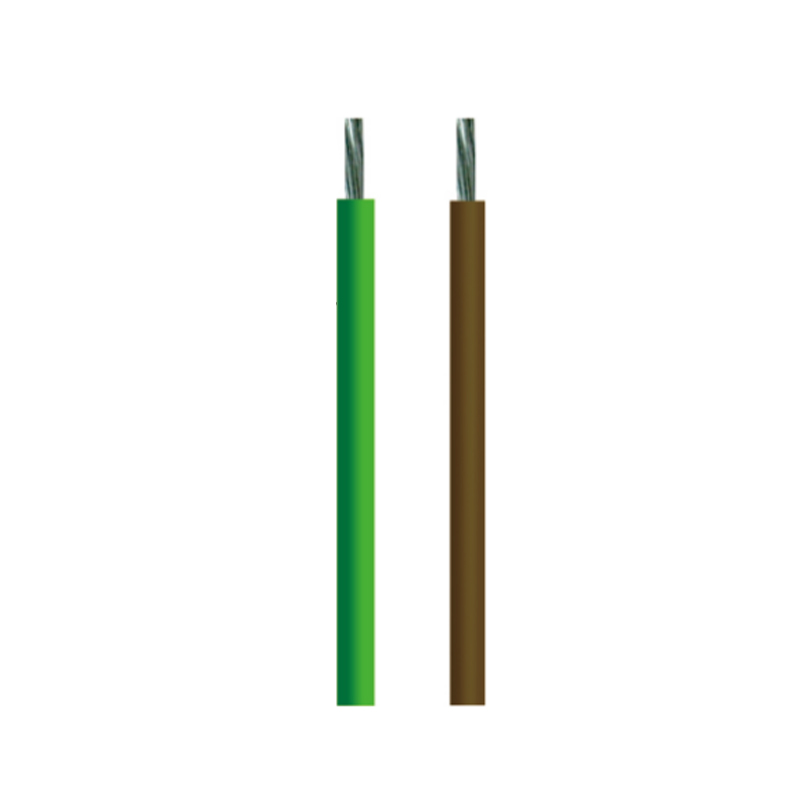
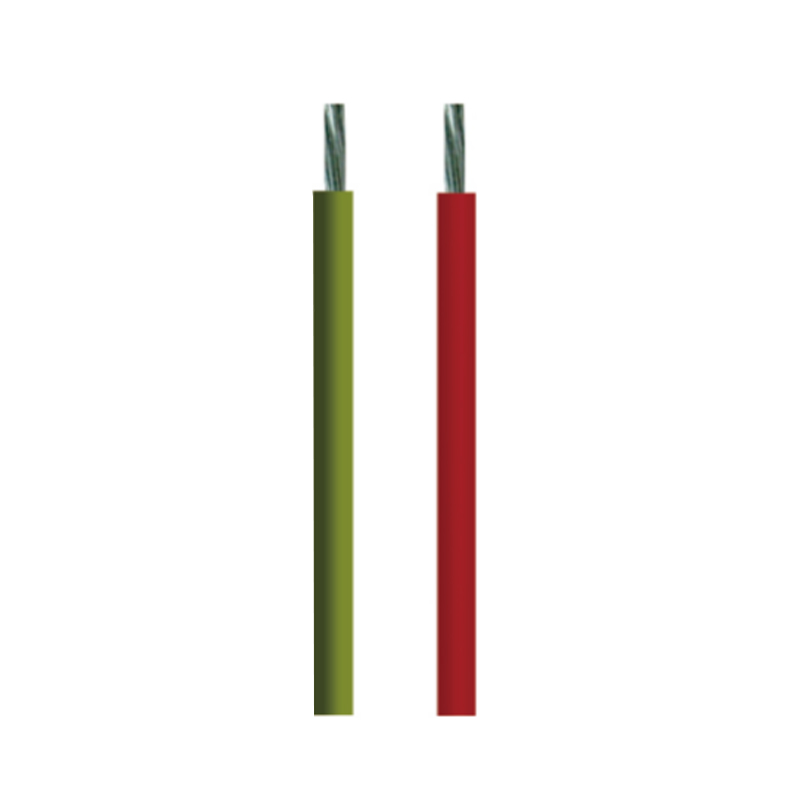
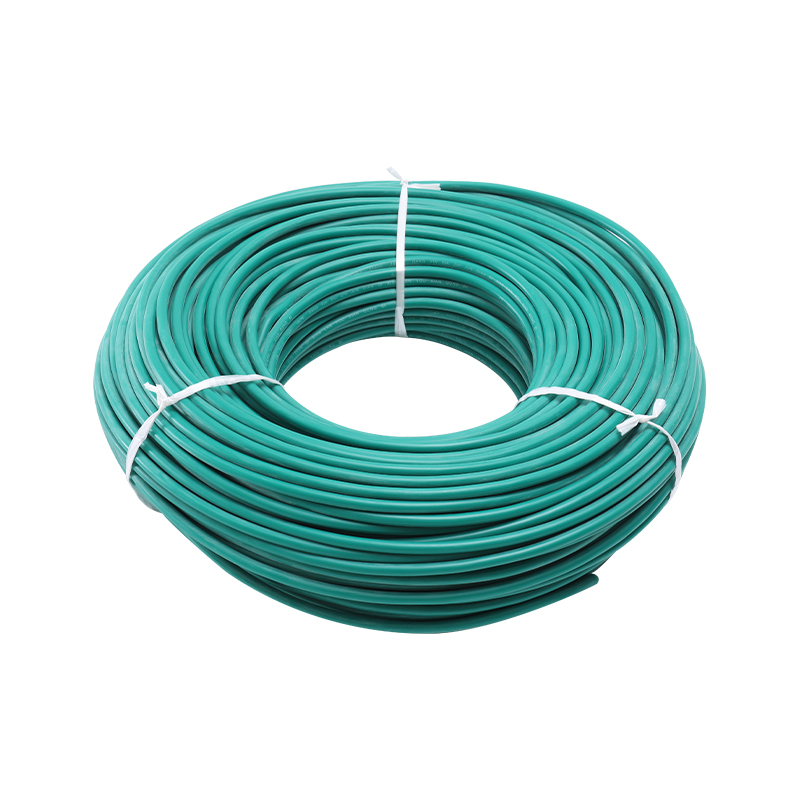
High voltage machine lead wire is a specialized type of electrical wire used to connect internal windings of motors, generators, transformers, and other rotating electrical machinery to external power sources or terminal boxes. Unlike standard building wire, machine lead wire must withstand high thermal stress, mechanical vibration, chemical exposure, and voltage levels that often exceed 5,000 volts. It is engineered with multiple insulation layers, high-temperature ratings, and flexible stranded conductors that allow it to be routed through tight spaces inside industrial equipment without cracking or degrading over time.
The wire typically consists of a tinned or bare copper conductor, a primary insulation layer made from materials such as ETFE, PTFE, or silicone rubber, and an outer braid or jacket that provides mechanical protection and resistance to oil, ozone, and abrasion. Because these wires operate in environments with extreme heat and voltage stress, manufacturing quality and material selection directly affect the reliability and lifespan of the equipment they serve.
Key Construction Features of High Voltage Machine Lead Wire
Several construction elements distinguish high voltage machine lead wire from general-purpose cables. Each layer serves a specific function in protecting the conductor and maintaining consistent electrical performance under demanding operating conditions.
- Stranded copper conductor for flexibility and reduced skin effect at high frequencies
- Multi-layer insulation system combining polymer film and extruded jacket materials
- High dielectric strength rated for voltages typically between 3kV and 25kV
- Temperature ratings ranging from 150°C to 240°C for continuous operation
- Resistance to corona discharge, ozone, and partial discharge degradation
- Braided or wrapped outer jacket for mechanical protection and abrasion resistance
These features work together to ensure that the wire can handle repeated thermal cycling, mechanical stress from vibration, and exposure to industrial contaminants such as oil, dust, and moisture without losing its insulating properties.
Common Insulation Materials and Their Properties
The choice of insulation material has a major impact on the wire's temperature rating, chemical resistance, and overall durability. Below is a comparison of the most commonly used insulation types in high voltage machine lead wire manufacturing.
| Insulation Type | Max Temp Rating | Key Advantage |
| ETFE | 150°C | High abrasion and chemical resistance |
| PTFE | 200°C | Excellent dielectric strength and heat resistance |
| Silicone Rubber | 180°C | Superior flexibility in cold and hot extremes |
| FEP | 200°C | Smooth surface with low friction coefficient |
Applications in Industrial Equipment
High voltage machine lead wire is used across a wide range of heavy industrial and power generation applications. It is most commonly found inside large rotating machines where internal connections must remain reliable despite constant vibration and thermal cycling.
Motors and Generators
Inside large industrial motors and generators, lead wire connects the stator windings to the terminal box. These connections experience continuous electromagnetic stress and must maintain stable insulation performance to prevent short circuits or ground faults during operation.
Transformers
Transformer lead wires connect internal coil windings to external bushings. Because transformers often operate at elevated voltages, the lead wire must provide reliable dielectric isolation while resisting the effects of oil immersion in many transformer designs.
Power Generation Facilities
In power plants, lead wire is used within turbines, alternators, and switchgear assemblies where consistent performance under high voltage and high temperature conditions is essential for continuous, safe operation.
How to Select the Right Lead Wire for Your Application
Choosing the correct high voltage machine lead wire requires evaluating several technical factors specific to the equipment and operating environment. Selecting the wrong wire type can lead to premature insulation failure, overheating, or costly equipment downtime.
- Determine the operating voltage and required dielectric strength margin
- Assess the maximum ambient and operating temperature inside the equipment
- Consider exposure to oil, moisture, ozone, or chemical contaminants
- Evaluate mechanical requirements such as flexibility and bend radius
- Confirm compliance with relevant industry standards such as UL, CSA, or IEC
Working with a supplier that can provide detailed technical datasheets and certification records helps ensure the selected wire matches both the electrical and mechanical demands of the application.
Installation and Maintenance Best Practices
Proper installation significantly extends the service life of high voltage machine lead wire. Installers should avoid sharp bends that exceed the manufacturer's recommended minimum bend radius, as this can stress the insulation and create weak points prone to failure over time.
Regular inspection is equally important. Technicians should check for signs of insulation cracking, discoloration from overheating, or abrasion damage at points where the wire contacts metal surfaces or moves during equipment operation. Periodic insulation resistance testing, such as megohmmeter testing, can help detect early degradation before it results in an electrical fault.
Proper strain relief and secure termination at connection points also reduce mechanical stress on the wire, preventing conductor fatigue in equipment subject to continuous vibration, such as motors and generators operating at high rotational speeds.
Final Considerations
High voltage machine lead wire plays a critical role in the safe and efficient operation of industrial electrical equipment. Its specialized construction, high-temperature insulation, and resistance to environmental stress make it essential for applications where standard wiring would fail. By understanding the available insulation materials, matching wire specifications to the application, and following proper installation and maintenance practices, engineers and technicians can significantly improve the reliability and longevity of their electrical systems.