English
 عربى
عربى Español
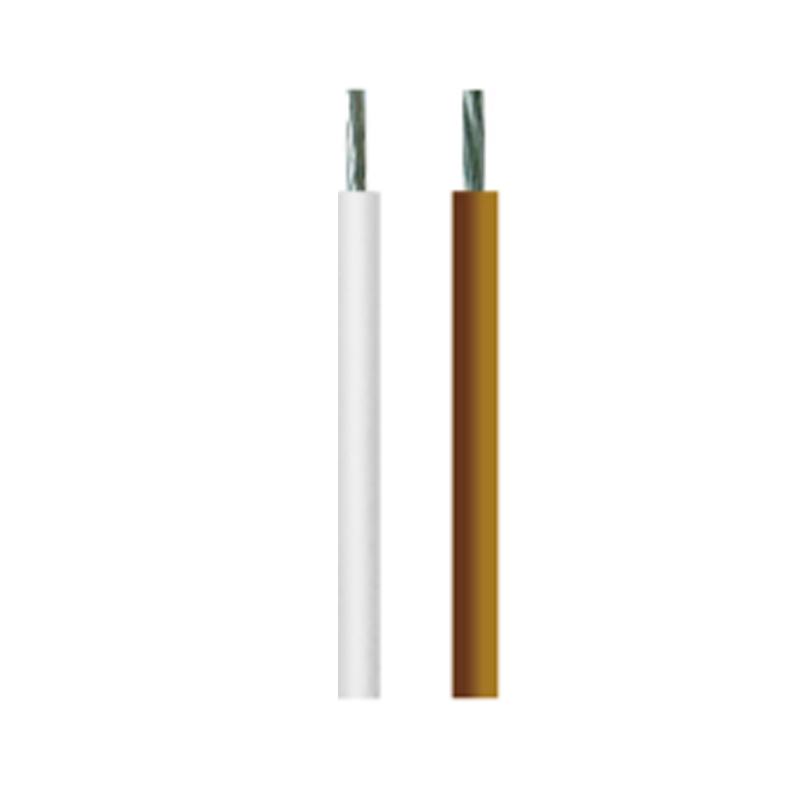
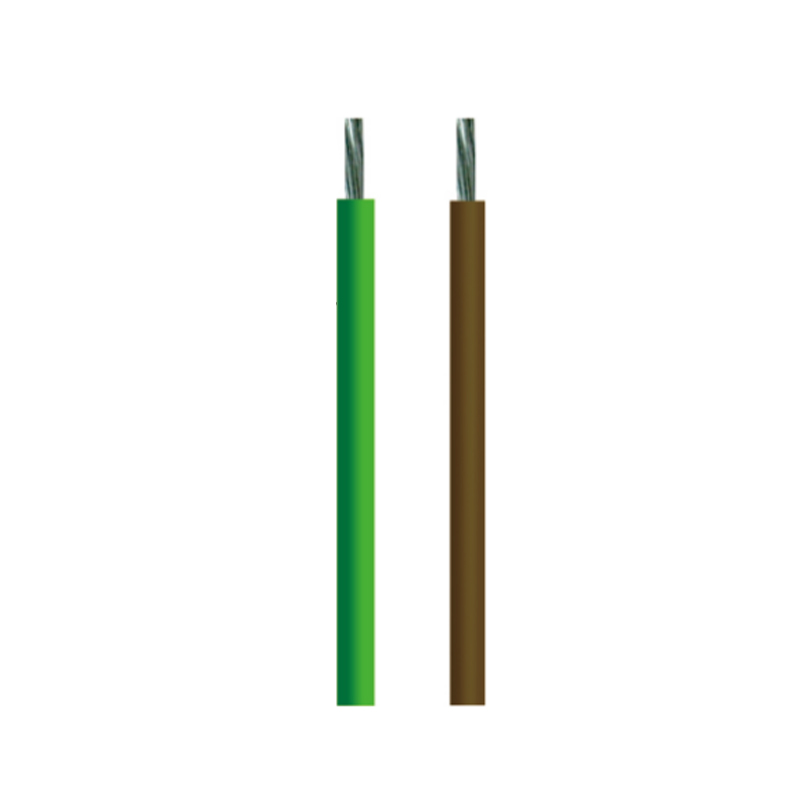
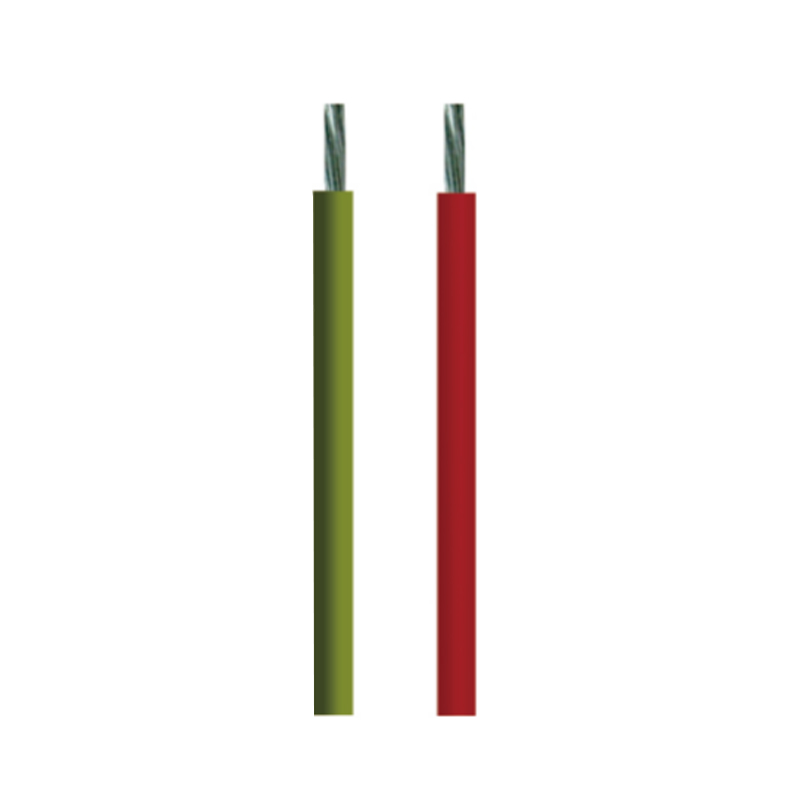
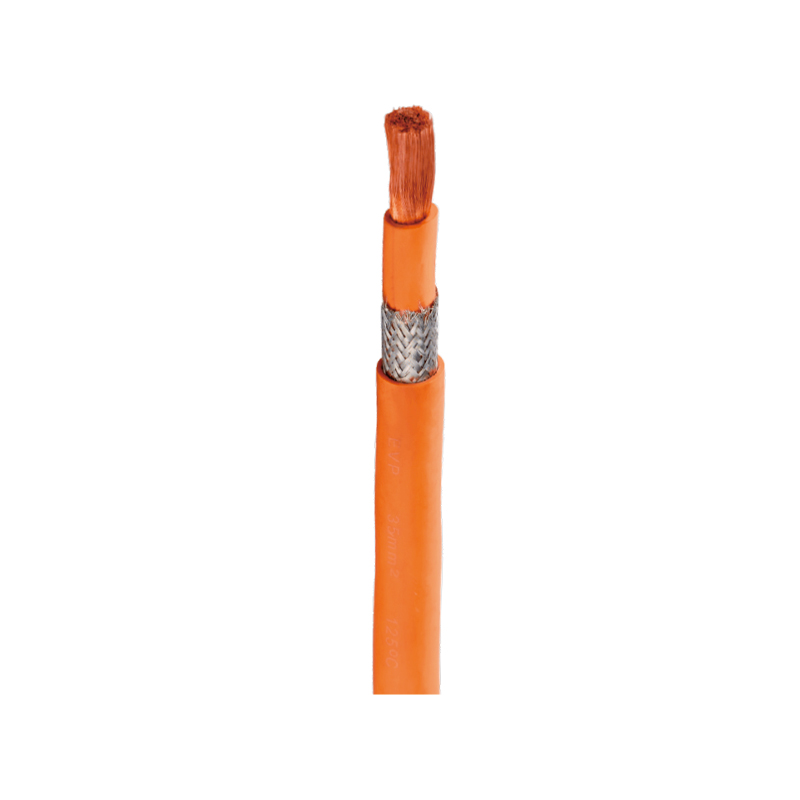
Rated temperature: -40°C~150°CRated voltage: 1500VConductor: bare copperInsulation: 125°C, 150°C thermosetting elastomerBending radius: ≥5xODThe EV/EVP high-vol...
Categories
Featured Products
Automotive Wire Manufacturers
-
-
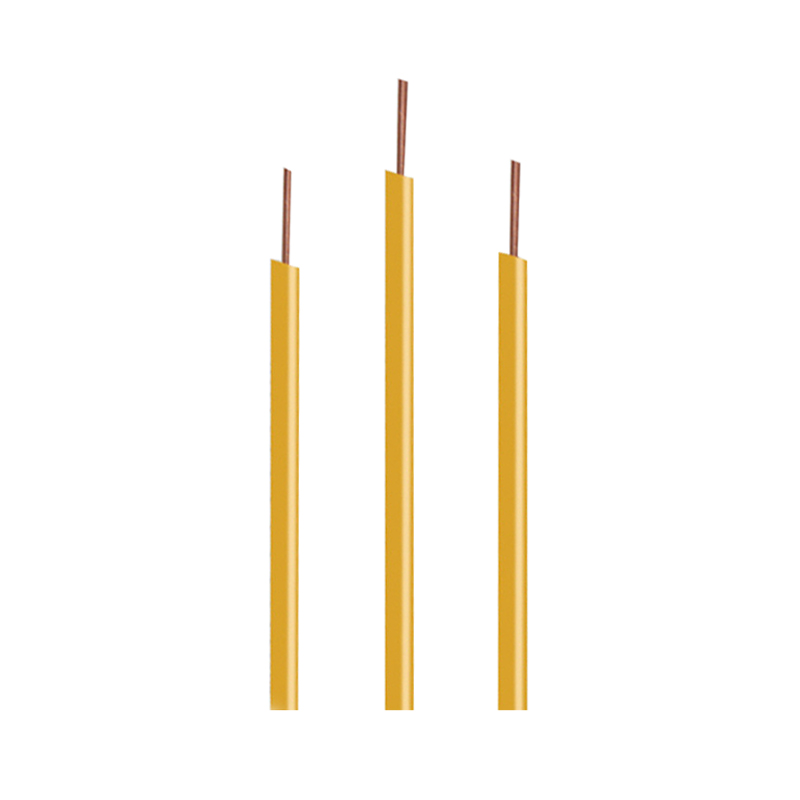 AVX/AEX Japanese Automotive Wire
·Rated Temperature: 100℃/120℃·Conductor: Stranded 0.5~8mm² bare copper·Insulation: XLPVC/XLPE insulation, RoHS compliant·Passes flame retardant test, uses stand...
-
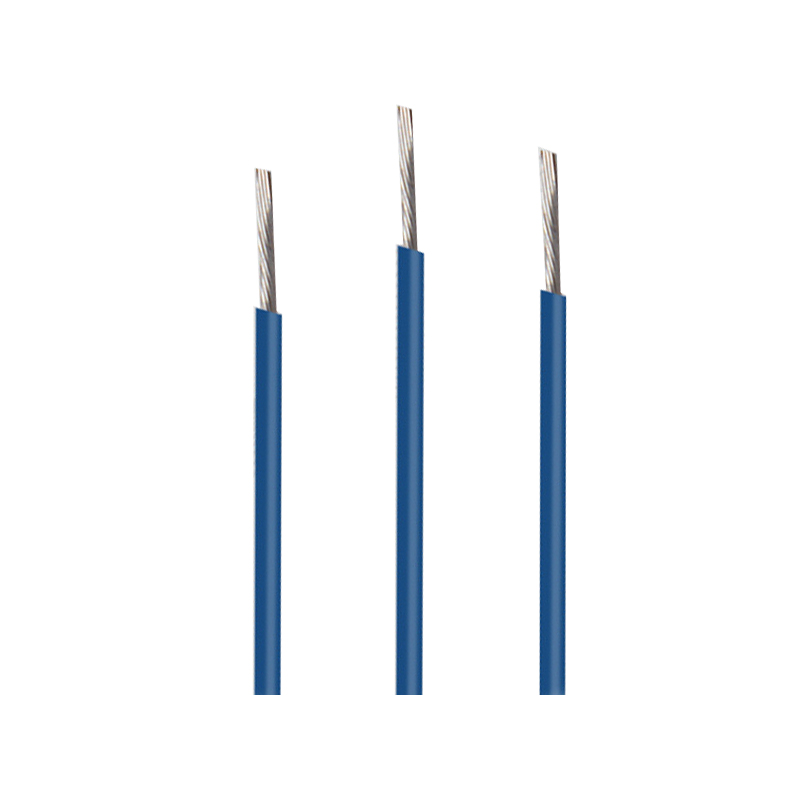 QVR/QVR-105 National Standard Automotive Wire
·Rated Temperature: 70℃/105℃·Conductor: Stranded 0.2~120mm² tin-plated or bare copper·Insulation: PVC insulation, RoHS compliant·Passes flame retardant test, us...
Automotive wiring harnesses are indispensable key components in automotive electrical and electronic systems, primarily used for power transmission, signal control, and data communication. They are widely applied in powertrain systems, body control systems, lighting systems, automotive electronics, sensors, and high-voltage systems in new energy vehicles. High-quality automotive wiring harnesses maintain stable conductivity under complex operating conditions, which is a crucial foundation for ensuring the safety, reliability, and intelligence level of the entire vehicle. For new energy and high-end models, multi-layer shielding structures can also be configured to effectively reduce electromagnetic interference and improve the accuracy of signal transmission.
Any more questions?
Get In Touch
About Us
Jiangyin Zhijun Appliance Electric Cable and Wire Co.,ltd
As China Automotive Wire Manufacturers and Automotive Wire Factory.The company's factory area of nearly 20000 square meters, more than 200 employees, technical team 30 people, with advanced production management equipment and testing instruments, advanced production management system, rigorous quality assurance system and traceability system. Our 20 years focus on research and development, production of silicone rubber series, PVC series, radiation crosslinking series, Teflon series and other kinds of high temperature resistance wire and small home appliances internal wiring harness assembly and molding, widely used in electronics, electrical appliances, lighting, motor, automotive and other industries.
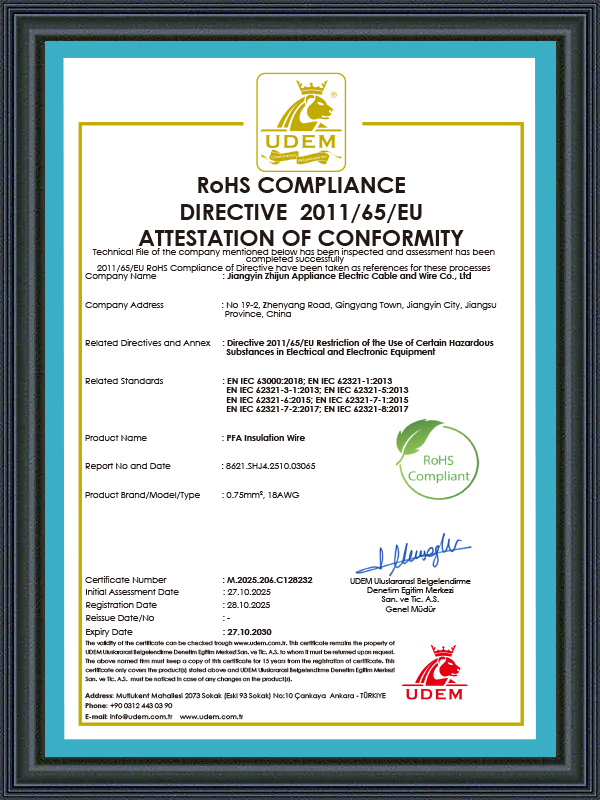
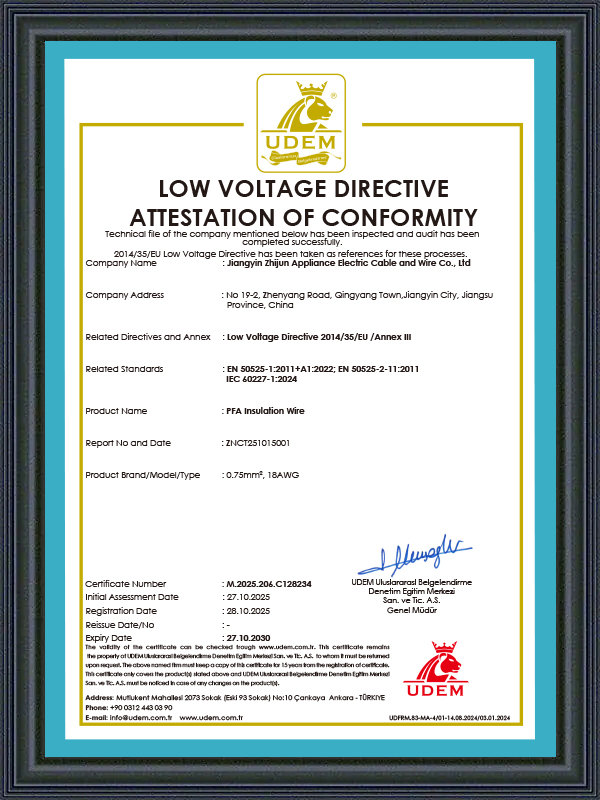
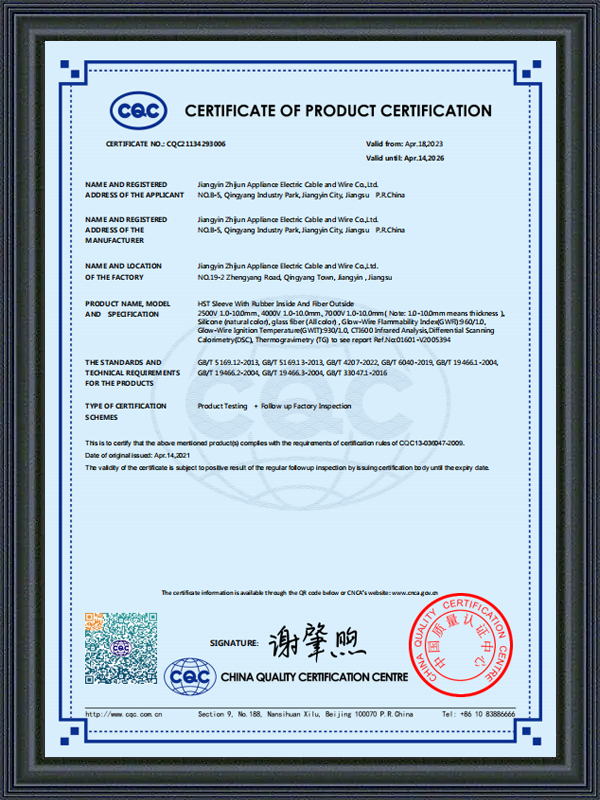
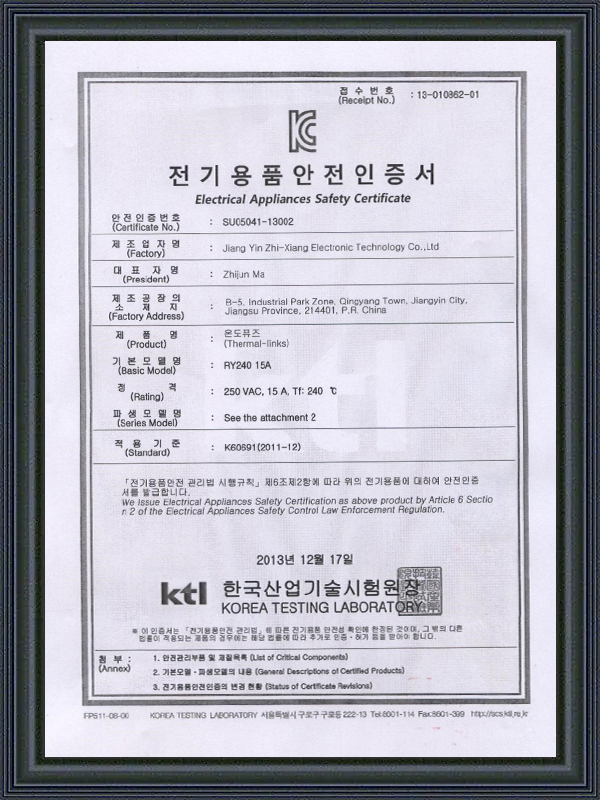
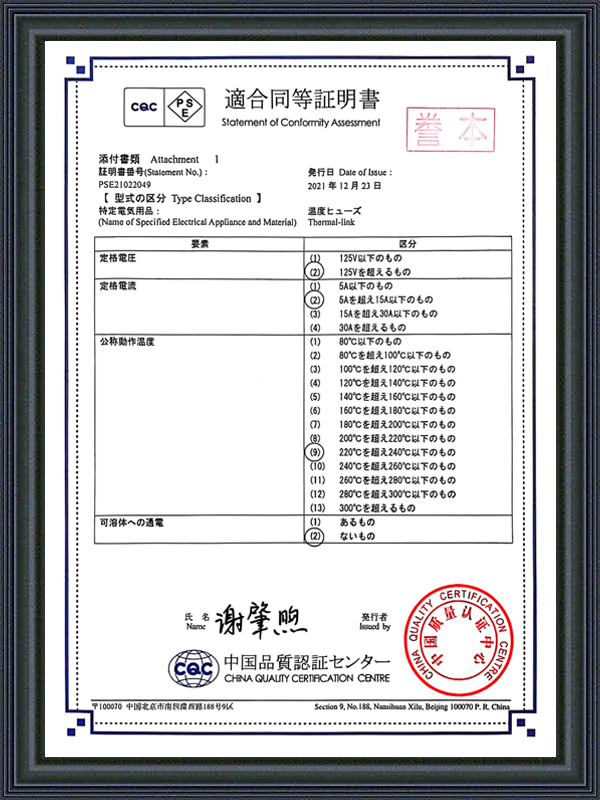
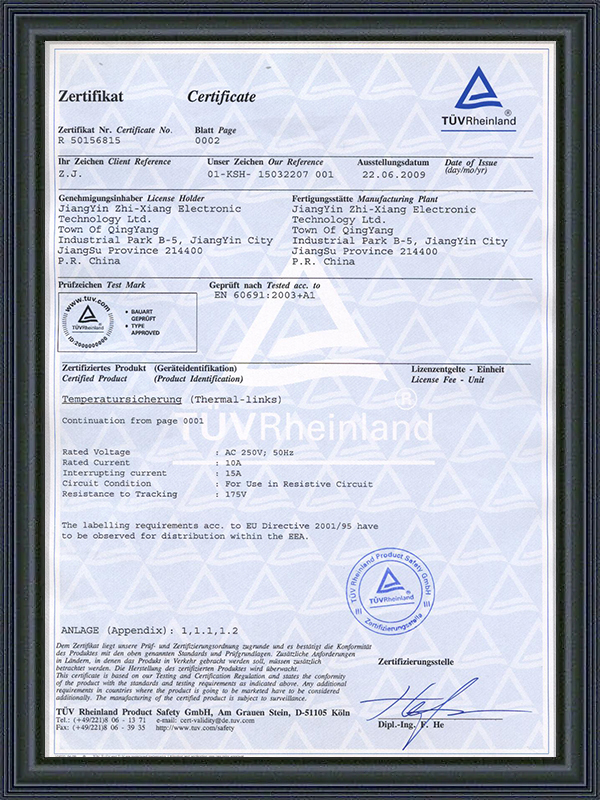
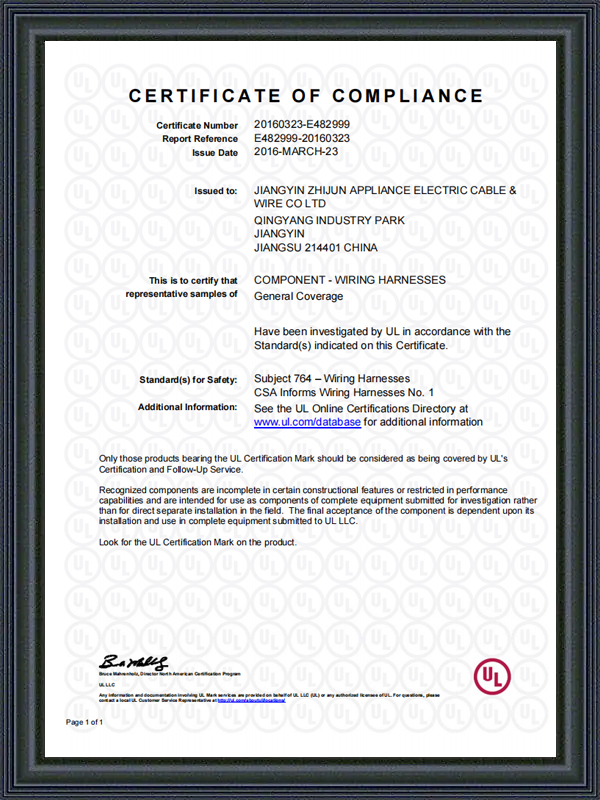
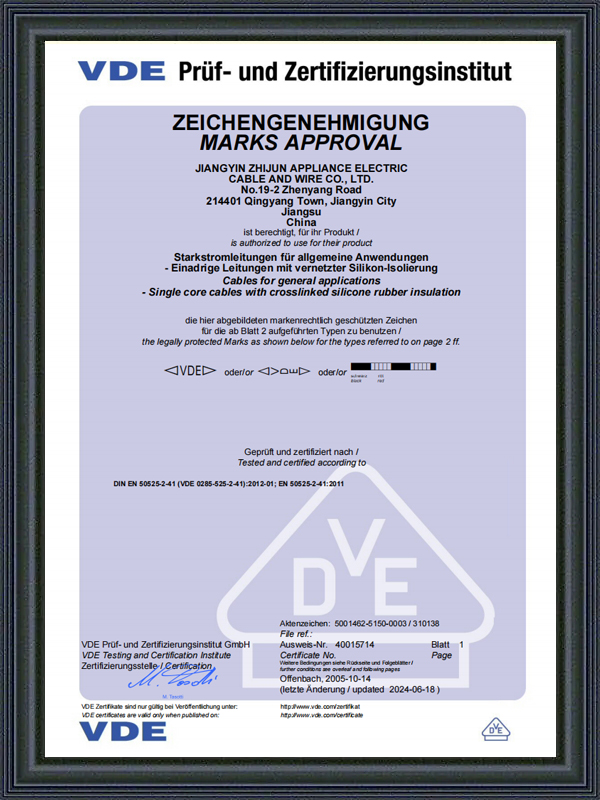
Certificate Of Honor
News
-
Silicone insulated heater wire — encompassing both silicone rubber motor lead wire and silicone heating wire — represents one of the most thermally capable and environmentally resilient electrical wire categories in industrial and commercial applications. Unlike PVC or thermoplastic-insulated wires that degrade, harden...
READ MORE -
Dear colleagues, partners, and friends at home and abroad: As the seasons turn and spring returns, we welcome the promising Year of the Horse in 2026, filled with gratitude and hope. On this joyful occasion of bidding farewell to the old and ushering in the new, on behalf of the company, I would like to extend my since...
READ MORE -
What is a Kitchen Appliances Wiring Harness A kitchen appliances wiring harness serves as the central nervous system of modern home appliances, organizing and protecting multiple electrical connections within a single assembly. This critical component consists of wires, connectors, terminals, and protective materials b...
READ MORE
Automotive Wire Industry knowledge
High-Temperature Automotive Wire Selection in Engine Compartments
In modern vehicles, engine compartments expose automotive wire to continuous high temperatures, oil mist, vibration, and aging stress. Selecting high-temperature wire is not only about the maximum rated temperature but also long-term thermal stability. Silicone rubber and fluoropolymer (such as Teflon) insulated wires are commonly used because they maintain flexibility after prolonged exposure above 150°C. Zhijun Automotive Wire emphasizes compound formulation control to prevent insulation hardening and cracking, which is a frequent failure mode in engine bay wiring.
Another overlooked factor is heat dissipation. Thin-wall, radiation crosslinked insulation can reduce overall wire diameter while maintaining dielectric strength, allowing better airflow and reduced heat accumulation in dense harness layouts.
Radiation Crosslinked Wire and Its Practical Advantages
Radiation crosslinking is widely used in automotive wire to enhance thermal resistance, abrasion resistance, and chemical stability without increasing insulation thickness. Unlike chemical crosslinking, radiation crosslinking produces a more uniform molecular network, improving consistency across large production batches.
- Improved resistance to fuel, lubricants, and brake fluids in chassis wiring.
- Higher cut-through resistance, reducing damage during harness assembly.
- Stable electrical performance under continuous thermal cycling.
Zhijun Automotive Wire integrates radiation crosslinked series into both automotive and small appliance internal wiring, ensuring consistent insulation performance under dynamic mechanical stress.
PVC vs Silicone Rubber Automotive Wire in Interior Applications
While silicone rubber is often associated with high-temperature zones, PVC automotive wire remains widely used in vehicle interiors due to its cost efficiency and stable mechanical properties. However, formulation quality greatly affects PVC performance, especially low-temperature brittleness and plasticizer migration.
| Property | PVC Wire | Silicone Rubber Wire |
| Temperature Range | -40°C to 105°C | -60°C to 200°C |
| Flexibility | Moderate | Excellent |
| Typical Use | Dashboard, lighting | Engine bay, sensors |
Harness Assembly Precision and Electrical Reliability
Automotive wire performance is directly linked to harness assembly quality. Poor crimping, inconsistent stripping length, or insulation deformation can increase contact resistance and accelerate failure. Zhijun Automotive Wire combines wire production with internal wiring harness assembly, reducing mismatch risks between conductor structure and terminal design.
Precision molding of connectors and overmolded joints further improves strain relief, especially in door wiring and moving components where repeated bending is unavoidable.
Traceability Systems in Automotive Wire Manufacturing
As automotive quality standards become stricter, traceability has evolved from a compliance requirement to a practical risk-control tool. By linking raw material batches, extrusion parameters, and test data, manufacturers can quickly isolate issues if abnormal electrical or mechanical performance is detected.
- Batch-level insulation compound tracking to prevent formulation drift.
- Online diameter and eccentricity monitoring during extrusion.
- Electrical and aging test records linked to finished wire reels.
With over 20 years of experience, Jiangyin Zhijun Appliance Electric Cable and Wire Co., Ltd. integrates quality assurance and traceability systems to support stable, long-term supply for automotive and electrical applications.
- Products
- Insulated Wire
- Home Appliances Internal Connection Harness
- Home Wiring Harness Accessories
- High Voltage Machine Lead Wire
- Multicore Cable
- Automotive Wire
- Contact Us
-
-
 +86-400-666-4358
+86-0510-86515890
+86-0510-86515892 -

-
 No. 19-2, Zhenyang Road, Industrial Park, Qingyang Town, Jiangyin City
-
- Social Media